Net zero refers to balancing greenhouse gas emissions with their removal from the atmosphere. A just transition ensures that the shift to a low-carbon economy is fair, protecting workers and communities affected by changes, such as those in fossil fuel industries. Regional policy supports this by tailoring strategies to local needs, fostering new job opportunities, and addressing inequalities, ensuring all regions and populations benefit from the move toward sustainability.
Net zero: just transition and regional policy
Net zero refers to balancing greenhouse gas emissions with their removal from the atmosphere. A just transition ensures that the shift to a low-carbon economy is fair, protecting workers and communities affected by changes, such as those in fossil fuel industries. Regional policy supports this by tailoring strategies to local needs, fostering new job opportunities, and addressing inequalities, ensuring all regions and populations benefit from the move toward sustainability.
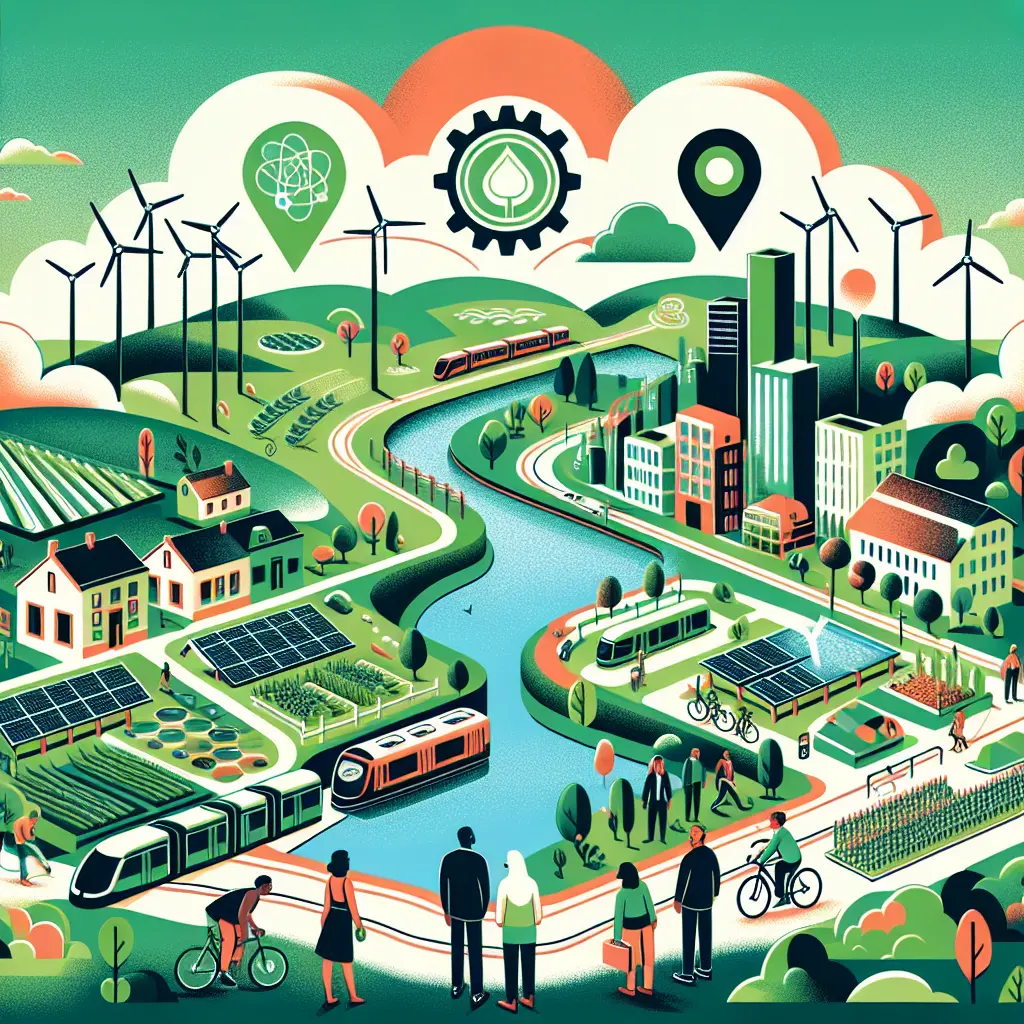
💡 Key Takeaways
- Define net zero and why balancing emissions with removals matters.
- Explain a just transition and how it protects workers and communities during the shift.
- Describe how UK regional policy supports decarbonisation through local investment and planning.
- Identify regional challenges and policy tools to ensure a fair, resilient transition.
❓ Frequently Asked Questions
What does net zero mean?
Net zero means balancing the greenhouse gases we emit with an equivalent amount removed from the atmosphere, so the net emissions are zero.
What is a just transition?
A just transition means moving to a low-carbon economy in a fair way, protecting workers and communities affected by change—such as those in fossil fuel industries—through retraining and new opportunities.
How can regional policy help the UK reach net zero?
Regional policy can tailor actions to local needs, funding things like home energy retrofits, local renewables, public transport, and skills programs to ensure emissions cuts also support regional jobs and fairness.
How can a just transition be supported in practice?
Through retraining and support for workers, targeted investment in affected regions, and creating new local opportunities in clean energy and energy efficiency.