Neuroethics is an interdisciplinary field that explores the ethical, legal, and social implications of neuroscience. It addresses questions arising from advances in brain research, such as the use of neuroimaging, brain-computer interfaces, and cognitive enhancement. Neuroethics examines issues like privacy, consent, moral responsibility, and the potential impact of neuroscience on concepts of identity and free will, aiming to guide responsible innovation and application of brain-related technologies.
Neuroethics
Neuroethics is an interdisciplinary field that explores the ethical, legal, and social implications of neuroscience. It addresses questions arising from advances in brain research, such as the use of neuroimaging, brain-computer interfaces, and cognitive enhancement. Neuroethics examines issues like privacy, consent, moral responsibility, and the potential impact of neuroscience on concepts of identity and free will, aiming to guide responsible innovation and application of brain-related technologies.
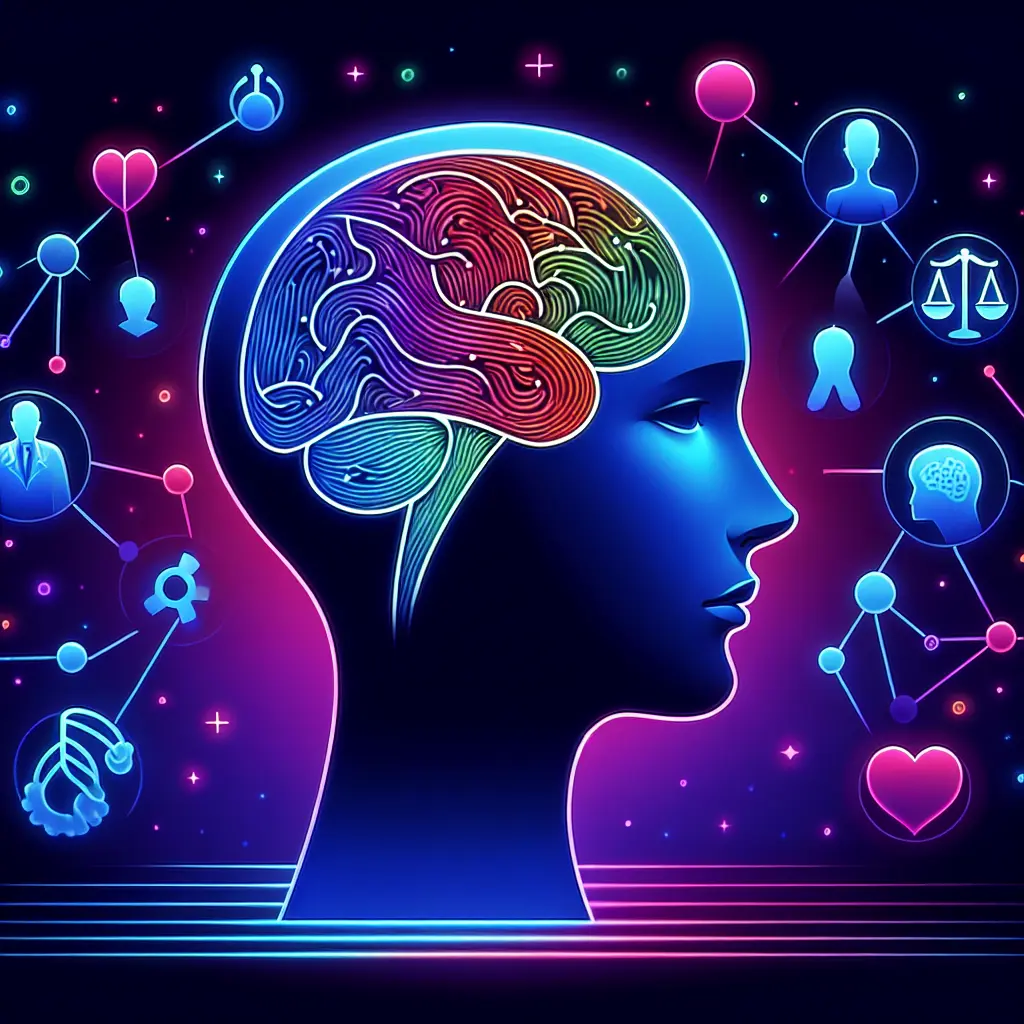
💡 Key Takeaways
- Understand the core questions neuroethics asks about brain science and its impact on individuals and society
- Consider privacy, consent, and data protection in neuroimaging and brain data
- Explore autonomy, identity, and responsibility in brain-computer interfaces and cognitive enhancement
- Examine fairness, access, and governance in emerging neurotechnologies and their regulation
❓ Frequently Asked Questions
What is neuroethics?
Neuroethics is the interdisciplinary study of the ethical, legal, and social implications arising from neuroscience and brain research.
What ethical issues come with neuroimaging?
Neuroimaging raises concerns about privacy and consent, handling sensitive brain data, and the potential for incidental findings or misuse of information.
What are brain-computer interfaces and what issues do they raise?
Brain-computer interfaces create direct links between the brain and external devices; key concerns include autonomy and control, safety, neural data privacy, cybersecurity, and equitable access.
What is cognitive enhancement and why is it debated?
Cognitive enhancement uses methods to boost brain function beyond the typical capacity, prompting debates about safety, fairness, coercion, authenticity, and social impact.
How does neuroethics influence policy and research governance?
Neuroethics informs guidelines on informed consent, data protection for neural information, dual-use risks, and equitable regulation and distribution of neuroscience advancements.