Nightshade vegetables, including tomatoes, potatoes, eggplants, and peppers, are nutrient-rich foods often considered part of a healthy diet. They provide vitamins, minerals, and antioxidants that support overall health and may reduce the risk of chronic diseases. However, some individuals with sensitivities or autoimmune conditions may need to limit their intake. Incorporating nightshade vegetables as part of balanced, healthy habits can contribute to a varied and nutritious diet, supporting wellness and vitality.
Nightshade Vegetables and Health
Nightshade vegetables, including tomatoes, potatoes, eggplants, and peppers, are nutrient-rich foods often considered part of a healthy diet. They provide vitamins, minerals, and antioxidants that support overall health and may reduce the risk of chronic diseases. However, some individuals with sensitivities or autoimmune conditions may need to limit their intake. Incorporating nightshade vegetables as part of balanced, healthy habits can contribute to a varied and nutritious diet, supporting wellness and vitality.
💡 Key Takeaways
- Identify common nightshade vegetables (tomatoes, potatoes, peppers, and eggplant) and their key nutrients.
- Understand glycoalkaloids (e.g., solanine) and how they may affect sensitive individuals.
- Evaluate the evidence on nightshades and inflammation or arthritis—myths versus science.
- Learn how cooking and preparation can affect nutrient content and glycoalkaloid levels in nightshade vegetables.
❓ Frequently Asked Questions
What are nightshade vegetables?
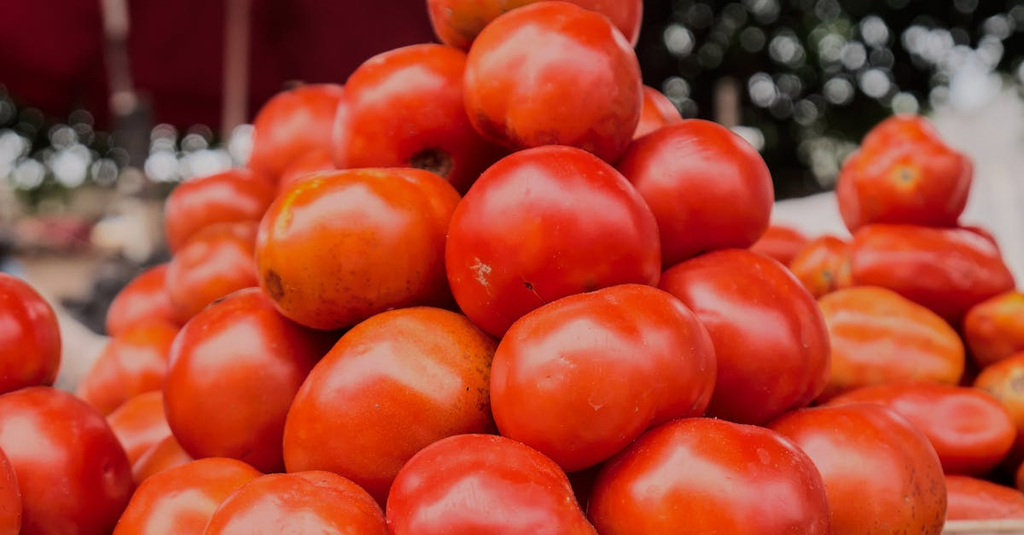
Nightshade vegetables come from the Solanaceae family and include tomatoes, potatoes, eggplants, and peppers (bell and hot peppers). Some other foods like goji berries are also treated as nightshades.
Are nightshade vegetables safe for most people?
Yes. They’re generally nutritious and safe for most people. Some individuals may be sensitive or allergic. A common concern is solanine in green potatoes, which can be reduced by avoiding green areas and cooking; cooking tomatoes and peppers is safe.
Do nightshades cause inflammation or worsen arthritis?
Scientific evidence is limited and mixed. Most people can eat nightshades without issues, but a few may notice symptom changes. If you suspect a problem, consult a healthcare professional and consider an informed elimination test under guidance.
What nutrients do nightshade vegetables provide?
Tomatoes offer lycopene and vitamin C; peppers provide vitamins A and C; potatoes supply potassium, vitamin C, and B6; eggplants add fiber and minerals. Some peppers also contain capsaicin, which may have anti-inflammatory effects.
How should I prep and store nightshades to stay safe and tasty?
Keep potatoes in a cool, dark place; avoid green or sprouted potatoes due to solanine. Wash all produce, store ripe tomatoes at room temperature away from direct sun, and cook vegetables thoroughly to improve safety and digestion.