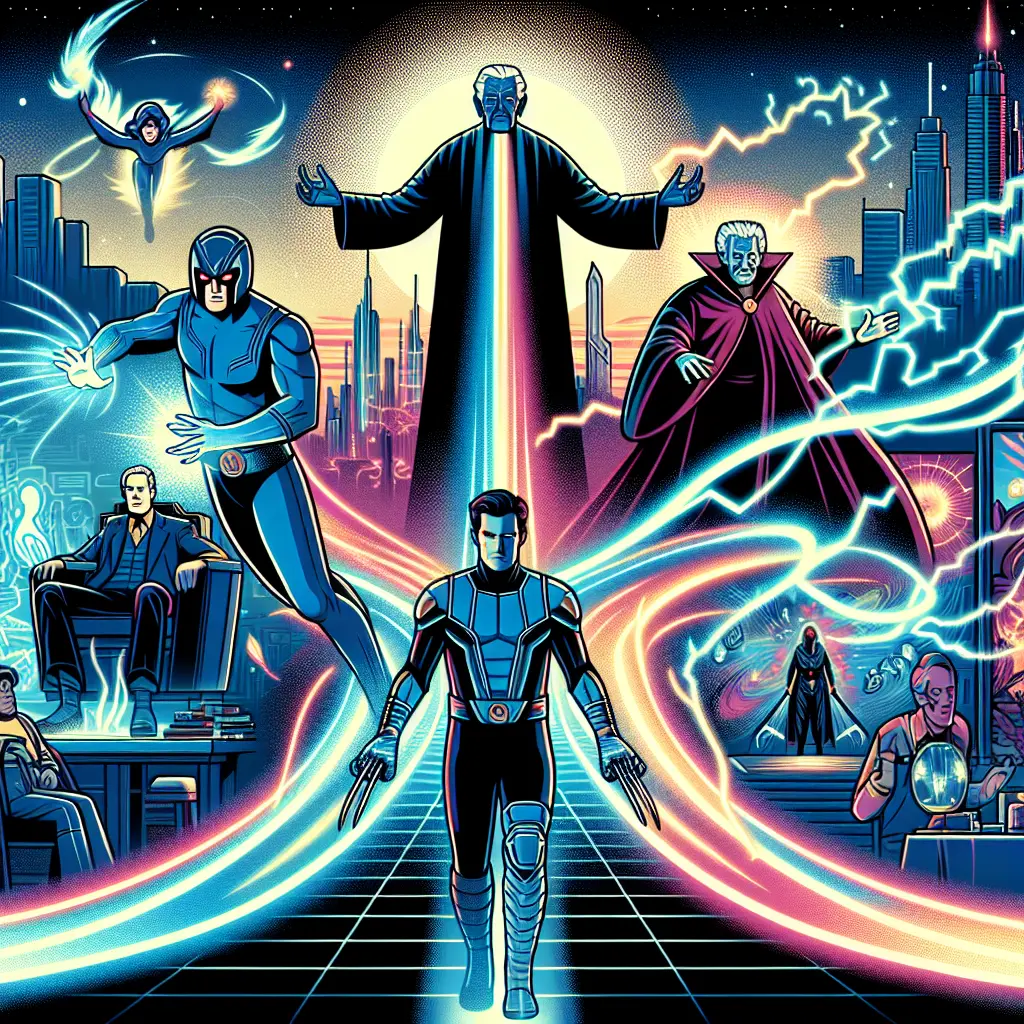
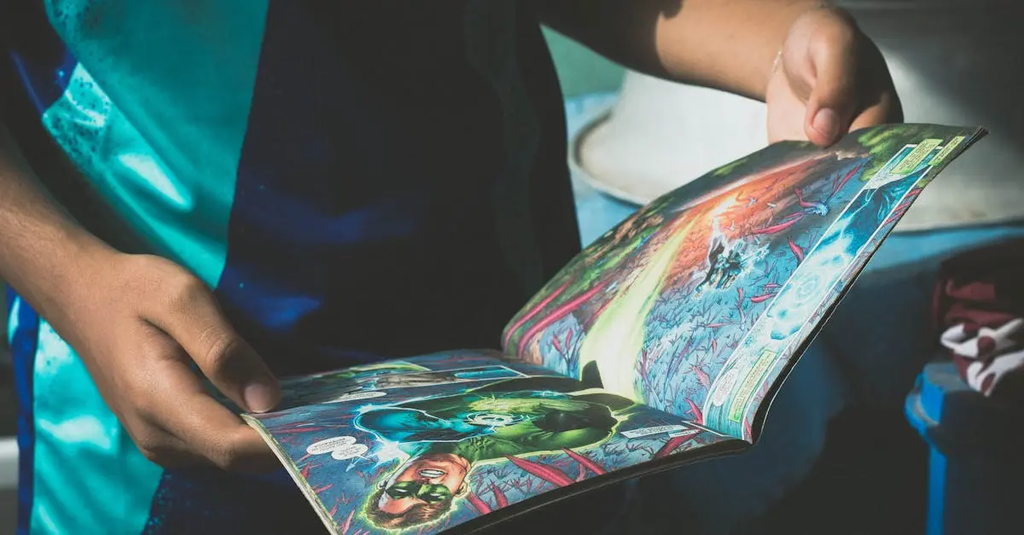
Nonlinear narratives in comics refer to storytelling techniques where events are presented out of chronological order. This approach allows creators to play with time, memory, and perspective, often using visual cues like flashbacks, parallel storylines, or fragmented sequences. Nonlinear narratives can deepen emotional impact, create suspense, and encourage readers to actively piece together the story, making the reading experience more engaging and complex compared to traditional linear storytelling.
Nonlinear Narratives in Comics
Nonlinear narratives in comics refer to storytelling techniques where events are presented out of chronological order. This approach allows creators to play with time, memory, and perspective, often using visual cues like flashbacks, parallel storylines, or fragmented sequences. Nonlinear narratives can deepen emotional impact, create suspense, and encourage readers to actively piece together the story, making the reading experience more engaging and complex compared to traditional linear storytelling.
💡 Key Takeaways
- Identify common nonlinear storytelling techniques used in comics, such as flashbacks, parallel timelines, and fragmented sequences.
- Explain how time, memory, and perspective shape character understanding and plot in superhero narratives.
- Analyze how visual cues like panel transitions, color shifts, and layout choices signal shifts in time or point of view.
- Compare nonlinear and linear storytelling to determine when each approach best enhances suspense, characterization, and world-building.
❓ Frequently Asked Questions
What is a nonlinear narrative in comics?
A storytelling approach where events are not told in strict chronological order; it uses devices like flashbacks, parallel timelines, or fragmented sequences to explore time, memory, and perspective.
What are common techniques used in nonlinear comic narratives?
Flashbacks, flash-forwards, parallel storylines, fragmented panels, varying perspectives, memory sequences, and retellings, often signaled by transitional captions or distinctive panel layouts.
How do visual cues help signal shifts in time?
Panel size and shape, gutter width, color shifts, borders, and captions cue readers to jumps in time or perspective, helping connect non-sequential events.
Why do superheroes and comics use nonlinear narratives?
To reveal origins gradually, explore consequences across timelines or alternate universes, and deepen character psychology and theme beyond straightforward events.
How can you tell a narrative is nonlinear while reading?
Look for events out of order, memory sequences, or multiple timelines interwoven in the panels and captions.