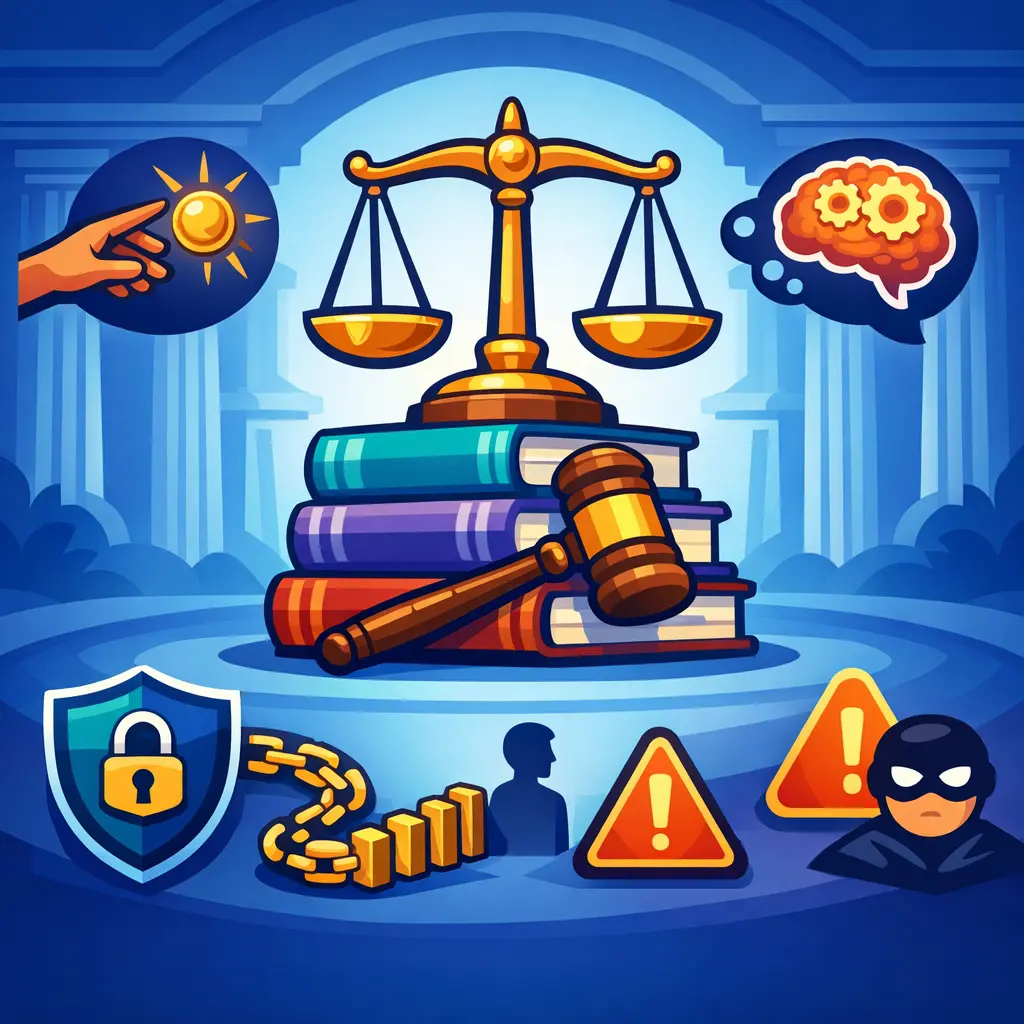
Nonprofit Governance & Board Responsibilities in the context of law, government, and public service refers to the systems, policies, and practices that guide nonprofit organizations. Board members are tasked with ensuring legal compliance, ethical conduct, strategic direction, and financial oversight. They uphold the organization’s mission, safeguard assets, and foster transparency and accountability. Effective governance helps nonprofits fulfill their public service roles and maintain trust with stakeholders and the broader community.
Nonprofit Governance & Board Responsibilities
Nonprofit Governance & Board Responsibilities in the context of law, government, and public service refers to the systems, policies, and practices that guide nonprofit organizations. Board members are tasked with ensuring legal compliance, ethical conduct, strategic direction, and financial oversight. They uphold the organization’s mission, safeguard assets, and foster transparency and accountability. Effective governance helps nonprofits fulfill their public service roles and maintain trust with stakeholders and the broader community.

💡 Key Takeaways
- Understand the nonprofit board's role in governance and strategic oversight
- Learn the fiduciary duties of board members (care, loyalty, obedience) and how they guide decisions
- Identify core governance practices: financial oversight, risk management, compliance, and reporting
- Explore board structure, committees, meeting cadence, and CEO performance evaluation
❓ Frequently Asked Questions
What is nonprofit governance?
The framework of policies, processes, and leadership decisions that guide a nonprofit toward its mission, ensuring accountability to stakeholders and compliance with laws.
What are the main responsibilities of a nonprofit board?
Setting mission and strategy, hiring and supervising the CEO, financial oversight and legal compliance, fundraising oversight, risk management, and ethical governance.
What are the three fiduciary duties of nonprofit directors?
Duty of care: act with reasonable diligence. Duty of loyalty: put the organization’s interests first and avoid conflicts. Duty of obedience: follow laws and the organization’s mission.
What is a conflict of interest and why should it be disclosed?
A situation where personal interests could influence board decisions. Disclosing conflicts and recusing affected member helps maintain integrity and trust.