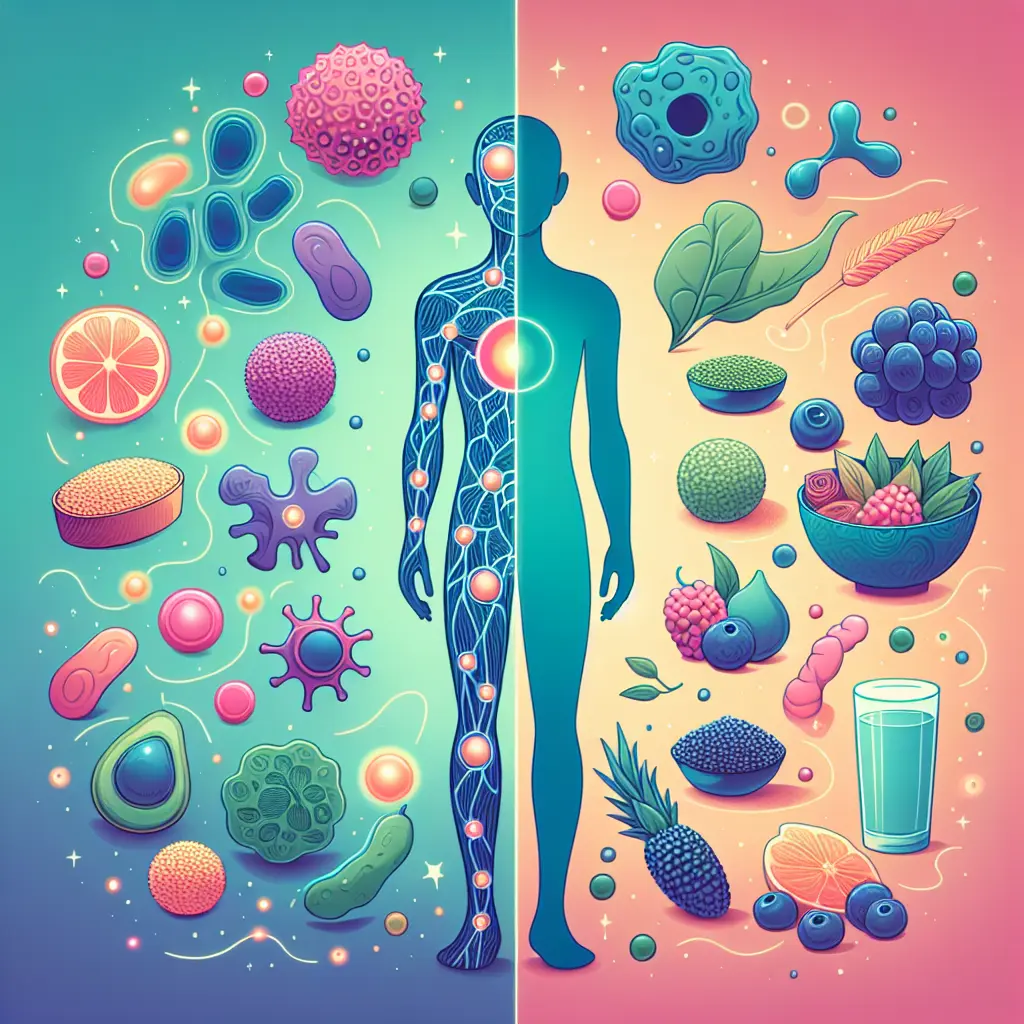
Nutrition for PCOS & Hormonal Balance focuses on dietary choices that help manage symptoms of polycystic ovary syndrome and support overall hormonal health. Emphasizing whole foods, lean proteins, healthy fats, fiber-rich vegetables, and low-glycemic carbohydrates can stabilize blood sugar and reduce inflammation. Avoiding processed foods and refined sugars is also important. Proper nutrition aids in weight management, improves insulin sensitivity, and helps regulate menstrual cycles, ultimately promoting hormonal equilibrium and overall well-being.
Nutrition for PCOS & Hormonal Balance
Nutrition for PCOS & Hormonal Balance focuses on dietary choices that help manage symptoms of polycystic ovary syndrome and support overall hormonal health. Emphasizing whole foods, lean proteins, healthy fats, fiber-rich vegetables, and low-glycemic carbohydrates can stabilize blood sugar and reduce inflammation. Avoiding processed foods and refined sugars is also important. Proper nutrition aids in weight management, improves insulin sensitivity, and helps regulate menstrual cycles, ultimately promoting hormonal equilibrium and overall well-being.

💡 Key Takeaways
- Understand how diet and blood sugar regulation influence PCOS symptoms and hormonal balance.
- Learn how whole foods—lean proteins, healthy fats, fiber-rich vegetables, and low-GI carbohydrates—support hormonal health.
- Discover practical meal planning strategies to stabilize blood sugar and evenly distribute protein and fiber throughout the day.
- Identify nutrients and foods that may help reduce insulin resistance and inflammation in PCOS, such as omega-3 fats, fiber, and antioxidants.
- Explore ways to limit processed foods, added sugars, and refined carbohydrates to improve symptom management.
❓ Frequently Asked Questions
What is PCOS and how can nutrition help hormonal balance?
Polycystic Ovary Syndrome is a common hormonal condition. A diet rich in whole foods, fiber, lean protein, healthy fats, and low‑glycemic carbohydrates can improve insulin sensitivity, reduce inflammation, and support more regular hormonal function.
Which foods should I include for PCOS management?
Aim for vegetables, fruits, whole grains, legumes, lean proteins (fish, poultry, eggs), and healthy fats (olive oil, avocados, nuts) to stabilize blood sugar and promote fullness.
How do low‑glycemic index carbohydrates help with PCOS?
Low‑GI carbs lead to slower increases in blood sugar, reducing insulin spikes, which can aid weight management and potentially improve ovulatory health.
Which nutrients are important for hormonal balance in PCOS?
Prioritize fiber, high‑quality protein, and healthy fats (omega‑3s), along with magnesium, vitamin D, and antioxidants from colorful produce to support metabolism and inflammation control.