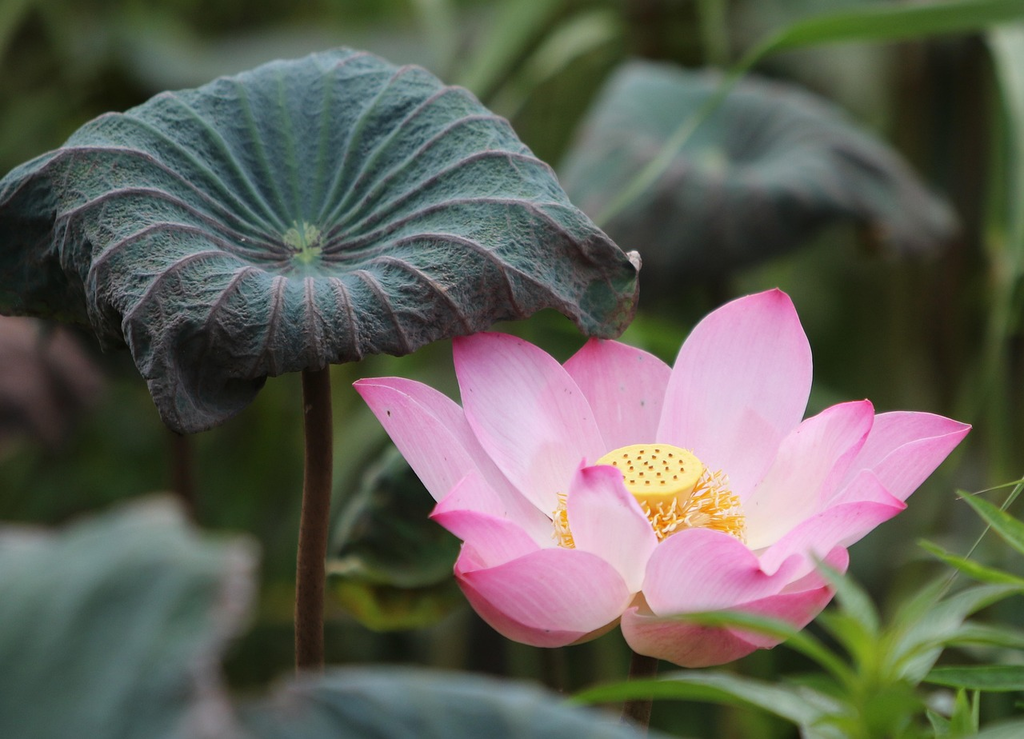
Lotuses, like roses, require specific nutrients to thrive and produce vibrant blooms. They need a balanced supply of macronutrients such as nitrogen, phosphorus, and potassium, which support healthy growth, strong roots, and abundant flowering. Additionally, micronutrients like iron and magnesium are essential for lush foliage and vivid flower color. Proper sunlight, clean water, and periodic fertilization ensure that lotuses develop robust flowers and maintain overall plant health.
Nutritional Needs of Lotuses
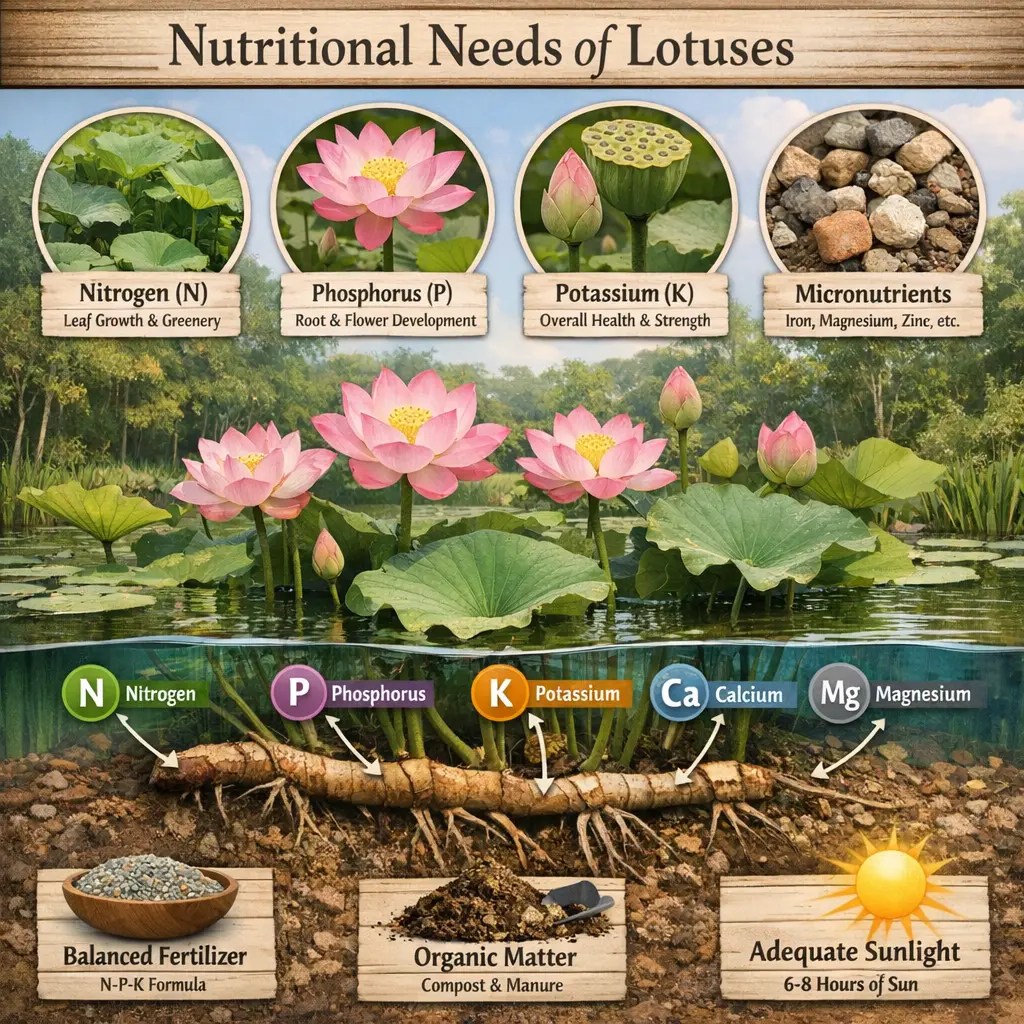
Lotuses, like roses, require specific nutrients to thrive and produce vibrant blooms. They need a balanced supply of macronutrients such as nitrogen, phosphorus, and potassium, which support healthy growth, strong roots, and abundant flowering. Additionally, micronutrients like iron and magnesium are essential for lush foliage and vivid flower color. Proper sunlight, clean water, and periodic fertilization ensure that lotuses develop robust flowers and maintain overall plant health.
💡 Key Takeaways
- Identify essential nutrients for healthy lotus growth (NPK and micronutrients).
- Explain how water quality, substrate/soil, and pH affect lotus nutrient uptake.
- Recognize common lotus nutrient deficiencies and how to fix them.
- Choose fertilizer strategies for different growth stages of lotus plants.
❓ Frequently Asked Questions
What nutrients are essential for lotus plants?
Lotus needs macronutrients—nitrogen, phosphorus, and potassium—for growth and flowering—plus secondary nutrients like calcium, magnesium, and sulfur, and trace minerals such as iron, manganese, boron, zinc, copper, and molybdenum.
What growing medium and pH do lotuses need?
Plant rhizomes in nutrient-rich mud at the pond bottom or in heavy loam with compost in containers. Aim for a pH around 6.5–7.5 and provide full sun.
How often should you fertilize lotus?
Feed during the active growing season (spring–summer) every 2–4 weeks with a balanced aquatic fertilizer; reduce or stop in winter.
How can you tell if a lotus is nutrient-deficient or over-fertilized?
N deficiency: yellowing older leaves; iron deficiency: interveinal yellowing of new leaves; potassium deficiency: brown leaf margins. Over-fertilization can cause leaf tip burn or a salt crust; adjust fertilizer accordingly.