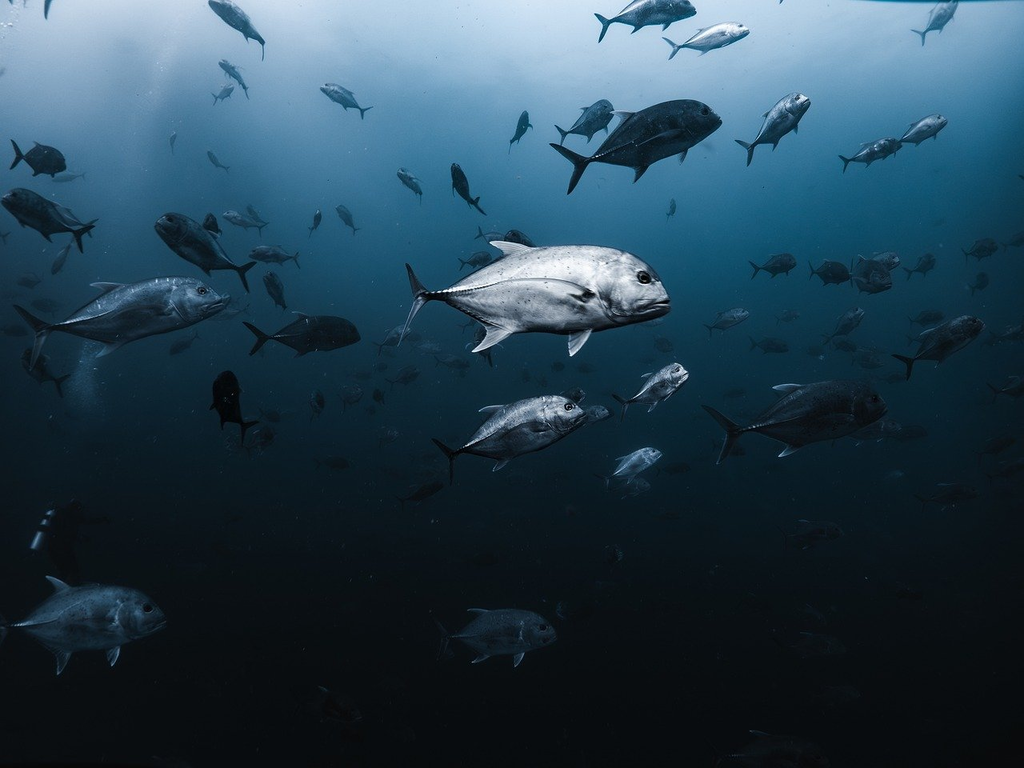
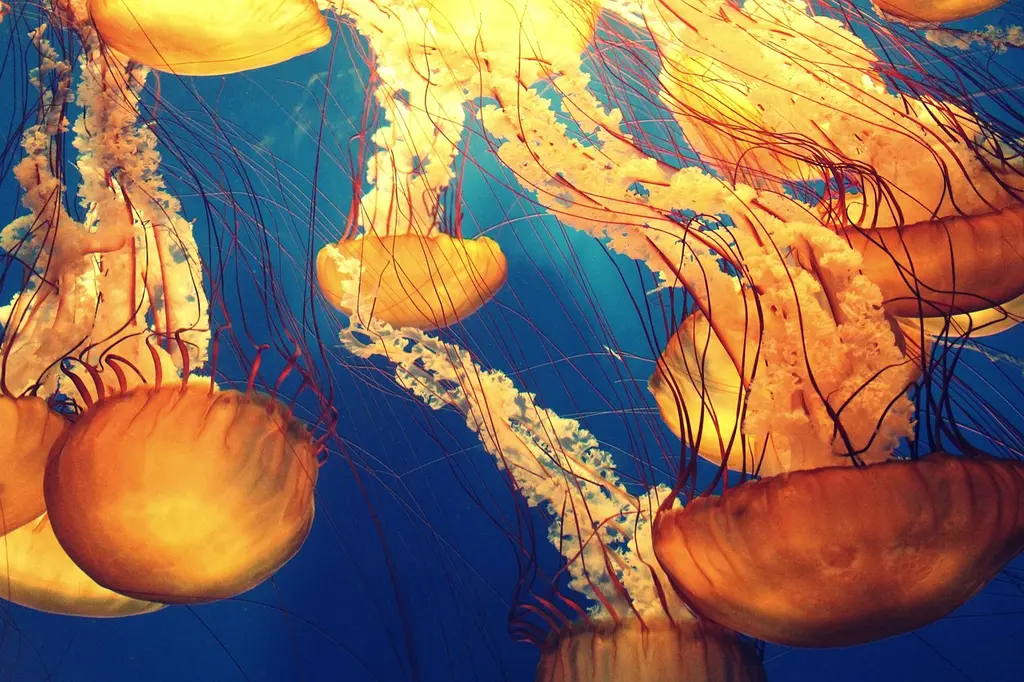
Ocean acidification refers to the ongoing decrease in the pH of Earth's oceans caused by the absorption of excess atmospheric carbon dioxide. This process disrupts marine ecosystems by weakening coral reefs, harming shell-forming organisms, and altering food webs. As acidity rises, biodiversity declines, threatening fisheries and coastal communities that rely on healthy oceans for food, livelihoods, and protection from storms. Ocean acidification is a significant environmental challenge linked to climate change.
Ocean Acidification Impacts
Ocean acidification refers to the ongoing decrease in the pH of Earth's oceans caused by the absorption of excess atmospheric carbon dioxide. This process disrupts marine ecosystems by weakening coral reefs, harming shell-forming organisms, and altering food webs. As acidity rises, biodiversity declines, threatening fisheries and coastal communities that rely on healthy oceans for food, livelihoods, and protection from storms. Ocean acidification is a significant environmental challenge linked to climate change.
💡 Key Takeaways
- Understand how rising CO2 lowers seawater pH and alters carbonate chemistry.
- Explain why calcifying organisms like corals, oysters, and some plankton struggle with ocean acidification.
- Describe potential ecological and economic impacts, including reef decline, disrupted food webs, and effects on fisheries.
- Identify strategies for monitoring, mitigating, and adapting to ocean acidification at local and global scales.
❓ Frequently Asked Questions
What is ocean acidification?
Ocean acidification is the long-term drop in seawater pH caused by CO2 from the atmosphere dissolving in the ocean, which reduces carbonate ions needed by many marine organisms to build shells.
What causes ocean acidification?
Rising atmospheric CO2 from burning fossil fuels dissolves in seawater, forming carbonic acid and shifting carbonate chemistry toward more acidic conditions.
How does it affect marine life?
Lower pH and fewer carbonate ions make calcification harder for corals, oysters, and some plankton, potentially slowing growth and weakening shells.
What are the broader impacts on ecosystems and people?
Weaker coral reefs and shellfish populations can reduce biodiversity, fisheries, tourism, and coastal protection, with ripple effects on food webs and communities.
What can be done to address ocean acidification?
Reduce CO2 emissions and manage local stressors to boost resilience, while supporting monitoring and research of ocean chemistry.