Ocean pollution basics refer to the introduction of harmful substances such as plastics, chemicals, and waste into the world’s oceans and seas. This pollution threatens marine life, disrupts ecosystems, and impacts human health. Common sources include industrial runoff, sewage, oil spills, and littering. Understanding the basics of ocean pollution is crucial for developing solutions to protect marine environments and ensure the health of Planet Earth’s vital water resources.
Ocean Pollution Basics
Ocean pollution basics refer to the introduction of harmful substances such as plastics, chemicals, and waste into the world’s oceans and seas. This pollution threatens marine life, disrupts ecosystems, and impacts human health. Common sources include industrial runoff, sewage, oil spills, and littering. Understanding the basics of ocean pollution is crucial for developing solutions to protect marine environments and ensure the health of Planet Earth’s vital water resources.
💡 Key Takeaways
- Identify the main types of ocean pollution (plastic, chemical, oil, sewage) and how waste reaches the ocean.
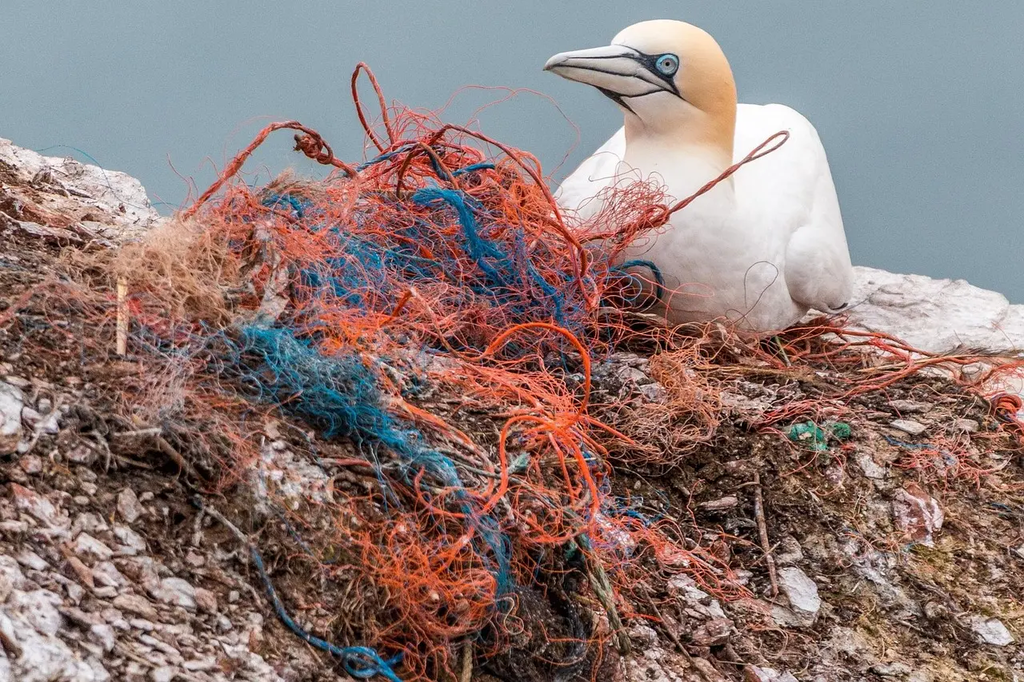
- Explain how plastics and other pollutants harm marine life through ingestion, entanglement, and habitat damage.
- Describe the broader effects of ocean pollution on human health, local economies, and climate resilience.
- List practical actions to reduce ocean pollution in daily life and communities (reduce plastic use, proper disposal, participate in cleanups).
❓ Frequently Asked Questions
What is ocean pollution?
Ocean pollution is the introduction of harmful substances, energy, or waste into the ocean that harms marine life, habitats, or human health. Common pollutants include plastics, chemicals, oil, sewage, and noise.
What are the main sources of ocean pollution?
Sources include plastic waste and microplastics, agricultural runoff, untreated or inadequately treated sewage, oil spills, shipping and industrial discharges, and air-borne pollutants that settle into the sea.
How does ocean pollution affect marine life and ecosystems?
Pollutants can poison or harm organisms, cause ingestion or entanglement of debris, disrupt feeding and reproduction, and trigger harmful algal blooms that deplete oxygen and degrade habitats.
What is plastic pollution and why is it harmful?
Plastic pollution persists in the ocean, breaking into microplastics that are ingested by wildlife and can enter the food chain, causing physical harm and chemical exposure.
What can individuals do to reduce ocean pollution?
Reduce single-use plastics, recycle and dispose of waste properly, participate in beach cleanups, support responsible products and policies, and minimize runoff by careful use of fertilizers and pesticides.