Oceanic renewable energy refers to the sustainable harnessing of power from the world’s oceans and seas. This includes energy generated from tides, waves, ocean currents, and thermal gradients. As a clean and abundant resource, oceanic renewable energy offers significant potential to reduce reliance on fossil fuels, lower greenhouse gas emissions, and support global energy needs while preserving marine ecosystems and promoting environmental sustainability on planet Earth.
Oceanic Renewable Energy
Oceanic renewable energy refers to the sustainable harnessing of power from the world’s oceans and seas. This includes energy generated from tides, waves, ocean currents, and thermal gradients. As a clean and abundant resource, oceanic renewable energy offers significant potential to reduce reliance on fossil fuels, lower greenhouse gas emissions, and support global energy needs while preserving marine ecosystems and promoting environmental sustainability on planet Earth.
💡 Key Takeaways
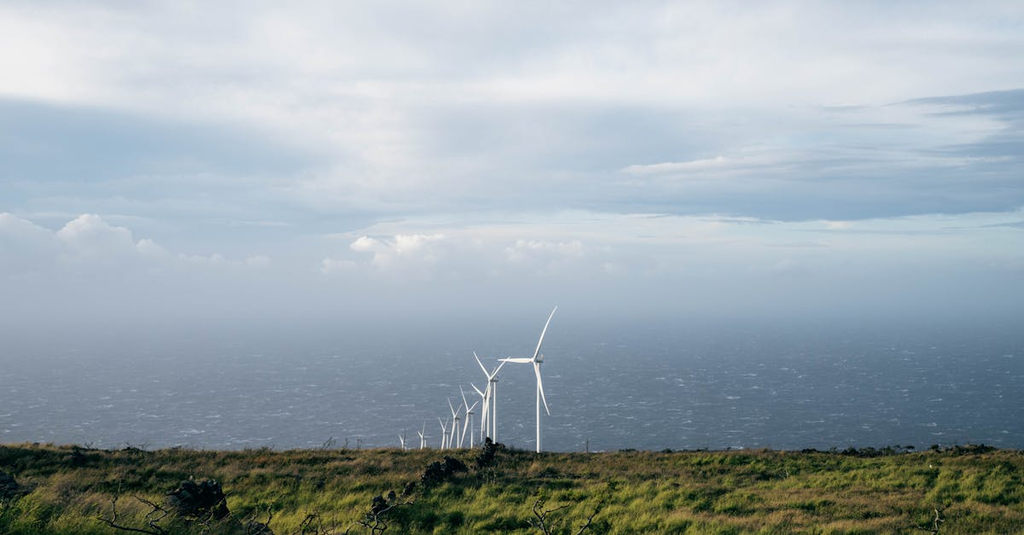
- Identify the main oceanic energy sources: tidal, wave, and offshore wind.
- Explain how marine energy devices convert ocean motion into electricity (tidal turbines, wave energy converters).
- Understand the main advantages and challenges of ocean energy, including predictability, environmental considerations, and costs.
- Assess the current deployment status and future potential of oceanic renewables and grid integration.
❓ Frequently Asked Questions
What is oceanic renewable energy?
Energy produced from the ocean using natural, renewable processes such as tides, waves, salinity or temperature differences, and offshore wind.
What are the main types of ocean energy?
Tidal energy (tidal streams and barrages), wave energy, ocean thermal energy conversion (OTEC), blue energy from salinity gradients, and offshore wind.
How does tidal energy generate electricity?
Turbines or barrages capture the kinetic energy of moving tides, causing blades to rotate and drive a generator to produce electricity.
What are the benefits of ocean energy?
Abundant offshore resources, potential for predictable or steady output (especially with tides), and minimal land use.
What are common challenges for ocean energy projects?
High costs, harsh marine environments, maintenance access, environmental and navigational concerns, and grid integration.