Oceanic volcanism refers to volcanic activity occurring beneath or on the ocean floor, primarily at mid-ocean ridges, volcanic islands, and seamounts. This process plays a crucial role in shaping the seafloor and creating new oceanic crust through the eruption of magma. Oceanic volcanism also influences ocean chemistry, marine ecosystems, and global geological processes, contributing to the dynamic nature of Earth's oceans and their ongoing evolution.
Oceanic Volcanism
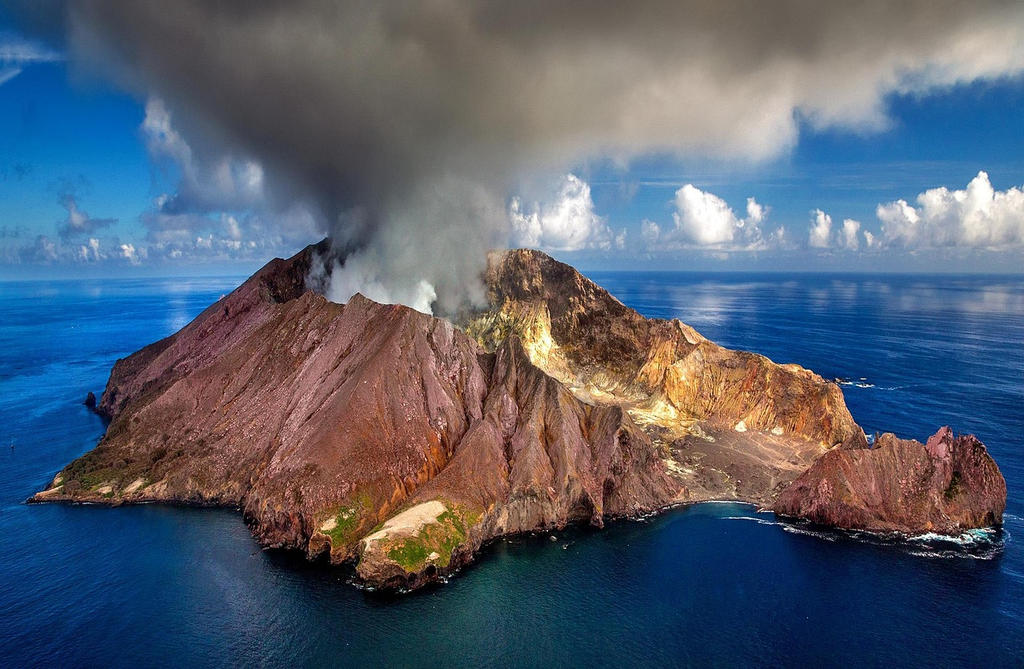
Oceanic volcanism refers to volcanic activity occurring beneath or on the ocean floor, primarily at mid-ocean ridges, volcanic islands, and seamounts. This process plays a crucial role in shaping the seafloor and creating new oceanic crust through the eruption of magma. Oceanic volcanism also influences ocean chemistry, marine ecosystems, and global geological processes, contributing to the dynamic nature of Earth's oceans and their ongoing evolution.
💡 Key Takeaways
- Understand what oceanic volcanism is and where it occurs (mid-ocean ridges, seamounts, volcanic arcs beneath the sea).
- Learn about distinctive submarine eruption features and rock types formed by rapid cooling in seawater (pillow lavas, glassy rocks).
- Explore how oceanic volcanism drives hydrothermal vent systems, mineral deposits, and unique deep-sea ecosystems.
- Recognize how plate tectonics and basaltic magma shape submarine eruptions and influence seafloor geology.
❓ Frequently Asked Questions
What is oceanic volcanism?
Volcanic activity that occurs on the seafloor or within the oceanic crust, where magma erupts underwater, forming features such as pillow lavas and volcanic vents along the ocean floor.
Where are oceanic volcanic eruptions most common?
Most occur along mid-ocean ridges where tectonic plates diverge, and at hotspots and volcanic seamounts; they can also occur near subduction zones, forming island arcs.
What are pillow lavas, and why do they form underwater?
Pillow lavas are rounded, bulbous lava formations that form when low-viscosity basaltic magma erupts underwater and rapidly cools against seawater.
What is a hydrothermal vent, and how is it related to oceanic volcanism?
Hydrothermal vents release heated, mineral-rich fluids from the seafloor; they are often powered by magma heat from submarine volcanic systems and can host unique ecosystems. Black smokers are a type of vent.