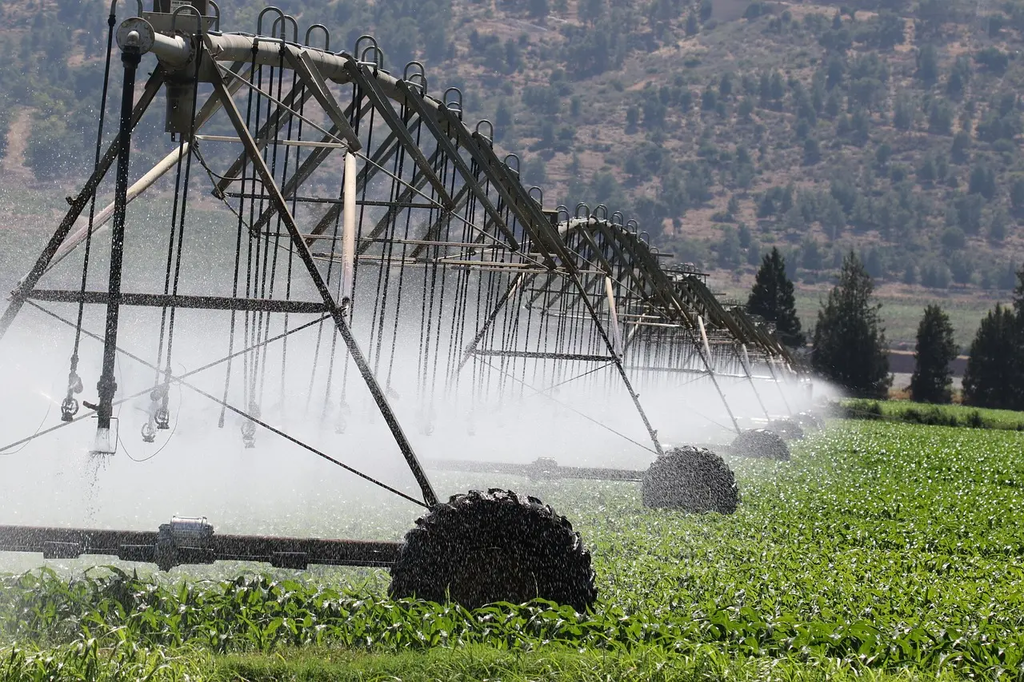
Organic and regenerative farming in the UK refers to agricultural practices that prioritize natural processes, soil health, and biodiversity. Organic farming avoids synthetic chemicals and GMOs, focusing on crop rotation, composting, and animal welfare. Regenerative farming goes further by actively restoring ecosystems, improving soil carbon, and enhancing water retention. Together, these approaches aim to produce healthy food, support wildlife, and combat climate change while sustaining rural communities and traditional farming knowledge.
Organic and regenerative farming in the UK
Organic and regenerative farming in the UK refers to agricultural practices that prioritize natural processes, soil health, and biodiversity. Organic farming avoids synthetic chemicals and GMOs, focusing on crop rotation, composting, and animal welfare. Regenerative farming goes further by actively restoring ecosystems, improving soil carbon, and enhancing water retention. Together, these approaches aim to produce healthy food, support wildlife, and combat climate change while sustaining rural communities and traditional farming knowledge.
💡 Key Takeaways
- Explain the core principles of organic farming in the UK, including avoiding synthetic chemicals and GMOs.
- Describe how organic farming protects soil health through crop rotation, composting, and animal welfare.
- Define regenerative farming and how it aims to improve soil health, biodiversity, and resilience in the UK.
- Identify practical aspects of adopting organic or regenerative farming in the UK, including certification, costs, and market considerations.
❓ Frequently Asked Questions
What is organic farming in the UK?
Organic farming in the UK follows strict standards that ban most synthetic chemicals and GMOs. It emphasizes soil health and biodiversity through crop rotation, composting, natural pest management, and higher animal welfare.
What is regenerative farming and how does it relate to organic farming?
Regenerative farming is an approach that aims to restore soil health, biodiversity, and climate resilience. It uses practices such as cover crops, compost, reduced tillage, and managed grazing. It is not a single certification, but can align with organic goals.
How do organic and regenerative practices benefit the environment?
They improve soil structure and fertility, support biodiversity, reduce chemical runoff, and enhance resilience to drought or floods, helping store carbon and conserve water.
Are there UK standards or certifications for organic farming?
Yes. Organic farming in the UK is certified under standards such as the Soil Association and UK/EU organic standards, which prohibit GMOs and most synthetic pesticides and require welfare- and sustainability-focused farming practices.