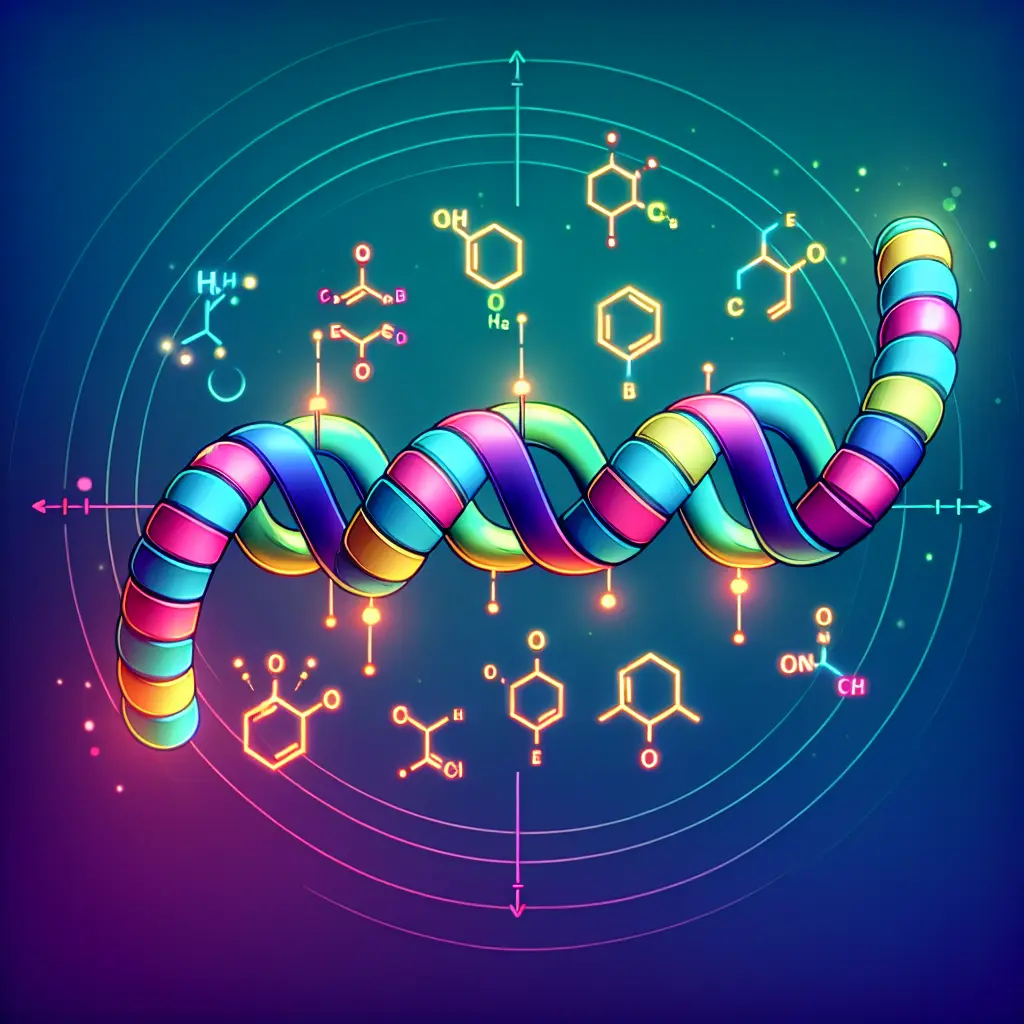
Organic functional groups are specific atoms or groups of atoms within molecules that determine the chemical properties and reactions of organic compounds. Common examples include alcohols, carboxylic acids, amines, and ketones. Nomenclature refers to the systematic naming of these compounds according to established rules, mainly set by IUPAC. Proper nomenclature identifies the functional group, carbon chain length, and substituents, ensuring clear communication and identification of organic molecules in chemistry.
Organic Functional Groups & Nomenclature
Organic functional groups are specific atoms or groups of atoms within molecules that determine the chemical properties and reactions of organic compounds. Common examples include alcohols, carboxylic acids, amines, and ketones. Nomenclature refers to the systematic naming of these compounds according to established rules, mainly set by IUPAC. Proper nomenclature identifies the functional group, carbon chain length, and substituents, ensuring clear communication and identification of organic molecules in chemistry.
💡 Key Takeaways
- Identify common organic functional groups (e.g., alcohols, carboxylic acids, amines, ketones) and describe their key reactive features.
- Explain how the presence of a functional group influences the properties and reactivity of organic molecules.
- Apply IUPAC nomenclature rules to name simple organic compounds involving common functional groups, including suffixes like -ol, -one, -al, and -oic acid.
- Classify and name derivatives using functional group priorities and substituent naming to build foundational skills in systematic nomenclature.
❓ Frequently Asked Questions
What is a functional group in organic chemistry?
A functional group is a specific atom or group of atoms that largely determines a molecule’s chemical properties and reactions (e.g., -OH in alcohols, -COOH in carboxylic acids, -NH2 in amines).
What are some common functional groups and their roles?
Examples include alcohols (-OH), carboxylic acids (-COOH; acidic), amines (-NH2; basic), aldehydes (-CHO) and ketones (-C(=O)R; carbonyls), and esters (-COOR; common in fragrances and polymers).
How does IUPAC nomenclature use functional-group suffixes?
The main functional group gives the name’s suffix (e.g., -ol for alcohols, -al for aldehydes, -one for ketones, -oic acid for carboxylic acids). The longest chain is the parent, and other groups are shown with prefixes and locants; the highest-priority group determines the suffix.
Can you name a simple molecule with its functional group and name it?
Example: CH3CH2OH is ethanol (an alcohol), using the -ol suffix; CH3COOH is ethanoic acid (a carboxylic acid), using the -anoic acid suffix.