Packing a survival kit involves gathering essential items needed to endure unexpected situations, such as natural disasters or being stranded in the wilderness. Key components typically include water, non-perishable food, a first aid kit, flashlight, multi-tool, fire-starting materials, and emergency shelter. Survival stories often highlight the importance of being prepared, as having a well-packed kit can make a crucial difference in ensuring safety, comfort, and the ability to signal for help during emergencies.
Packing a Survival Kit+45
Packing a survival kit involves gathering essential items needed to endure unexpected situations, such as natural disasters or being stranded in the wilderness. Key components typically include water, non-perishable food, a first aid kit, flashlight, multi-tool, fire-starting materials, and emergency shelter. Survival stories often highlight the importance of being prepared, as having a well-packed kit can make a crucial difference in ensuring safety, comfort, and the ability to signal for help during emergencies.
💡 Key Takeaways
- Identify essential items for a compact, reliable survival kit for emergencies.
- Choose lightweight, multi-use gear to maximize space and versatility.
- Prioritize core categories: water, shelter, signaling, first aid, and fire.
- Learn how to tailor your kit for different environments and durations.
- Know how to maintain and rotate kit items to ensure readiness.
❓ Frequently Asked Questions
What is a survival kit?
A compact set of essential supplies designed to meet basic needs in an emergency, including water, food, shelter, fire, signaling, first aid, and tools.
What are the must-have items in a basic survival kit?
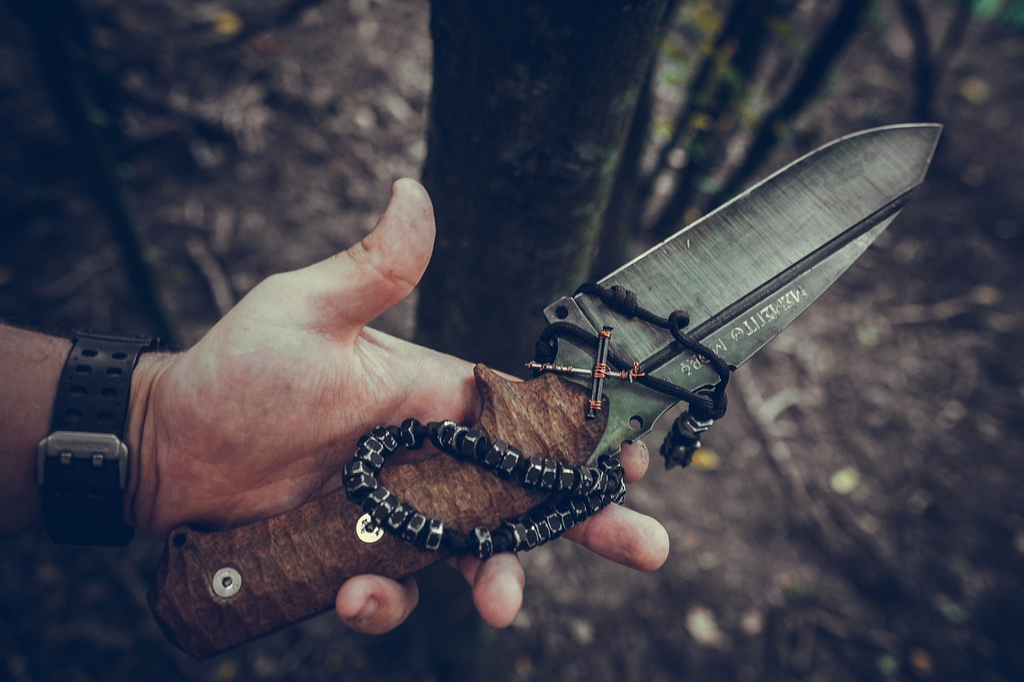
Water (or purification), non-perishable food, shelter or blanket, fire starter, light source, basic first-aid kit, knife or multitool, signaling device, and navigation (map or compass).
How should a survival kit be organized and stored?
Use a waterproof, easy-to-carry container; group items by function; keep it accessible; label and date contents; check and replace items regularly.
How can you tailor a survival kit to your environment or activities?
Adjust for climate and terrain: add cold-weather gear, sun/insect protection, extra batteries, and vehicle or bug-out versions; test and update the kit periodically.