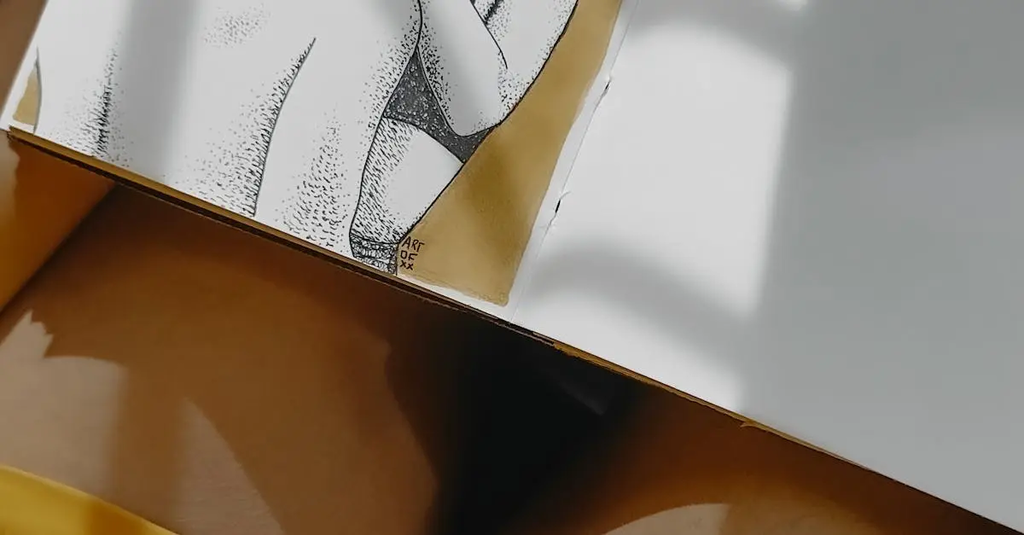
Painting and drawing are two fundamental forms of visual art. Drawing typically involves creating images using tools like pencils, charcoal, or ink on paper, focusing on lines, shapes, and shading. Painting, on the other hand, uses brushes and pigments—such as watercolor, acrylic, or oil—applied to surfaces like canvas. Both art forms allow artists to express creativity, convey emotions, and communicate ideas visually, often serving as a foundation for other artistic disciplines.
Painting & Drawing+50
Painting and drawing are two fundamental forms of visual art. Drawing typically involves creating images using tools like pencils, charcoal, or ink on paper, focusing on lines, shapes, and shading. Painting, on the other hand, uses brushes and pigments—such as watercolor, acrylic, or oil—applied to surfaces like canvas. Both art forms allow artists to express creativity, convey emotions, and communicate ideas visually, often serving as a foundation for other artistic disciplines.
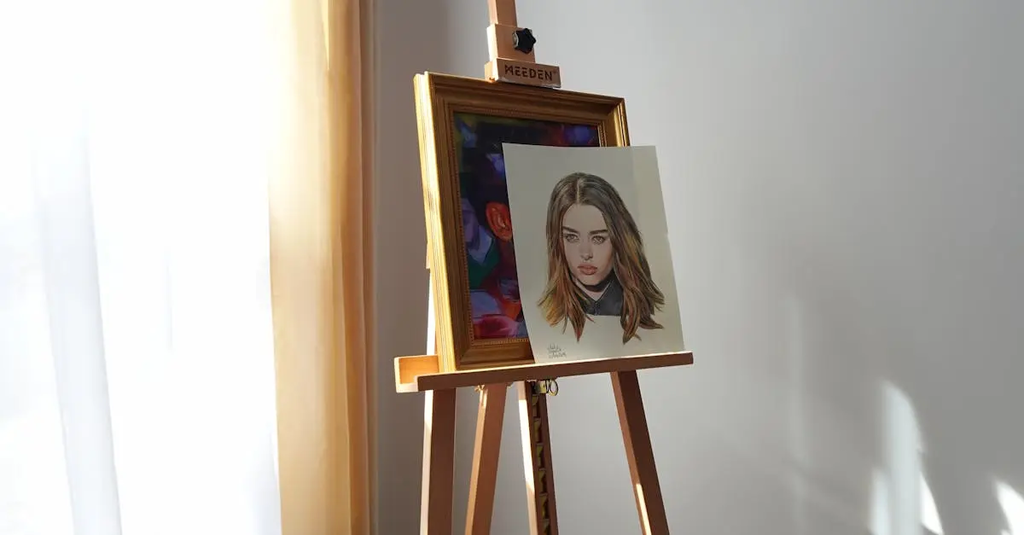
💡 Key Takeaways
- Distinguish drawing from painting, including typical tools, surfaces, and processes.
- Identify common drawing materials (pencils, charcoal, ink) and how they create line, shading, and texture.
- Identify common painting media (watercolor, acrylic, oil) and how brushes, pigments, and layering influence color and texture.
- Apply core art fundamentals: line, shape, value, color, and composition to both drawing and painting.
❓ Frequently Asked Questions
What is the main difference between drawing and painting?
Drawing uses dry media (pencils, charcoal, ink) to create lines and shading on paper; painting uses pigments applied with brushes to a surface.
What are common drawing tools and what do they do?
Pencils create precise lines and gradations; charcoal provides rich blacks and broad shading; ink offers bold lines; the paper surface affects texture and absorption.
What painting mediums are common and how do they differ?
Watercolor is transparent and dries quickly on paper; acrylic dries fast and works on many supports; oil blends slowly for smooth transitions.
How do you create depth and realism in drawings and paintings?
Use value from light to dark to model form: shading in drawing (hatching or smooth shading); blending, layering, and glazing in painting, plus color temperature and contrast.