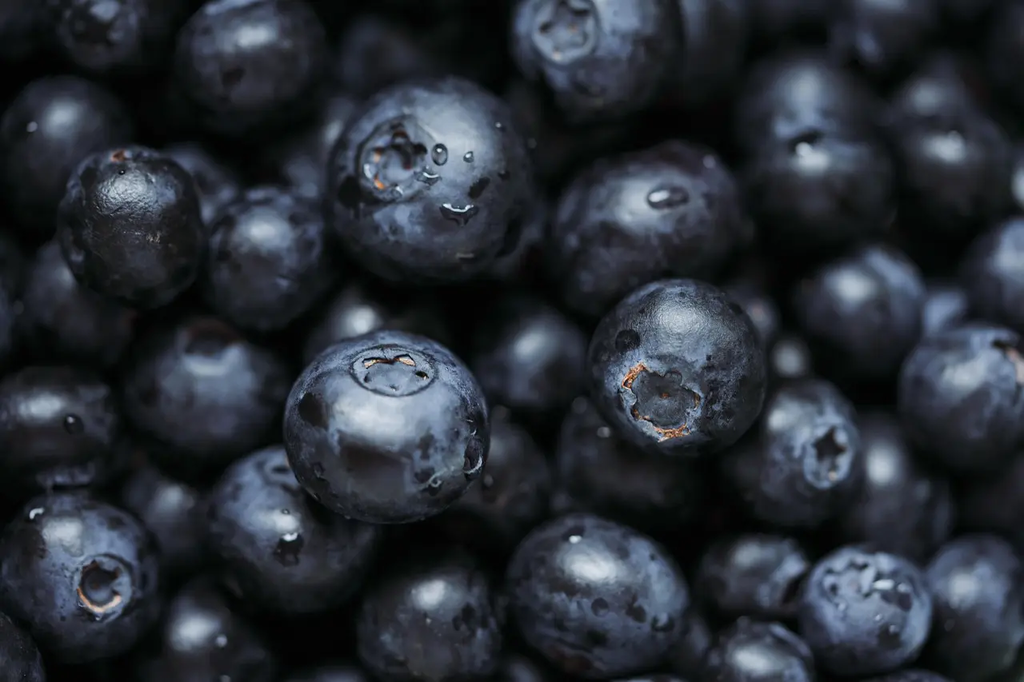
The Paleo Diet focuses on consuming whole, unprocessed foods similar to those eaten by early humans. Its fundamentals include eating lean meats, fish, fruits, vegetables, nuts, and seeds while avoiding grains, dairy, processed foods, and refined sugars. Healthy habits involve mindful eating, regular physical activity, and hydration. Superfoods commonly featured in the Paleo Diet include wild-caught fish, grass-fed meats, leafy greens, berries, and healthy fats like avocado and coconut oil.
Paleo Diet Fundamentals
The Paleo Diet focuses on consuming whole, unprocessed foods similar to those eaten by early humans. Its fundamentals include eating lean meats, fish, fruits, vegetables, nuts, and seeds while avoiding grains, dairy, processed foods, and refined sugars. Healthy habits involve mindful eating, regular physical activity, and hydration. Superfoods commonly featured in the Paleo Diet include wild-caught fish, grass-fed meats, leafy greens, berries, and healthy fats like avocado and coconut oil.

💡 Key Takeaways
- Define the Paleo diet and its guiding principles.
- List typical Paleo foods and foods to avoid.
- Create balanced Paleo meals with protein, vegetables, and healthy fats.
- Assess potential benefits and criticisms of the Paleo approach.
❓ Frequently Asked Questions
What is the Paleo diet?
A dietary pattern emphasizing whole, unprocessed foods similar to a hunter-gatherer era: lean meats, fish, eggs, vegetables, fruits, nuts, and seeds; it usually excludes grains, legumes, dairy, refined sugar, and most processed foods.
What foods are encouraged on the Paleo diet?
Vegetables, fruits, lean meats, fish and seafood, eggs, nuts and seeds, and healthy fats like olive oil and avocado.
What foods are restricted or avoided on the Paleo diet?
Grains, legumes, dairy products, refined sugars, and most processed foods and oils.
What are common benefits and potential drawbacks of the Paleo diet?
Benefits may include a focus on whole foods and improved satiety or blood sugar control for some. Drawbacks can be restrictiveness, potential nutrient gaps (calcium/vitamin D/fiber), and higher cost or social challenges.