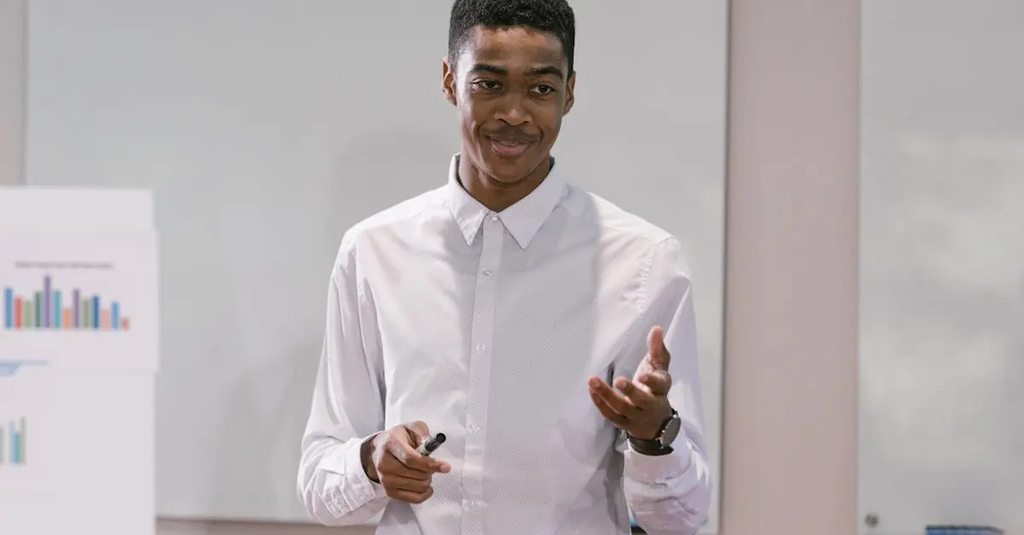
Panel speaking and participation refers to engaging in discussions as part of a group of experts or professionals, typically in front of an audience. Panelists share insights, answer questions, and exchange perspectives on a specific topic, while participants may include both panel members and audience members who contribute through questions or comments. This format encourages interactive dialogue, diverse viewpoints, and collaborative exploration of ideas in conferences, seminars, or public forums.
Panel Speaking and Participation
Panel speaking and participation refers to engaging in discussions as part of a group of experts or professionals, typically in front of an audience. Panelists share insights, answer questions, and exchange perspectives on a specific topic, while participants may include both panel members and audience members who contribute through questions or comments. This format encourages interactive dialogue, diverse viewpoints, and collaborative exploration of ideas in conferences, seminars, or public forums.
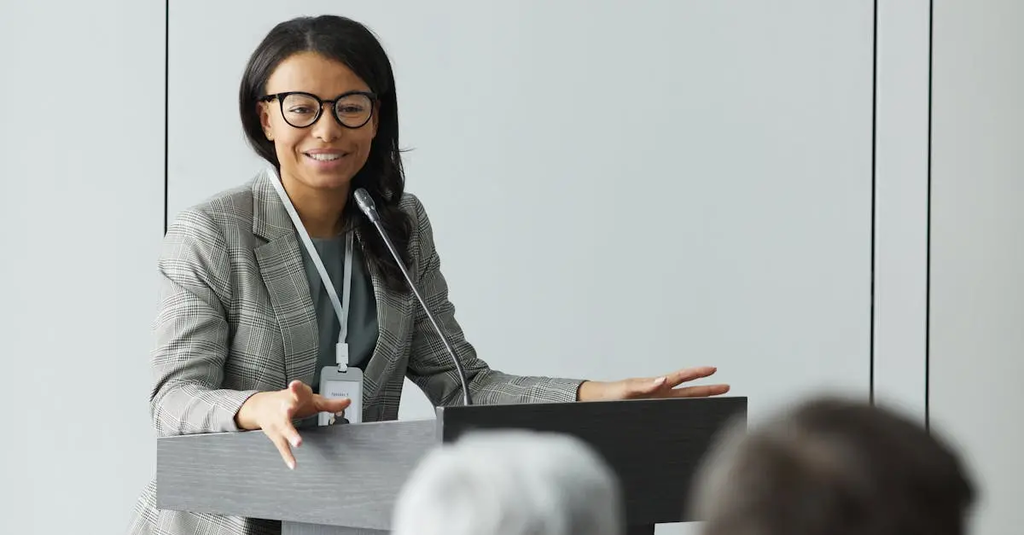
💡 Key Takeaways
- Explain the roles of panelists, moderators, and audience, and how they interact during a session.
- Deliver concise, insightful contributions that add value within short speaking windows.
- Respond to questions with clarity and diplomacy, restating questions when needed and bridging to key points.
- Coordinate with fellow panelists through smooth transitions, active listening, and respectful dialogue.
- Engage the audience with confident delivery, appropriate body language, and inclusive language.
❓ Frequently Asked Questions
What is panel speaking and participation?
Panel speaking is a discussion format where a group of experts talks about a topic in front of an audience; participation includes panelists sharing insights and audience members asking questions or offering perspectives.
What is the role of a panelist?
Panelists share expertise, respond to questions, offer diverse perspectives, and build on others' points while staying concise and relevant.
How should you prepare for a panel discussion?
Research the topic, identify 2-3 key points, anticipate questions, align with the panel's objective, and practice concise responses within the time limit.
How can you participate effectively as a panelist or audience member?
Panelists: listen, stay on topic, reference others' ideas, maintain a respectful tone, and manage speaking time. Audience members: listen actively, take notes, ask clear questions when invited, and avoid interruptions.
What makes a successful panel discussion?
A clear objective, diverse expertise, a skilled moderator, balanced speaking time, engaging questions, and respectful, evidence-based dialogue.