Parallel and perpendicular parking are two common methods of parking a vehicle. Parallel parking involves aligning your car parallel to the curb, typically between two parked cars, requiring careful maneuvering and reversing. Perpendicular parking, on the other hand, means parking at a 90-degree angle to the curb or a wall, usually in parking lots, where cars are positioned side by side in marked spaces, allowing for easier entry and exit.
Parallel and Perpendicular Parking
Parallel and perpendicular parking are two common methods of parking a vehicle. Parallel parking involves aligning your car parallel to the curb, typically between two parked cars, requiring careful maneuvering and reversing. Perpendicular parking, on the other hand, means parking at a 90-degree angle to the curb or a wall, usually in parking lots, where cars are positioned side by side in marked spaces, allowing for easier entry and exit.
💡 Key Takeaways
- Identify the differences between parallel parking and perpendicular parking and when to use each method.
- Learn a step-by-step approach to parallel parking: signal, align with the curb, reverse into the space, and straighten the car.
- Learn a step-by-step approach to perpendicular parking: assess the space, align the vehicle, drive into the space, and center the car.
- Know common mistakes and safety tips to avoid dings and collisions, such as checking mirrors, looking over your shoulder, going slowly, and using turn signals.
❓ Frequently Asked Questions
What is parallel parking?
Parallel parking is parking parallel to the curb, usually between two parked cars, using forward and reverse motions to fit into a tight space.
What is perpendicular parking?
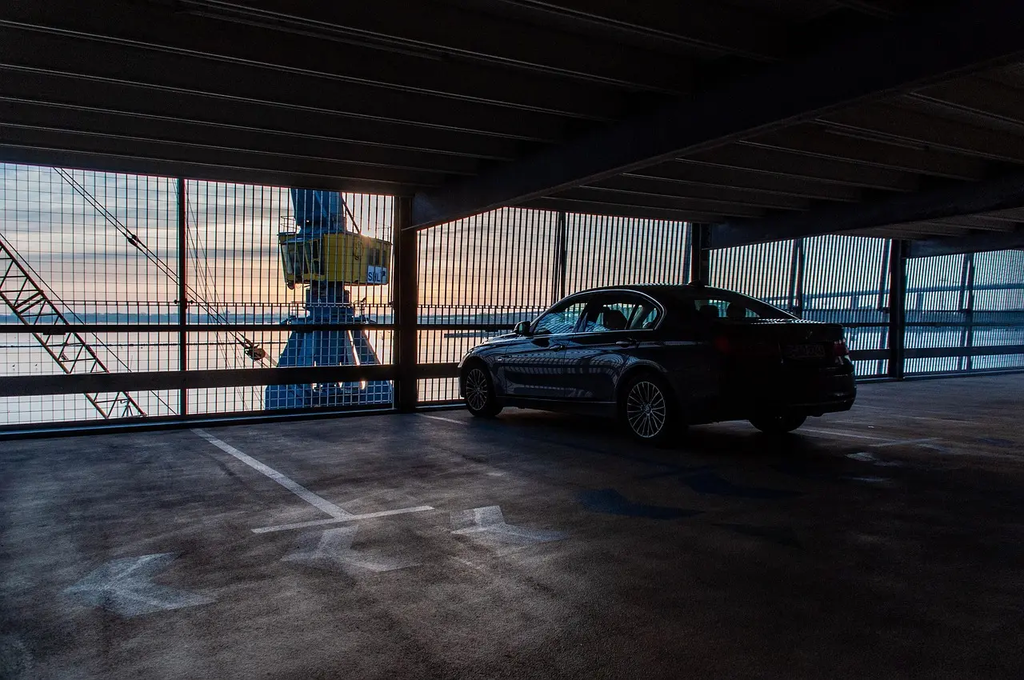
Perpendicular parking is parking at a 90-degree angle to the curb, typically in a parking lot space, driving straight into the spot.
What are the basic steps for parallel parking?
Signal, align with the target car, back up while turning toward the curb, straighten as you enter, then adjust to center the vehicle.
What are the basic steps for perpendicular parking?
Signal, align with the space, drive straight into the spot, then straighten the wheels and center your vehicle.