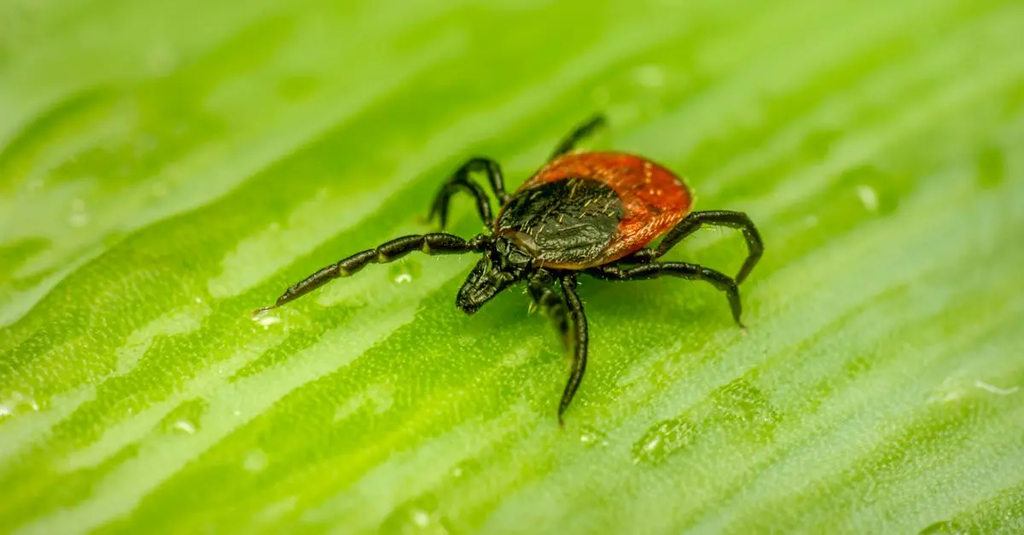
Parasite prevention refers to the measures taken to protect humans, animals, or plants from harmful organisms like worms, ticks, fleas, or protozoa that live on or inside a host. This can include regular use of medications, vaccines, maintaining hygiene, environmental control, and routine health checks. Effective parasite prevention reduces the risk of disease transmission, promotes overall health, and can prevent outbreaks or infestations in communities, homes, or agricultural settings.
Parasite Prevention
Parasite prevention refers to the measures taken to protect humans, animals, or plants from harmful organisms like worms, ticks, fleas, or protozoa that live on or inside a host. This can include regular use of medications, vaccines, maintaining hygiene, environmental control, and routine health checks. Effective parasite prevention reduces the risk of disease transmission, promotes overall health, and can prevent outbreaks or infestations in communities, homes, or agricultural settings.
💡 Key Takeaways
- Understand parasite prevention basics for people, pets, and plants (hygiene, safe food/water, and environmental controls).
- Use antiparasitic products appropriately—medications or vaccines where available and under professional guidance for pets.
- Implement environmental controls: keep spaces clean, manage waste, reduce standing water, and quarantine new plants or animals when possible.
- Recognize signs of infection and know when to seek professional help for humans, pets, or plants.
❓ Frequently Asked Questions
What is parasite prevention?
A set of actions to reduce the risk of infection or infestation by parasites (worms, ticks, fleas, protozoa) through hygiene, medications or vaccines where appropriate, environmental controls, and routine health care.
What steps can individuals take to prevent parasites?
Practice good hygiene (handwashing), ensure safe food and water, maintain sanitation, use protective measures against vectors, and follow medical or veterinary guidance on preventive medications or vaccines when appropriate.
How can pets stay parasite-free?
Use veterinarian‑recommended preventatives (flea/tick control, dewormers), keep living areas clean, maintain regular vet checkups, and treat the environment to reduce parasite habitats.
How can plants or gardens be protected from parasites?
Use clean soil and containers, rotate crops, sanitize tools, manage watering to avoid damp conditions, choose resistant varieties, and apply approved plant treatments or beneficial methods as advised.
What does environmental control involve in parasite prevention?
Reducing parasite habitats by cleaning and disinfecting spaces, eliminating standing water and pests, proper waste management, and keeping areas dry and well-maintained.