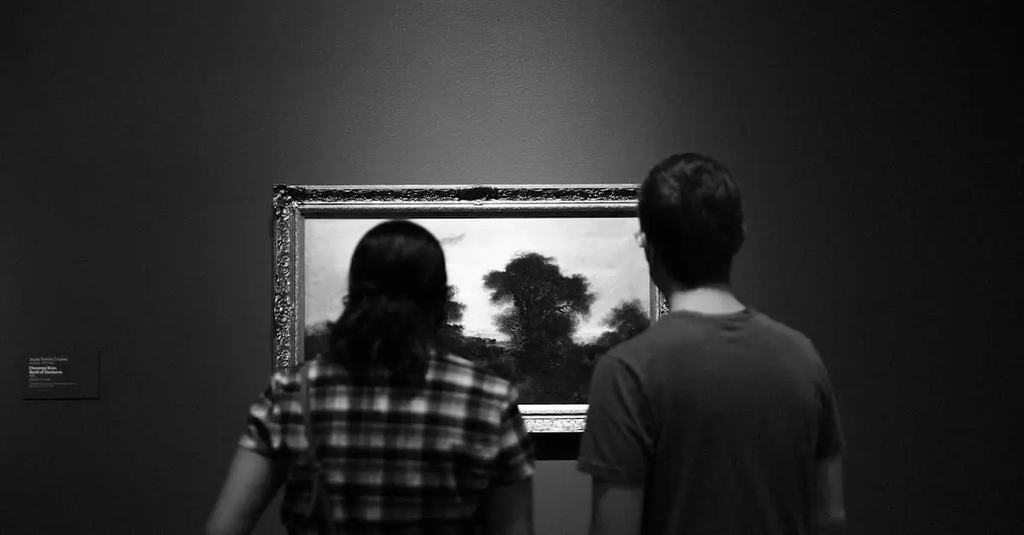
Participatory art methods involve engaging audiences directly in the creative process, inviting them to contribute ideas, actions, or physical elements to an artwork. This approach emphasizes collaboration and shared authorship between artists and participants, breaking down traditional boundaries between creator and observer. By fostering interaction, participatory art methods aim to democratize art-making, encourage community involvement, and create meaningful experiences that reflect diverse perspectives and collective creativity.
Participatory Art Methods
Participatory art methods involve engaging audiences directly in the creative process, inviting them to contribute ideas, actions, or physical elements to an artwork. This approach emphasizes collaboration and shared authorship between artists and participants, breaking down traditional boundaries between creator and observer. By fostering interaction, participatory art methods aim to democratize art-making, encourage community involvement, and create meaningful experiences that reflect diverse perspectives and collective creativity.
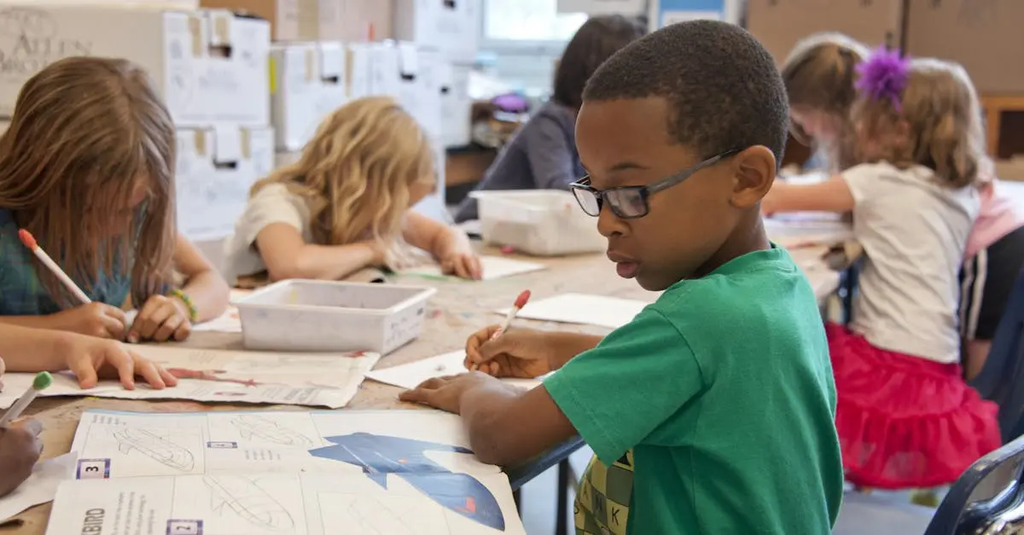
💡 Key Takeaways
- Understand how participatory art invites audience members to contribute ideas, actions, or materials, challenging traditional artist-audience roles.
- Identify common participatory methods (co-creation, crowd-sourced elements, performative actions) and how they affect authorship.
- Explain how collaboration and audience engagement influence the meaning and reception of artworks in art history and visual arts.
- Recognize practical and ethical considerations when designing participatory projects (accessibility, consent, documentation, safety, and inclusivity).
❓ Frequently Asked Questions
What is participatory art?
A practice that invites audience members to contribute ideas, actions, or physical elements to an artwork, making participants co-creators alongside the artist.
How does participatory art differ from traditional gallery viewing?
Participants actively shape the artwork rather than simply observing; the outcome depends on crowd input and collaboration.
What are common forms of participatory art?
Community murals, interactive installations, performance projects, open-call collaborations, and other works that rely on audience input.
What are key considerations when planning participatory art?
Inclusivity, accessibility, safety and logistics, clear authorship rights, and documenting the process and outcomes.