Passive House & Net-Zero Retrofits refer to upgrading existing buildings to achieve ultra-low energy use and minimal environmental impact. Passive House retrofits focus on airtightness, superior insulation, and high-performance windows to drastically reduce heating and cooling needs. Net-Zero retrofits go further, integrating renewable energy systems, such as solar panels, so the building produces as much energy as it consumes annually, resulting in significant energy savings and reduced carbon footprint.
Passive House & Net-Zero Retrofits
Passive House & Net-Zero Retrofits refer to upgrading existing buildings to achieve ultra-low energy use and minimal environmental impact. Passive House retrofits focus on airtightness, superior insulation, and high-performance windows to drastically reduce heating and cooling needs. Net-Zero retrofits go further, integrating renewable energy systems, such as solar panels, so the building produces as much energy as it consumes annually, resulting in significant energy savings and reduced carbon footprint.
💡 Key Takeaways
- Understand the goals of Passive House and Net-Zero retrofits: ultra-low energy use and minimal environmental impact.
- Identify retrofit strategies: airtight envelopes, high-performance insulation, and high-efficiency windows.
- Learn about ventilation with heat recovery and the importance of airtightness testing for comfort and air quality.
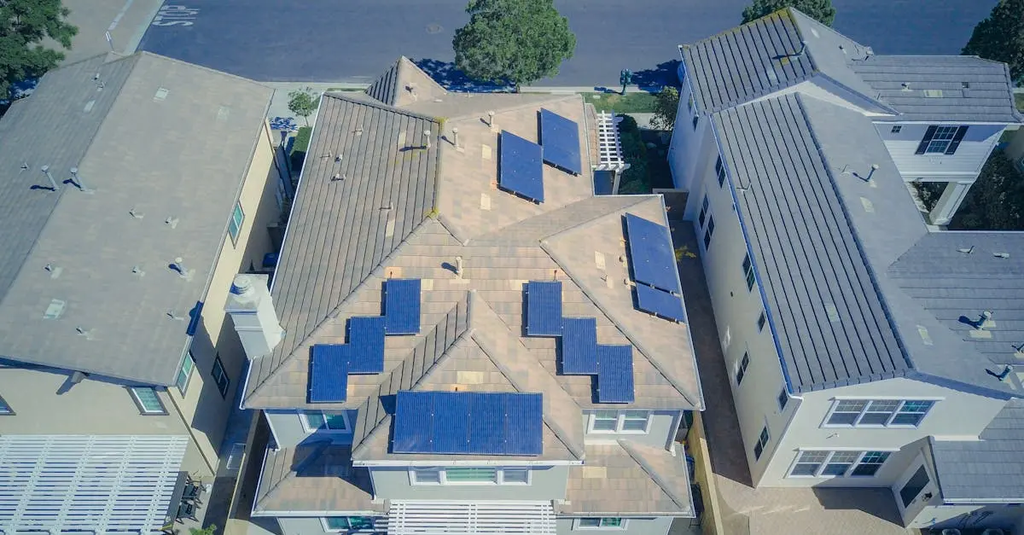
- Explore the role of on-site renewables (e.g., solar PV) and energy systems in achieving net-zero targets.
- Assess costs, payback, and long-term benefits of retrofits, including standards like Passivhaus/Passive House.
❓ Frequently Asked Questions
What is a Passive House retrofit?
A retrofit that upgrades an existing building to Passive House criteria, including airtight envelope, excellent insulation, high-performance windows, and a highly efficient ventilation system with heat recovery to drastically reduce heating and cooling needs.
What does “net-zero” mean in retrofits?
Net-zero retrofits aim to balance annual energy use with on-site renewable production (like solar) so that the building’s net energy consumption is zero or near-zero over a year.
Why are airtightness, insulation, and high-performance windows important?
They minimize heat loss and gain, reduce energy demand, prevent drafts, and keep indoor comfort steady, making the building more energy-efficient and easier to heat or cool.
What is ventilation with heat recovery and why is it used?
A system that brings in fresh air while recovering heat from exhaust air, preserving energy savings and maintaining healthy indoor air quality in airtight buildings.
Can existing homes be retrofitted to these standards, and how is it typically done?
Yes. Common approaches include airtight sealing, insulation upgrades, installing high-performance windows, upgrading HVAC, and adding on-site renewables (like solar PV) to reach net-zero goals.