Pastry arts encompass the creative and technical skills involved in making a variety of baked goods, including tarts, pies, and patisserie. Tarts and pies typically feature crisp, flaky crusts filled with sweet or savory ingredients, while patisserie refers to delicate, often elaborate French pastries such as éclairs, macarons, and mille-feuille. Mastery of pastry arts requires precision, artistry, and an understanding of textures, flavors, and presentation.
Pastry arts: tarts, pies, and patisserie
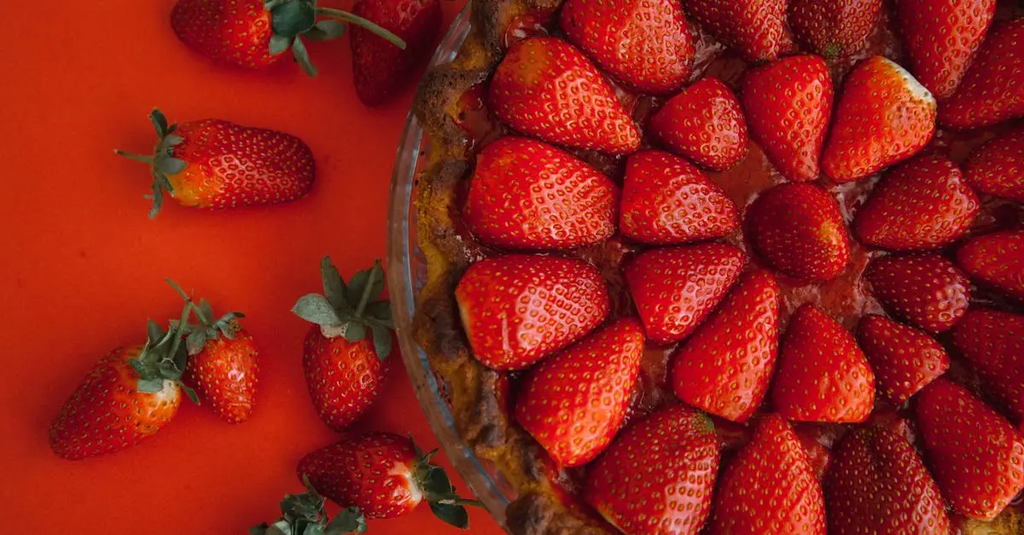
Pastry arts encompass the creative and technical skills involved in making a variety of baked goods, including tarts, pies, and patisserie. Tarts and pies typically feature crisp, flaky crusts filled with sweet or savory ingredients, while patisserie refers to delicate, often elaborate French pastries such as éclairs, macarons, and mille-feuille. Mastery of pastry arts requires precision, artistry, and an understanding of textures, flavors, and presentation.
💡 Key Takeaways
- Differentiate between tarts, pies, and patisserie, including typical crusts and fillings.
- Master core pastry techniques to create crisp, flaky crusts (shortcrust) and practice blind baking to prevent soggy bases.
- Learn how to balance sweet and savory fillings with the crusts, focusing on moisture, texture, and stability.
- Explore key patisserie techniques (glazing, piping, delicate fillings) and how they fit into British pastry traditions.
❓ Frequently Asked Questions
What is the difference between a tart and a pie?
A tart is usually open-faced with a shallow, straight-sided crust, while a pie is baked in a deeper dish and may have a top crust or lattice.
What does patisserie refer to in pastry arts?
Patisserie refers to refined French pastries and confections, made with precise techniques and often elaborate decoration.
What is blind baking and when should you use it?
Blind baking is pre-baking the crust before filling to prevent sogginess, used for custards, cream fillings, or moist fruit fillings.
What are common shortcrust doughs for tarts and pies?
Common doughs include pâte brisée (savory, crisp), pâte sucrée (sweet, cookie-like), and pâte sablée (rich, crumbly).
How is a flaky crust achieved for tarts and pies?
Keep fat cold, handle the dough minimally, and chill before baking to create separate fat pockets that puff into flaky layers.