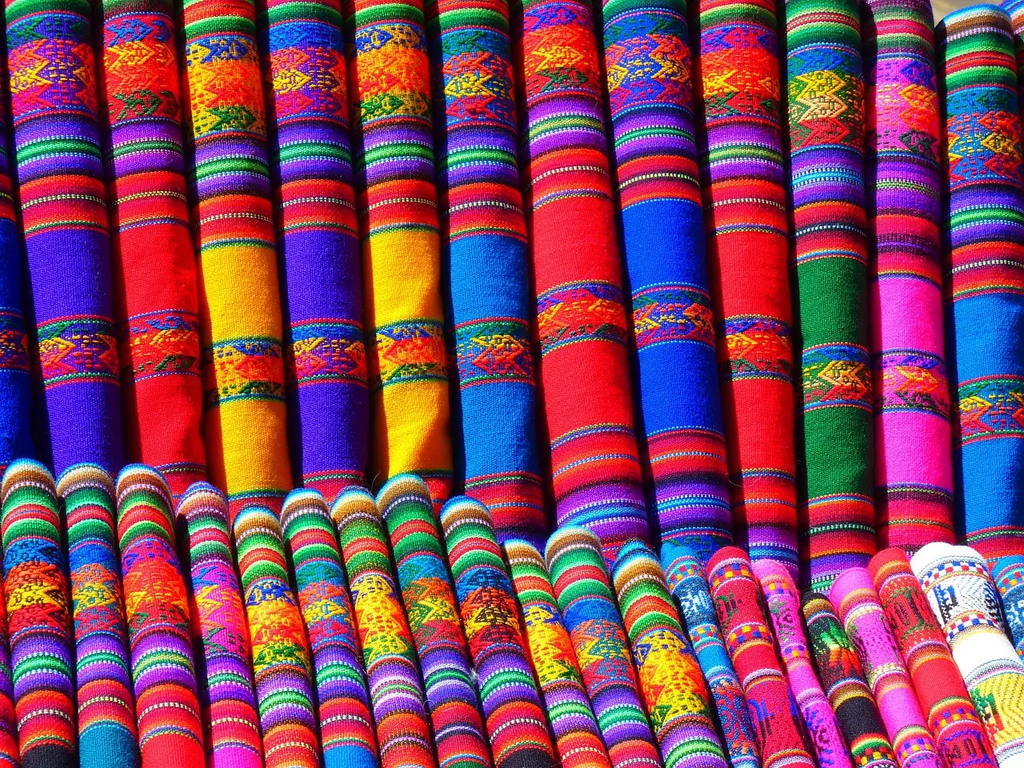
Pattern design for fabrics refers to the creative process of developing visual motifs, repeats, and arrangements that are printed, woven, or embroidered onto textiles. Designers consider color, scale, and style to produce unique or commercial patterns suited for fashion, home décor, or industrial use. This process blends artistry and technical skills, ensuring the final design enhances the fabric's aesthetic appeal while maintaining functionality and suitability for its intended purpose.
Pattern Design for Fabrics
Pattern design for fabrics refers to the creative process of developing visual motifs, repeats, and arrangements that are printed, woven, or embroidered onto textiles. Designers consider color, scale, and style to produce unique or commercial patterns suited for fashion, home décor, or industrial use. This process blends artistry and technical skills, ensuring the final design enhances the fabric's aesthetic appeal while maintaining functionality and suitability for its intended purpose.
💡 Key Takeaways
- Identify the key elements of fabric pattern design: motifs, repeats, color, scale, and style.
- Describe common pattern repeat structures (tile, half-drop, mirror) and their visual impact.
- Apply color theory to create mood-appropriate palettes for fashion, home décor, or industrial textiles.
- Understand how design choices map to production methods (printing, weaving, embroidery) and fabric constraints.
- Create a cohesive fabric pattern concept that works across different applications and production processes.
❓ Frequently Asked Questions
What is pattern design for fabrics?
Pattern design is the process of creating visual motifs and planning their arrangement (the repeat) to be printed, woven, or embroidered on textiles. Designers consider color, scale, and style for fashion, home décor, or industrial use.
What is a repeat in fabric patterns?
A repeat is the basic unit of a design that repeats across the fabric. Proper repeats ensure the motif tiles seamlessly when the pattern is printed or woven.
How do color, scale, and style affect fabric patterns?
Color influences mood and visibility; scale determines the size of motifs relative to the fabric; style guides the overall look (e.g., classic, modern, whimsical) to suit the intended use and audience.
What are common methods for applying fabric patterns?
Patterns can be applied by printing (screen or digital), weaving the design into the fabric, or adding embroidery; each method affects texture, durability, and cost.