The peace sign in activism, often shown by raising the index and middle fingers in a "V" shape, symbolizes nonviolence, unity, and a call for harmony. Frequently paired with friendly gestures like thumbs up or waving, it communicates solidarity, hope, and support for social causes. This simple yet powerful gesture has become an enduring emblem in protests, rallies, and movements advocating for justice, equality, and positive change.
Peace Sign in Activism
The peace sign in activism, often shown by raising the index and middle fingers in a "V" shape, symbolizes nonviolence, unity, and a call for harmony. Frequently paired with friendly gestures like thumbs up or waving, it communicates solidarity, hope, and support for social causes. This simple yet powerful gesture has become an enduring emblem in protests, rallies, and movements advocating for justice, equality, and positive change.
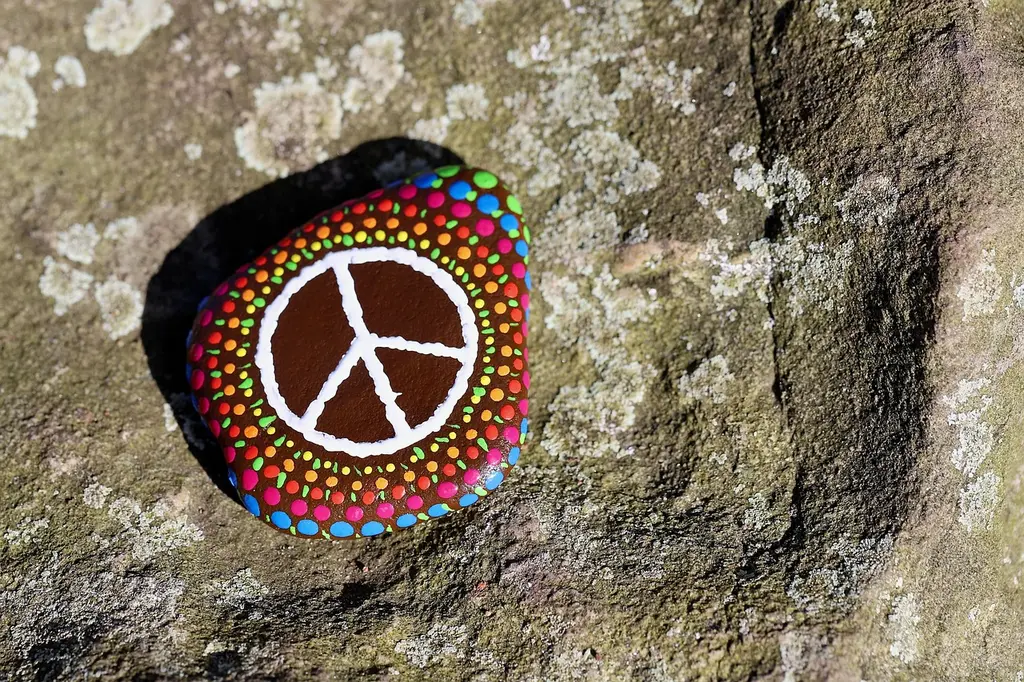
💡 Key Takeaways
- Discover the origin of the peace sign and why it became a universal symbol for pacifism.
- Learn that the symbol encodes the semaphore letters N and D, standing for nuclear disarmament.
- Explore how the peace sign is used in modern activism across issues beyond anti-war, such as climate and social justice.
- Identify best practices for using the symbol respectfully and effectively in messaging and on protests.
❓ Frequently Asked Questions
What does the peace sign symbolize in activism?
The peace sign (☮) is a global symbol of peace and nonviolence, widely used in anti-war and humanitarian movements.
Where did the peace sign originate?
It was designed in 1958 by Gerald Holtom for the British Campaign for Nuclear Disarmament, combining semaphore signals for N and D.
How is the peace sign used in modern activism?
It appears on banners, posters, apparel, social media, and protests to communicate a call for peace and disarmament.
Can the peace sign have different interpretations?
Primarily it represents peace and anti-war sentiment; in some contexts it may be linked to broader nonviolence or political messages, but it is widely understood as a peace symbol.
What are best practices for using the peace sign in campaigns?
Use it consistently with your message, respect cultural contexts, and pair with clear, inclusive messaging about peaceful goals.