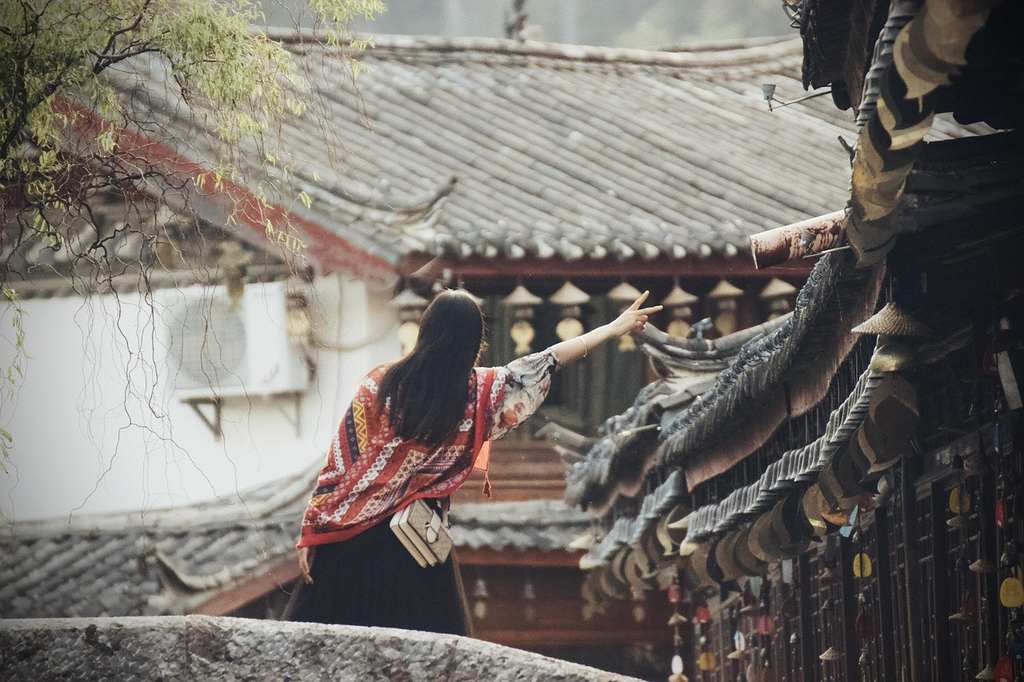
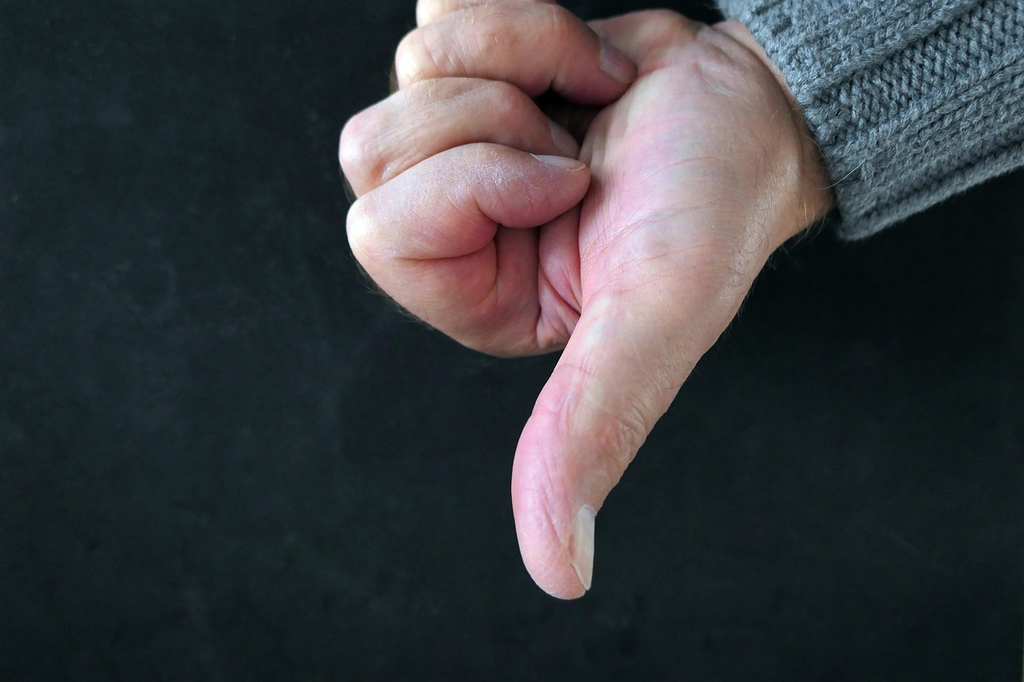
The peace sign in art, often depicted through the gesture of raising the index and middle fingers in a "V" shape, symbolizes harmony, nonviolence, and unity. Artists frequently integrate this gesture, sometimes alongside a thumbs-up or waving hand, to convey messages of goodwill, optimism, and solidarity. These hand symbols transcend language barriers, making them powerful visual tools for expressing hope and positive intentions within artistic compositions.
Peace Sign in Art
The peace sign in art, often depicted through the gesture of raising the index and middle fingers in a "V" shape, symbolizes harmony, nonviolence, and unity. Artists frequently integrate this gesture, sometimes alongside a thumbs-up or waving hand, to convey messages of goodwill, optimism, and solidarity. These hand symbols transcend language barriers, making them powerful visual tools for expressing hope and positive intentions within artistic compositions.
💡 Key Takeaways
- Learn the origin and meaning of the peace sign (designer, year, semaphore N and D, nuclear disarmament).
- Explore how the symbol appears in art and protests across cultures and media, and how context changes its meaning.
- Get practical steps to draw or recreate the symbol in different media (proportions, clean lines, color options).
- Discover design tips to integrate the peace sign into artwork with strong composition, color, and messaging.
❓ Frequently Asked Questions
What is the peace sign and where did it originate?
The peace sign was designed in 1958 by British artist Gerald Holtom for the Campaign for Nuclear Disarmament (CND). It combines the semaphore signals for N and D inside a circle, symbolizing nuclear disarmament and peace.
What do the N and D signals in the peace sign represent?
They stand for Nuclear Disarmament; Holtom merged the two semaphore signals to create a single emblem.
How is the peace sign commonly used in art?
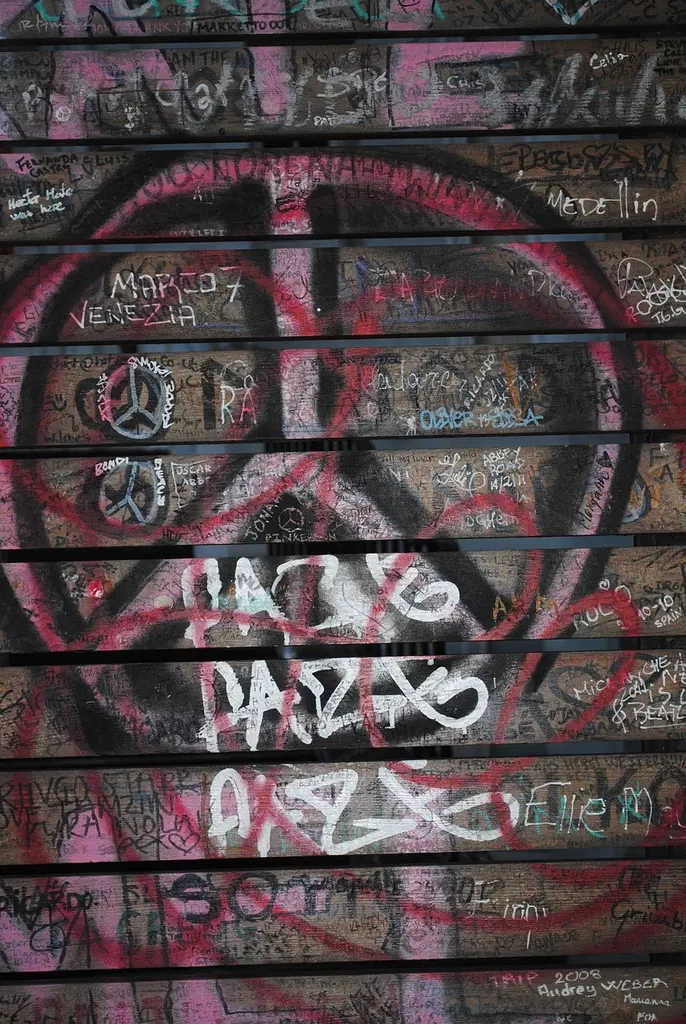
It appears in posters, murals, paintings, and digital designs to convey peace or anti‑war messages; artists vary color, size, and composition while keeping the symbol recognizable.
Why is the peace sign considered a universal symbol in art?
Because it is widely recognized across cultures and languages as a message of peace, making it effective in diverse artworks.