The peace sign, formed by raising the index and middle fingers in a V-shape, symbolizes harmony, victory, and non-violence. Often accompanied by a gentle wave or a thumbs-up, it conveys friendliness, goodwill, and solidarity. Originating as a symbol of victory during World War II, it later became associated with peace movements. Together, these gestures represent positive intentions, mutual respect, and a desire for peaceful interaction in various cultures.
Peace Sign Symbolism
The peace sign, formed by raising the index and middle fingers in a V-shape, symbolizes harmony, victory, and non-violence. Often accompanied by a gentle wave or a thumbs-up, it conveys friendliness, goodwill, and solidarity. Originating as a symbol of victory during World War II, it later became associated with peace movements. Together, these gestures represent positive intentions, mutual respect, and a desire for peaceful interaction in various cultures.
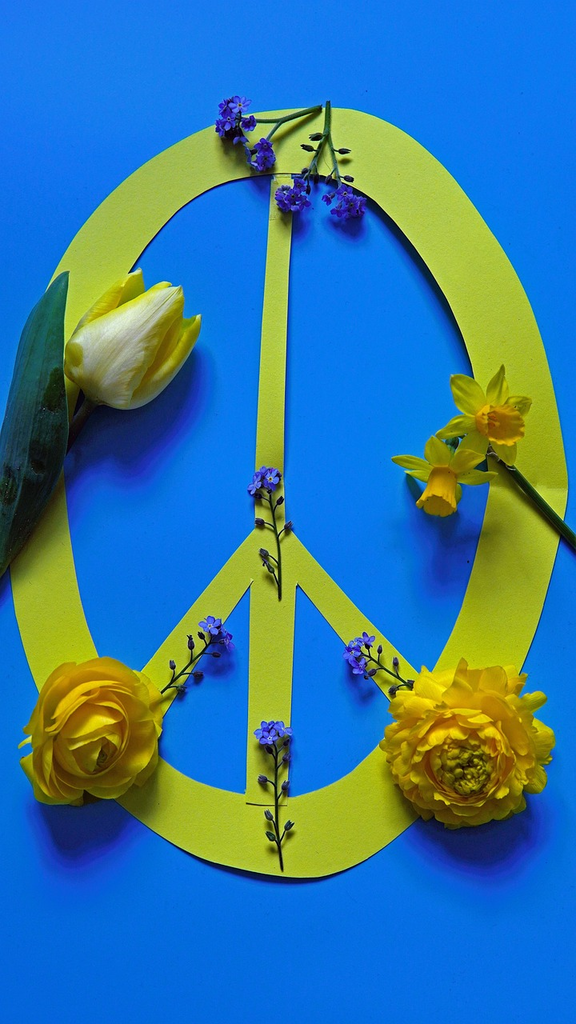
💡 Key Takeaways
- Origin: the peace sign was designed by Gerald Holtom in 1958 for nuclear disarmament.
- Design: it combines semaphore signals for N and D inside a circle.
- Evolution: it grew into a global peace emblem across movements and decades.
- Context and sensitivities: different interpretations and cultural considerations around its use.
❓ Frequently Asked Questions
What is the peace sign symbol, and who created it?
The peace sign is a circle with a pattern inside, designed in 1958 by British artist Gerald Holtom for the Campaign for Nuclear Disarmament, combining the semaphore signals for N and D (Nuclear Disarmament) inside a circle.
What do the lines in the symbol represent?
The lines are based on semaphore signaling for the letters N and D, standing for Nuclear Disarmament. The circle around them serves as a unifying frame.
When did the peace sign become popular and in what contexts?
It gained widespread use in the 1960s during anti-war protests and the broader peace movement, especially against nuclear weapons and during the Vietnam era.
Are there common misconceptions or different uses of the symbol?
While widely recognized as a symbol of peace, it has also been used in fashion and by various political causes. Its core meaning remains peace and disarmament, but usage can vary by context.