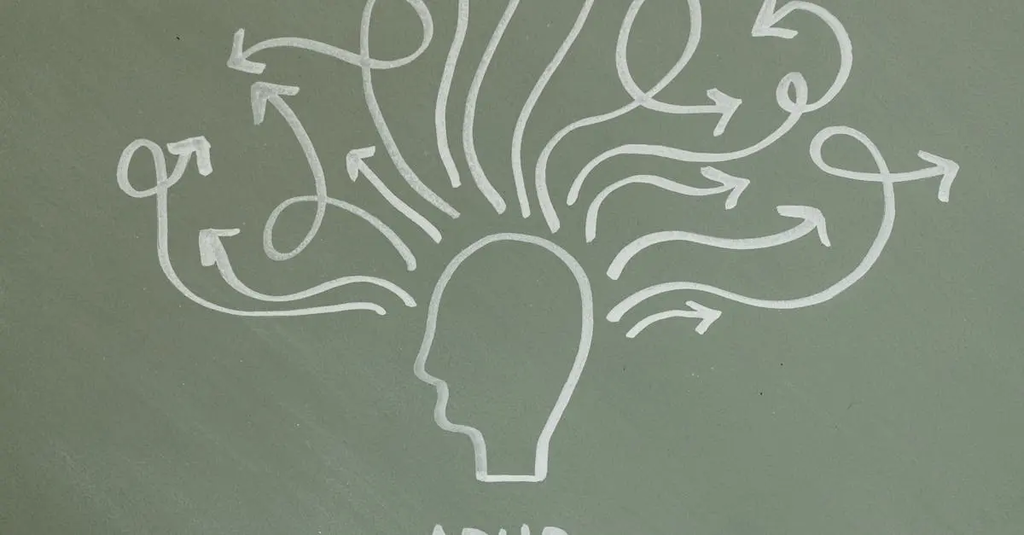
Perception and attention are fundamental cognitive processes that shape how we experience the world. Perception involves interpreting sensory information to form an understanding of our environment, while attention determines which stimuli we focus on among countless inputs. Together, they help us filter, prioritize, and make sense of information, enabling us to respond effectively to our surroundings and carry out daily tasks efficiently.
Perception and Attention
Perception and attention are fundamental cognitive processes that shape how we experience the world. Perception involves interpreting sensory information to form an understanding of our environment, while attention determines which stimuli we focus on among countless inputs. Together, they help us filter, prioritize, and make sense of information, enabling us to respond effectively to our surroundings and carry out daily tasks efficiently.

💡 Key Takeaways
- Understand how perception interprets sensory information to form a meaningful view of the environment.
- Explain how attention selects which stimuli to process and why some inputs capture our focus over others.
- Describe how bottom-up and top-down processes shape both perception and attention.
- Identify common perceptual and attentional limitations, such as inattentional blindness and change blindness, and how they influence everyday behavior.
❓ Frequently Asked Questions
What is perception?
Perception is the process of organizing and interpreting sensory information to form a meaningful understanding of our environment.
What is attention and how does it relate to perception?
Attention is the cognitive focus on a subset of stimuli, deciding what we notice. Perception then interprets the information we attend to.
What factors influence perception?
Factors include the quality of sensory input, prior knowledge and expectations, context, culture, and how attention is allocated.
What are common types of attention?
Common types include selective attention, sustained attention, and divided or alternating attention; misdirected attention can lead to phenomena like inattentional blindness.
Why are perception and attention important for learning and everyday tasks?
They shape what we notice, interpret, and remember, affecting learning, decision-making, safety, and communication.