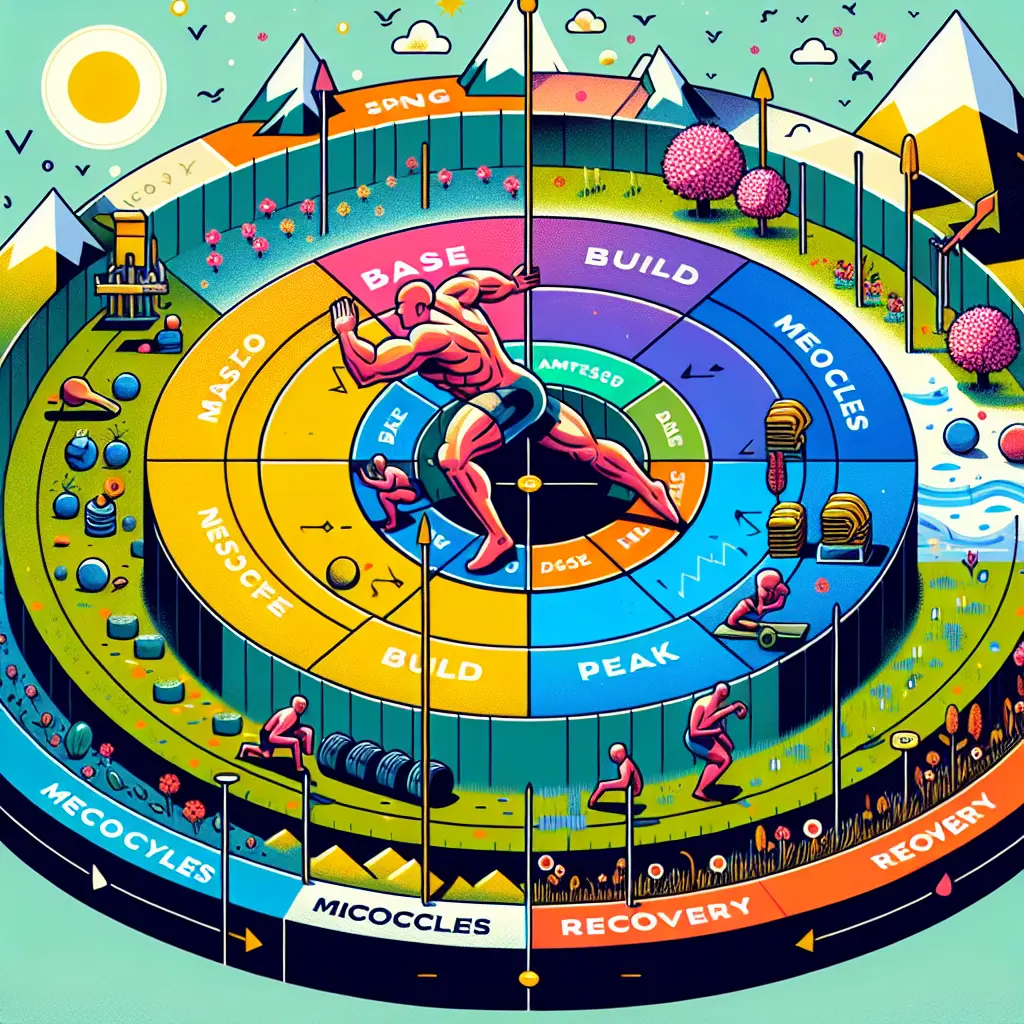
Periodization and season planning refer to the systematic organization of training into distinct phases throughout a season to optimize athletic performance and reduce injury risk. Periodization involves dividing the year into cycles—preparatory, competitive, and transition—each with specific goals and training intensities. Season planning aligns these cycles with competition dates, ensuring athletes peak at the right time. Together, they provide structure, progression, and recovery, enhancing overall effectiveness and long-term development.
Periodization & Season Planning
Periodization and season planning refer to the systematic organization of training into distinct phases throughout a season to optimize athletic performance and reduce injury risk. Periodization involves dividing the year into cycles—preparatory, competitive, and transition—each with specific goals and training intensities. Season planning aligns these cycles with competition dates, ensuring athletes peak at the right time. Together, they provide structure, progression, and recovery, enhancing overall effectiveness and long-term development.
💡 Key Takeaways
- Understand how periodization structures a football season into distinct phases to optimize performance and minimize injury risk
- Identify the three cycles: preparatory, competitive, and transition, and their primary objectives
- Learn how training load, intensity, and recovery are managed across cycles to balance fitness gains and injury prevention
- See how to integrate technical, tactical, and physical training within each phase of the season
- Develop a simple, phased season plan with goals and progression for a team or player
❓ Frequently Asked Questions
What is periodization in football?
A systematic plan to organize training and competition across a season by dividing the year into phases to optimize performance and reduce fatigue and injury risk.
What are the three main phases of periodization in football?
Preparatory (base fitness and skills), Competitive (peaking for matches), and Transition (rest or active recovery after the season).
Why is periodization helpful for injury risk management?
It gradually increases training load, includes rest periods, and aligns intensity with players’ fitness to prevent overtraining and overuse injuries.
How does season planning balance training load with match demands?
By scheduling training volume and intensity around fixtures, tapering before key games, and ensuring adequate recovery so players stay fresh for important matches.