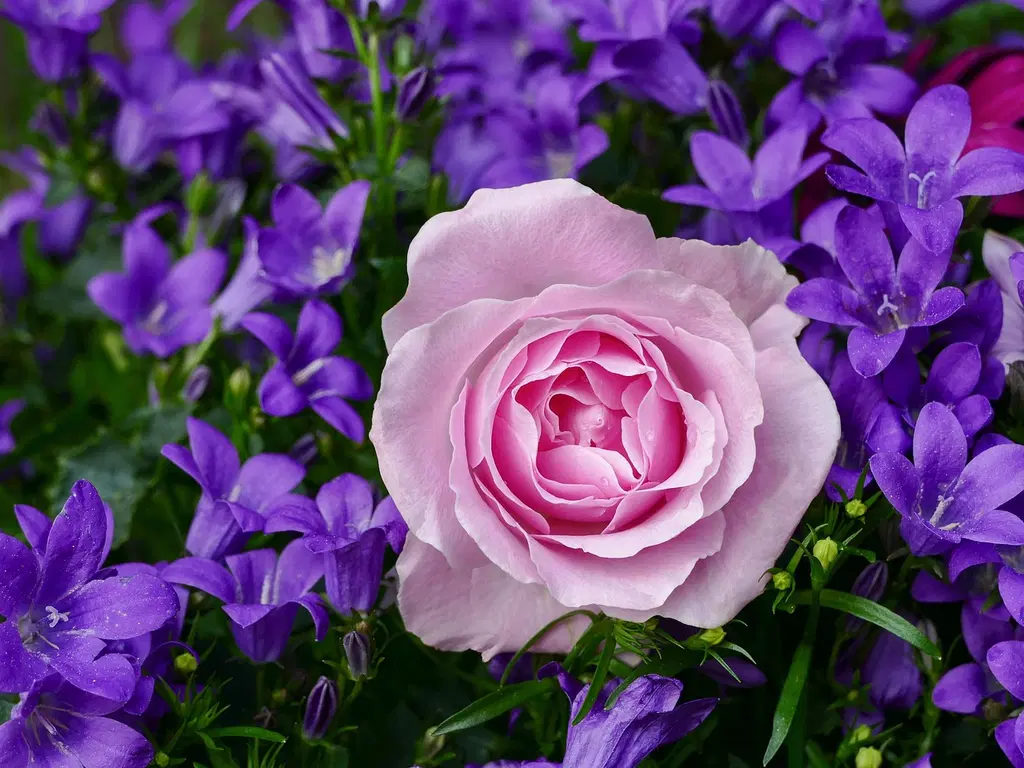
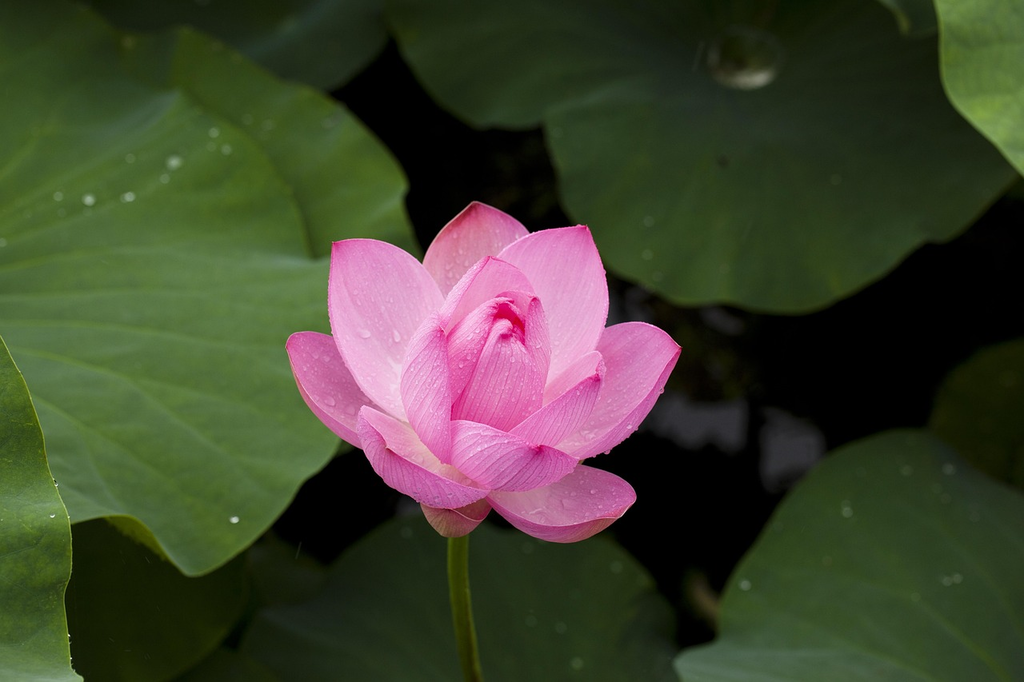
Pest management in lotuses, especially when considering flower blooms like roses and lotuses, involves monitoring for common pests such as aphids, beetles, and caterpillars that can damage leaves and flowers. Integrated pest management practices include regular inspection, removal of affected plant parts, use of natural predators, and applying eco-friendly pesticides when necessary. Maintaining good water quality and plant health also helps reduce pest infestations, ensuring vibrant and healthy blooms.
Pest Management in Lotuses
Pest management in lotuses, especially when considering flower blooms like roses and lotuses, involves monitoring for common pests such as aphids, beetles, and caterpillars that can damage leaves and flowers. Integrated pest management practices include regular inspection, removal of affected plant parts, use of natural predators, and applying eco-friendly pesticides when necessary. Maintaining good water quality and plant health also helps reduce pest infestations, ensuring vibrant and healthy blooms.
💡 Key Takeaways
- Identify common lotus pests (e.g., aphids, snails) and early signs of damage on leaves and stems
- Apply integrated pest management (IPM) for lotus, combining cultural, mechanical, and biological controls to minimize damage
- Use safe, targeted interventions and proper timing for pesticides when necessary, with consideration for aquatic environments
- Implement preventive measures such as pond hygiene, appropriate plant spacing, and regular monitoring to reduce pest outbreaks
❓ Frequently Asked Questions
What pests commonly affect lotus plants?
Aphids, scale insects, spider mites, leafhoppers, and caterpillars are common lotus pests; they suck sap and can cause yellowing, distortion, and honeydew.
How can you identify pest damage on lotus leaves?
Look for yellowing or curling leaves, stunted growth, visible pests on undersides, sticky honeydew, and sometimes sooty mold on foliage.
What are effective non-chemical pest management methods for lotus?
Regular scouting, manual removal of infested leaves, maintaining good water quality and spacing, and promoting natural predators (e.g., beneficial insects) or using physical barriers.
When should chemical controls be used and what guidelines apply?
Only as a last resort. Use products labeled for aquatic plants, apply narrowly to affected areas, avoid contaminating water, follow label directions, and prefer targeted, non-broad-spectrum options.
How can I prevent pest outbreaks in lotus plants?
Keep plants healthy with appropriate light and nutrients, avoid over-fertilization, remove debris, quarantine new plants, and monitor regularly to catch problems early.