Pet first aid refers to the immediate care and assistance provided to pets experiencing injury or sudden illness before professional veterinary help is available. It includes essential actions such as stopping bleeding, performing CPR, treating wounds, managing choking, and stabilizing fractures. Knowing pet first aid helps pet owners respond quickly in emergencies, potentially saving their pet’s life and minimizing complications until they can reach a veterinarian for further treatment.
Pet First Aid
Pet first aid refers to the immediate care and assistance provided to pets experiencing injury or sudden illness before professional veterinary help is available. It includes essential actions such as stopping bleeding, performing CPR, treating wounds, managing choking, and stabilizing fractures. Knowing pet first aid helps pet owners respond quickly in emergencies, potentially saving their pet’s life and minimizing complications until they can reach a veterinarian for further treatment.
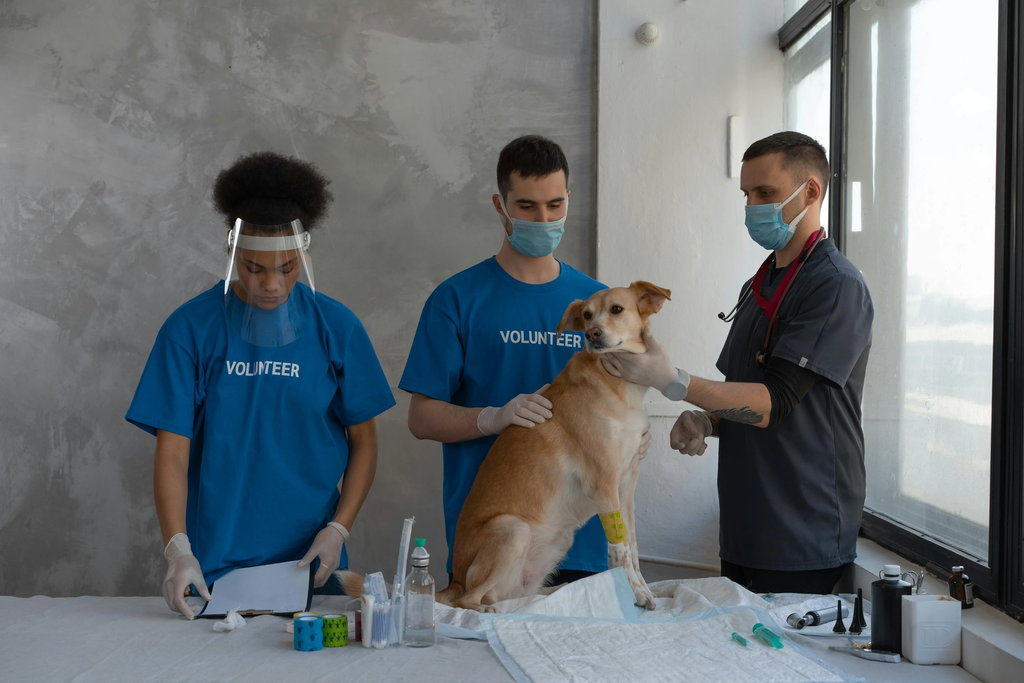
💡 Key Takeaways
- Identify signs of common pet emergencies and know when to seek urgent veterinary care.
- Describe essential first-aid actions you can perform, such as stopping bleeding, basic wound care, and safe choking management.
- Understand the basics of pet CPR and how to stabilize suspected fractures until professional help arrives.
- Learn safety tips and preparedness steps, including how to assemble a simple pet first-aid kit and when to contact a vet or emergency clinic.
❓ Frequently Asked Questions
What is the purpose of pet first aid?
Pet first aid provides immediate, temporary care to a pet after injury or sudden illness until a veterinarian can treat them, helping to stabilize them and prevent further harm.
How should you stop bleeding from a wound on a pet?
Apply direct pressure to the wound with a clean cloth or gauze, maintaining pressure for several minutes. If bleeding is heavy or doesn’t stop, seek veterinary care promptly.
When should you perform CPR on a pet, and what does it involve at a high level?
Begin CPR if the pet has no breathing and no pulse. This should be done only if you’re trained or following veterinary guidance. Proper technique varies by size, so professional instruction is recommended.
How do you handle choking or airway obstruction in a pet?
Check for a visible object in the mouth and remove it if safe. If the pet cannot breathe, seek emergency veterinary help immediately and avoid delays in transport.
How can you stabilize a suspected fracture before reaching a vet?
Keep the pet as still as possible and limit movement. If feasible, immobilize the injured limb with a gentle splint or sling and transport the pet to a veterinarian promptly.