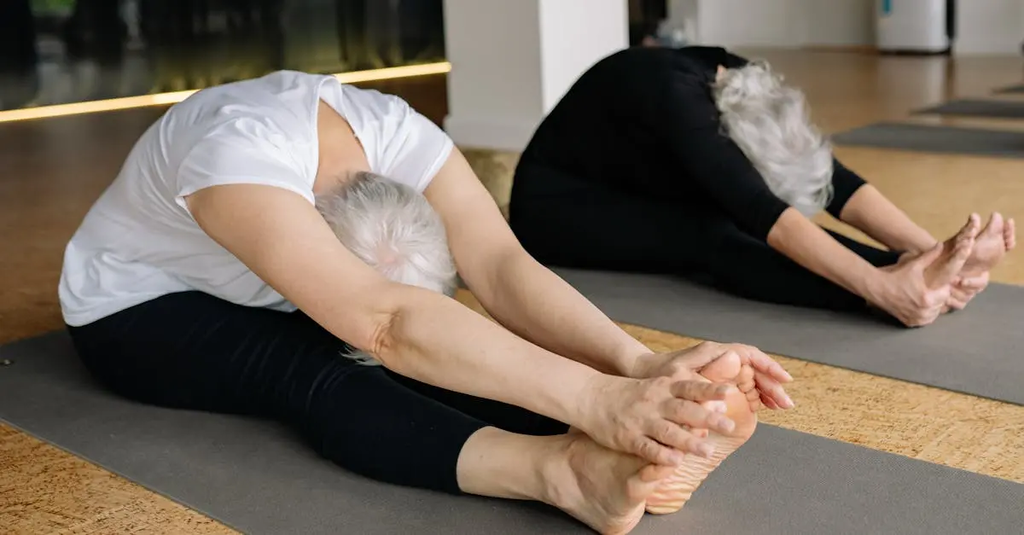
Physical activity basics refer to fundamental concepts and practices related to moving your body to improve health and fitness. This includes understanding different types of physical activities, such as aerobic, strength, flexibility, and balance exercises. It also involves knowing the recommended frequency, intensity, and duration for various age groups. Practicing these basics helps maintain a healthy weight, strengthens muscles and bones, boosts mental health, and reduces the risk of chronic diseases.
Physical Activity Basics+50
Physical activity basics refer to fundamental concepts and practices related to moving your body to improve health and fitness. This includes understanding different types of physical activities, such as aerobic, strength, flexibility, and balance exercises. It also involves knowing the recommended frequency, intensity, and duration for various age groups. Practicing these basics helps maintain a healthy weight, strengthens muscles and bones, boosts mental health, and reduces the risk of chronic diseases.

💡 Key Takeaways
- Identify the four main types of physical activity—aerobic, strength, flexibility, and balance—and provide simple examples for each.
- Understand the basic structure of a workout (warm-up, main activity, cool-down) and key safety considerations.
- Learn general guidelines for weekly activity and how to set achievable fitness targets based on your level.
- Discover practical ways to fit activity into daily life and start a sustainable, beginner-friendly routine.
❓ Frequently Asked Questions
What are the four main types of physical activity?
Aerobic (cardio), strength (resistance), flexibility (stretching), and balance (stability) exercises.
What is aerobic exercise?
Activities that raise heart rate and breathing for an extended period, such as brisk walking, cycling, or swimming.
How much exercise is recommended for adults each week?
At least 150 minutes of moderate-intensity aerobic activity or 75 minutes of vigorous activity, plus 2+ days of strength training.
Why is strength training important?
It builds muscle and bone strength, supports metabolism, and improves daily functioning.
How can you add balance and flexibility to a routine?
Include balance exercises (e.g., standing on one leg) and flexibility work (stretching or yoga) a few times per week.