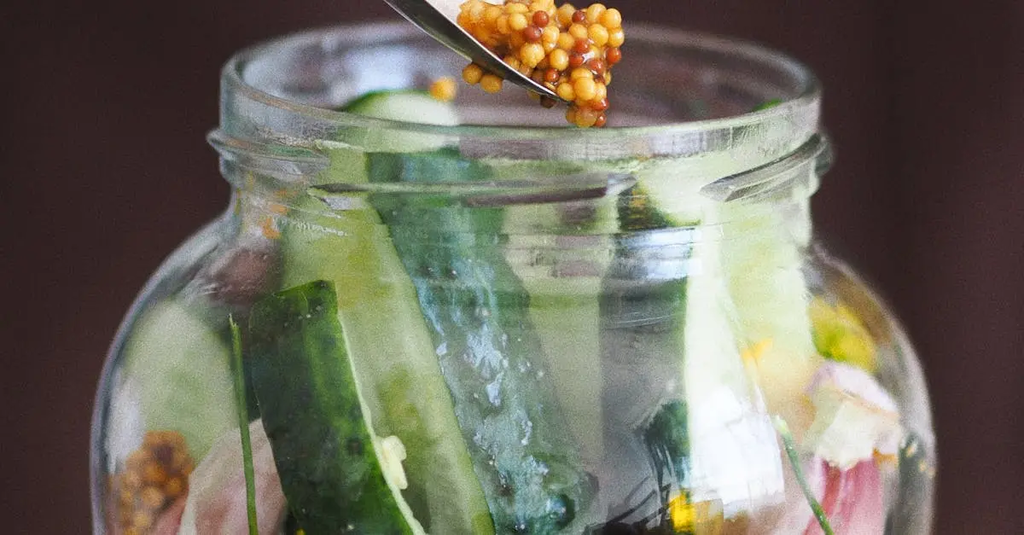
Pickling and preserving are traditional methods used to extend the shelf life of foods. Pickling involves soaking fruits or vegetables in a solution of vinegar or brine, which prevents spoilage by inhibiting bacterial growth. Preserving includes a broader range of techniques, such as canning, fermenting, or using sugar, to maintain food quality and safety over time. Both methods enhance flavors and allow seasonal produce to be enjoyed year-round.
Pickling and Preserving
Pickling and preserving are traditional methods used to extend the shelf life of foods. Pickling involves soaking fruits or vegetables in a solution of vinegar or brine, which prevents spoilage by inhibiting bacterial growth. Preserving includes a broader range of techniques, such as canning, fermenting, or using sugar, to maintain food quality and safety over time. Both methods enhance flavors and allow seasonal produce to be enjoyed year-round.
💡 Key Takeaways
- Differentiate between pickling and other preservation methods (e.g., canning, fermentation) and know when each is most appropriate.
- Explain how acidity, salt, sugar, and anaerobic conditions help inhibit spoilage microbes to extend shelf life.
- Describe basic pickling approaches: vinegar-based quick pickling and salt/brine fermentation, including typical flavoring additives.
- Identify essential food-safety practices for home preservation, including clean equipment, correct acidity/processing guidelines, proper storage, and spoilage signs.
❓ Frequently Asked Questions
What is pickling?
Pickling is a preservation method that stores foods in vinegar or a salt brine to slow spoilage by inhibiting bacterial growth.
What does preserving include beyond pickling?
Preserving is broader and includes canning, fermentation, drying, smoking, and freezing to extend a food's shelf life.
How do vinegar or brine help keep food safe?
Vinegar creates acidity and salt reduces water activity, both of which hinder bacterial growth and slow spoilage.
What safety practices should you follow when pickling or preserving at home?
Use tested recipes, keep equipment clean, follow proper acidity and processing times, ensure jars seal, and refrigerate opened products.