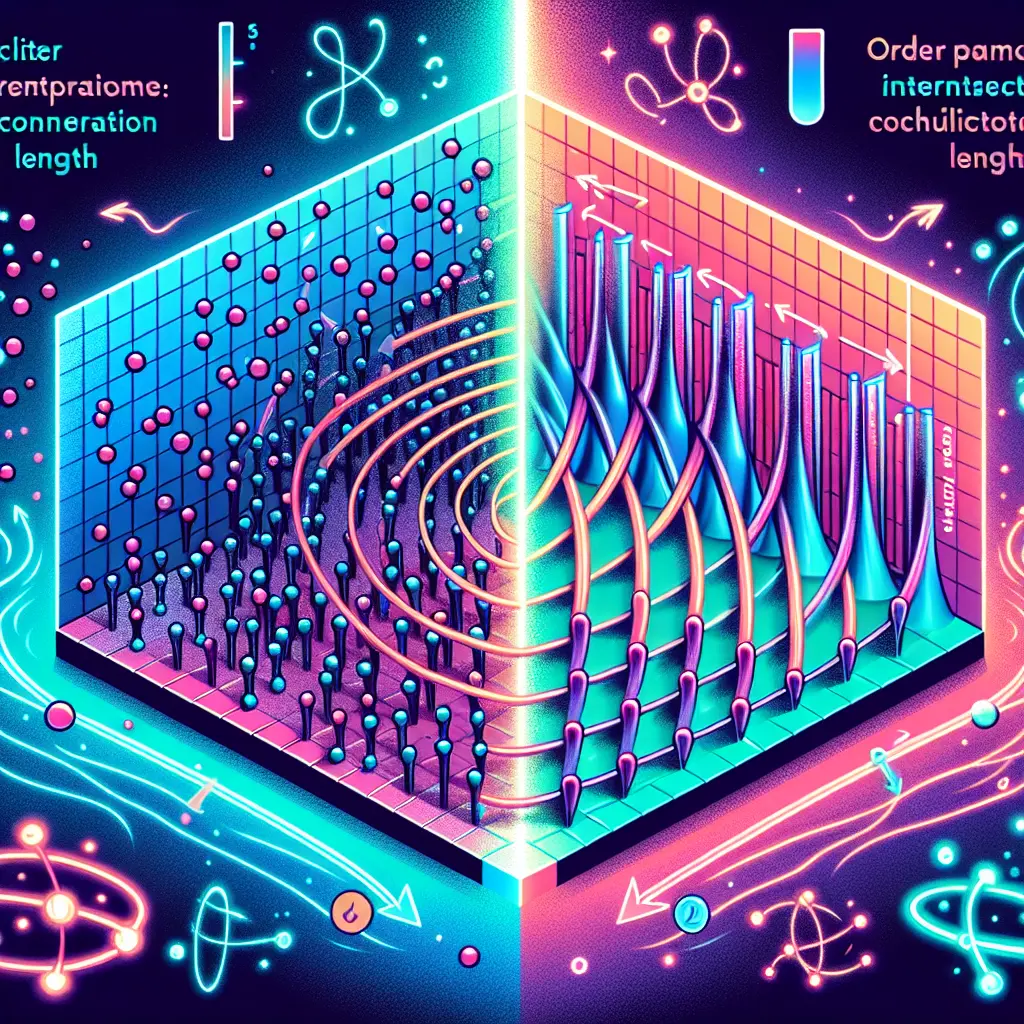
Plasma physics fundamentals encompass the basic principles governing the behavior of plasma, the fourth state of matter. These include concepts such as ionization, Debye shielding, collective interactions, and electromagnetic effects. Fundamental topics also cover plasma oscillations, waves, and instabilities. Understanding these principles is essential for applications ranging from controlled nuclear fusion and astrophysics to industrial processes and space science, as plasma exhibits unique properties distinct from solids, liquids, and gases.
Plasma Physics Fundamentals
Plasma physics fundamentals encompass the basic principles governing the behavior of plasma, the fourth state of matter. These include concepts such as ionization, Debye shielding, collective interactions, and electromagnetic effects. Fundamental topics also cover plasma oscillations, waves, and instabilities. Understanding these principles is essential for applications ranging from controlled nuclear fusion and astrophysics to industrial processes and space science, as plasma exhibits unique properties distinct from solids, liquids, and gases.

💡 Key Takeaways
- Define plasma and explain how ionization creates the fourth state of matter.
- Describe Debye shielding and its effect on electric fields in plasmas.
- Explain collective interactions and plasma oscillations, including basic plasma waves.
- Explain how electromagnetic fields influence plasma behavior, including waves and possible instabilities.
❓ Frequently Asked Questions
What is plasma?
Plasma is the fourth state of matter: an ionized gas containing free electrons and ions that interact collectively through electromagnetic fields.
What is ionization in plasma physics?
Ionization is the process of removing electrons from atoms or molecules to create free charged particles; it can occur via heat, radiation, or collisions and determines a plasma’s conductivity and behavior.
What is Debye shielding and why does it matter?
Debye shielding is the screening of electric fields in a plasma by mobile charges. The Debye length is the characteristic distance over which potentials are screened, leading to quasi-neutral behavior beyond that scale.
What are plasma oscillations and collective interactions?
Plasma supports collective motions of many charges due to long-range electromagnetic forces. For example, electrons can oscillate against the ion background at the plasma frequency, giving rise to waves and various instabilities.