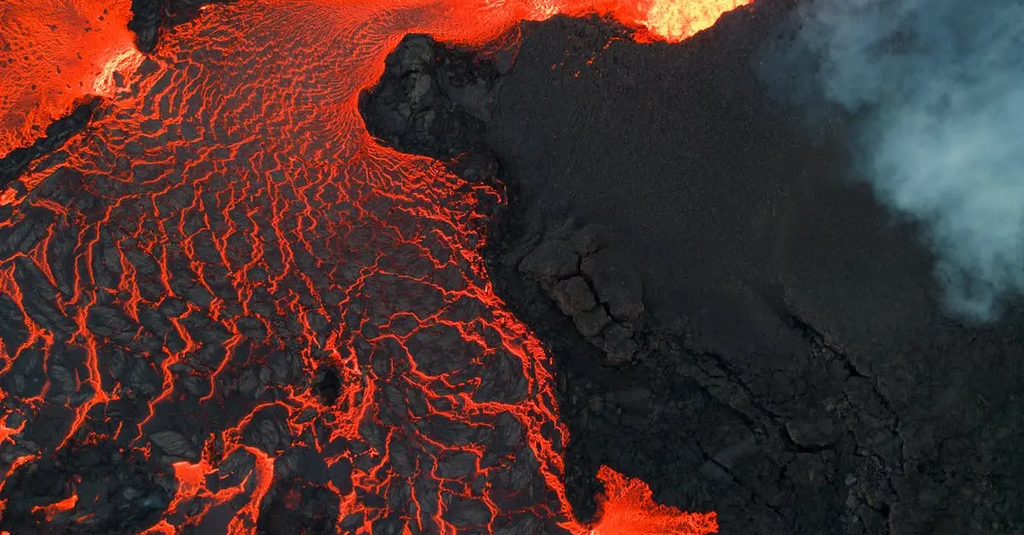
Plate tectonics is the scientific theory explaining the movement of Earth's lithospheric plates, which shapes continents, forms mountains, and triggers earthquakes. The rock cycle describes how rocks transform between igneous, sedimentary, and metamorphic forms through processes like melting, cooling, erosion, and pressure. Together, plate tectonics and the rock cycle illustrate how Earth's surface continuously changes, recycling materials and driving geological activity over millions of years.
Plate Tectonics & Rock Cycle
Plate tectonics is the scientific theory explaining the movement of Earth's lithospheric plates, which shapes continents, forms mountains, and triggers earthquakes. The rock cycle describes how rocks transform between igneous, sedimentary, and metamorphic forms through processes like melting, cooling, erosion, and pressure. Together, plate tectonics and the rock cycle illustrate how Earth's surface continuously changes, recycling materials and driving geological activity over millions of years.
💡 Key Takeaways
- Explain how Earth's lithospheric plates move and interact at boundaries to shape continents, mountains, and oceans.
- Describe how plate movements trigger earthquakes and volcanic activity at divergent, convergent, and transform boundaries.
- Outline the rock cycle and how rocks transform among igneous, sedimentary, and metamorphic forms through processes like melting, cooling, weathering, erosion, and metamorphism.
- Connect plate tectonics to Earth's geological history by showing how tectonic processes influence rock formation and surface features.
❓ Frequently Asked Questions
What is plate tectonics?
Plate tectonics is the theory that Earth's lithosphere is divided into moving plates that drift over the mantle. Their interactions shape continents and mountains and cause earthquakes and volcanoes.
What are the main plate boundary types and their features?
Divergent boundaries push plates apart (mid‑ocean ridges), convergent boundaries collide (subduction zones and mountain belts), and transform boundaries slide plates past each other (fault lines). Each type yields different geologic activity.
How do plate motions create mountains and earthquakes?
Collisions and interactions at boundaries uplift crust to form mountains; rocks store energy and rupture at faults, causing earthquakes. Subduction can also drive volcanic activity.
What is the rock cycle and its three main rock types?
The rock cycle describes rocks transforming among igneous, sedimentary, and metamorphic forms through melting, cooling, weathering/erosion, deposition, burial, and metamorphism.