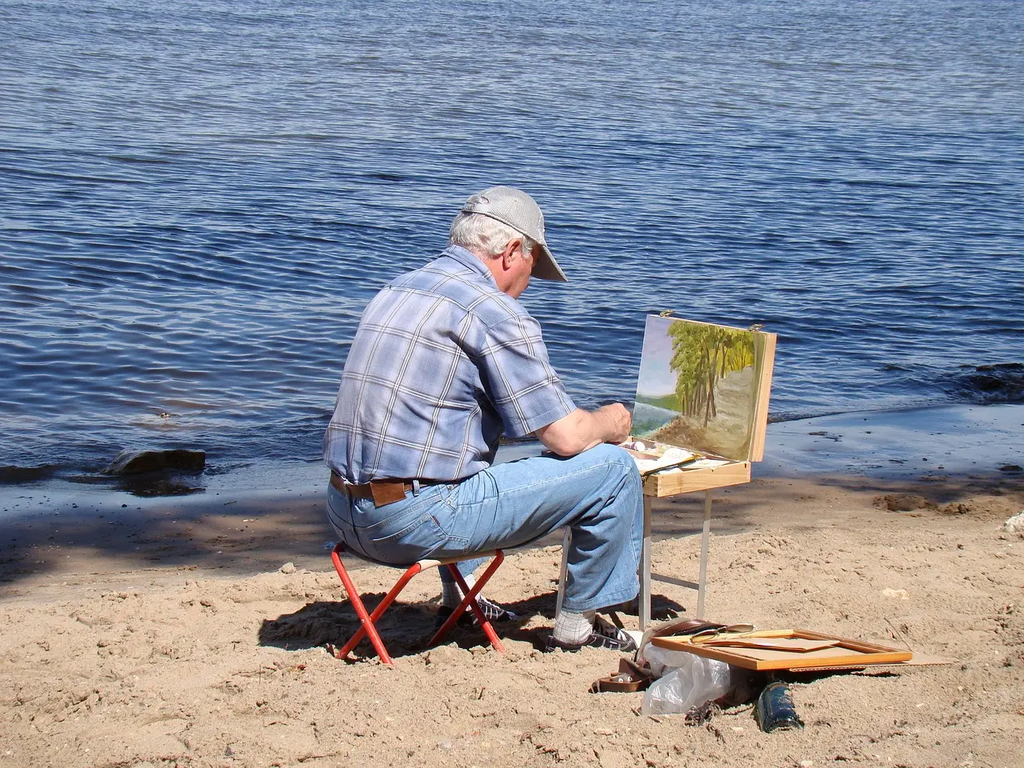
Plein air painting practices involve creating artwork outdoors, directly observing the landscape or subject in natural light. This approach emphasizes capturing the fleeting effects of atmosphere, light, and color, often resulting in spontaneous and lively brushwork. Artists typically work quickly to record changing conditions, using portable easels and minimal supplies. Plein air painting fosters a direct connection with nature and encourages artists to interpret scenes with immediacy and authenticity.
Plein Air Painting Practices
Plein air painting practices involve creating artwork outdoors, directly observing the landscape or subject in natural light. This approach emphasizes capturing the fleeting effects of atmosphere, light, and color, often resulting in spontaneous and lively brushwork. Artists typically work quickly to record changing conditions, using portable easels and minimal supplies. Plein air painting fosters a direct connection with nature and encourages artists to interpret scenes with immediacy and authenticity.
💡 Key Takeaways
- Understand how natural light changes color, value, and mood in outdoor scenes.
- Practice quick composition and value studies to capture the scene before light shifts.
- Use portable gear and an efficient setup to paint outdoors without slowing you down.
- Develop loose, spontaneous brushwork and a limited palette to convey atmosphere and immediacy.
❓ Frequently Asked Questions
What is plein air painting?
Plein air painting is creating artwork outdoors by observing a landscape or subject in natural light, aiming to capture atmosphere, light, and color on site.
Why is light and atmosphere important in plein air?
Natural light and atmosphere create shifting colors, values, and moods. Changes in sun, weather, and shadows influence how the scene is painted.
What basic gear should beginners bring for plein air?
A portable setup (easel or sketchbook), your chosen paints and brushes or pencils, a support (canvas or paper), a palette, a container for water or solvent, and a bag to carry supplies.
How can you handle changing conditions while painting outdoors?
Plan a quick composition, block in shapes first, use a limited palette, and aim to finish or wrap up before light or weather shifts significantly.