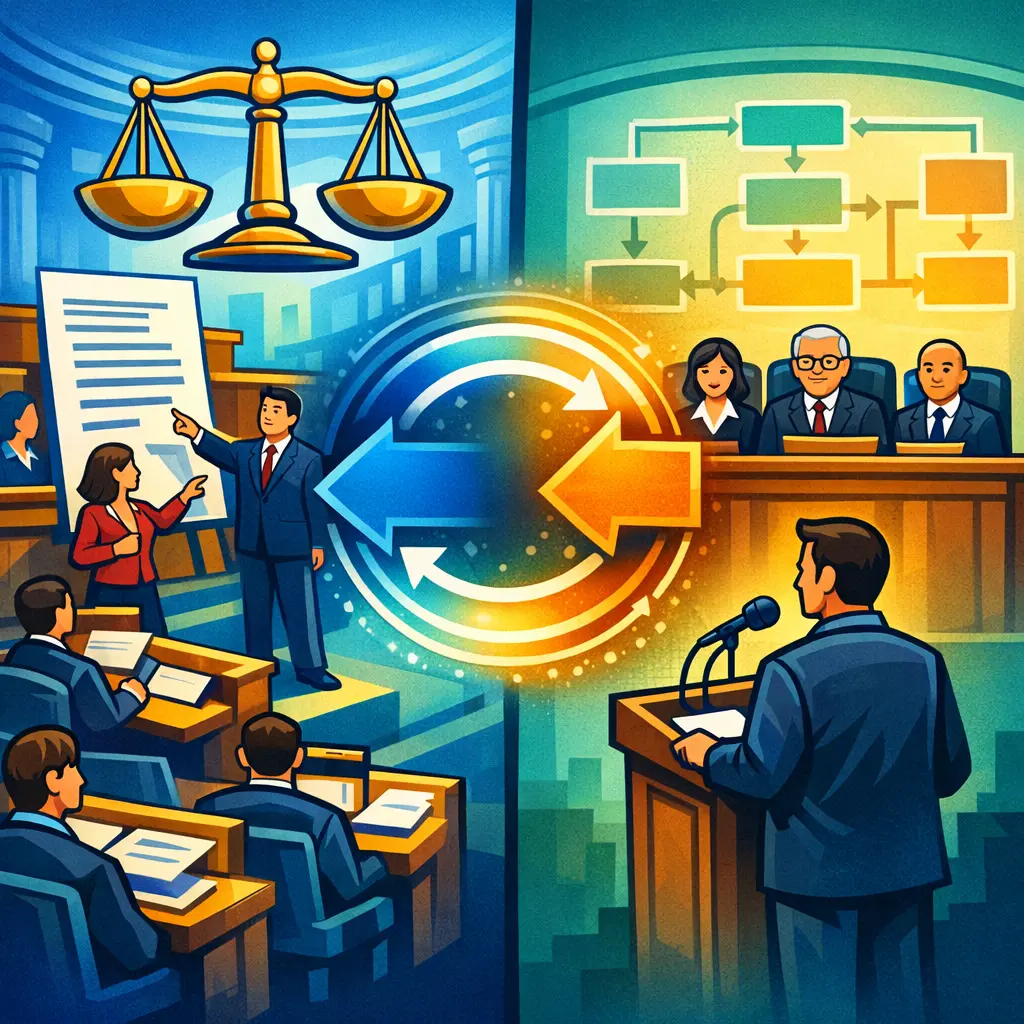
Policing & Forensics Basics (Law, Government & Public Service) refers to the foundational principles and practices involved in law enforcement and forensic science. It covers the roles and responsibilities of police officers, legal frameworks, investigative procedures, and the application of scientific methods to solve crimes. This area emphasizes the importance of public safety, evidence collection, analysis, and the ethical standards required for effective service within the justice system and government institutions.
Policing & Forensics Basics+50
Policing & Forensics Basics (Law, Government & Public Service) refers to the foundational principles and practices involved in law enforcement and forensic science. It covers the roles and responsibilities of police officers, legal frameworks, investigative procedures, and the application of scientific methods to solve crimes. This area emphasizes the importance of public safety, evidence collection, analysis, and the ethical standards required for effective service within the justice system and government institutions.
💡 Key Takeaways
- Understand the basic roles of policing and forensic science in investigations.
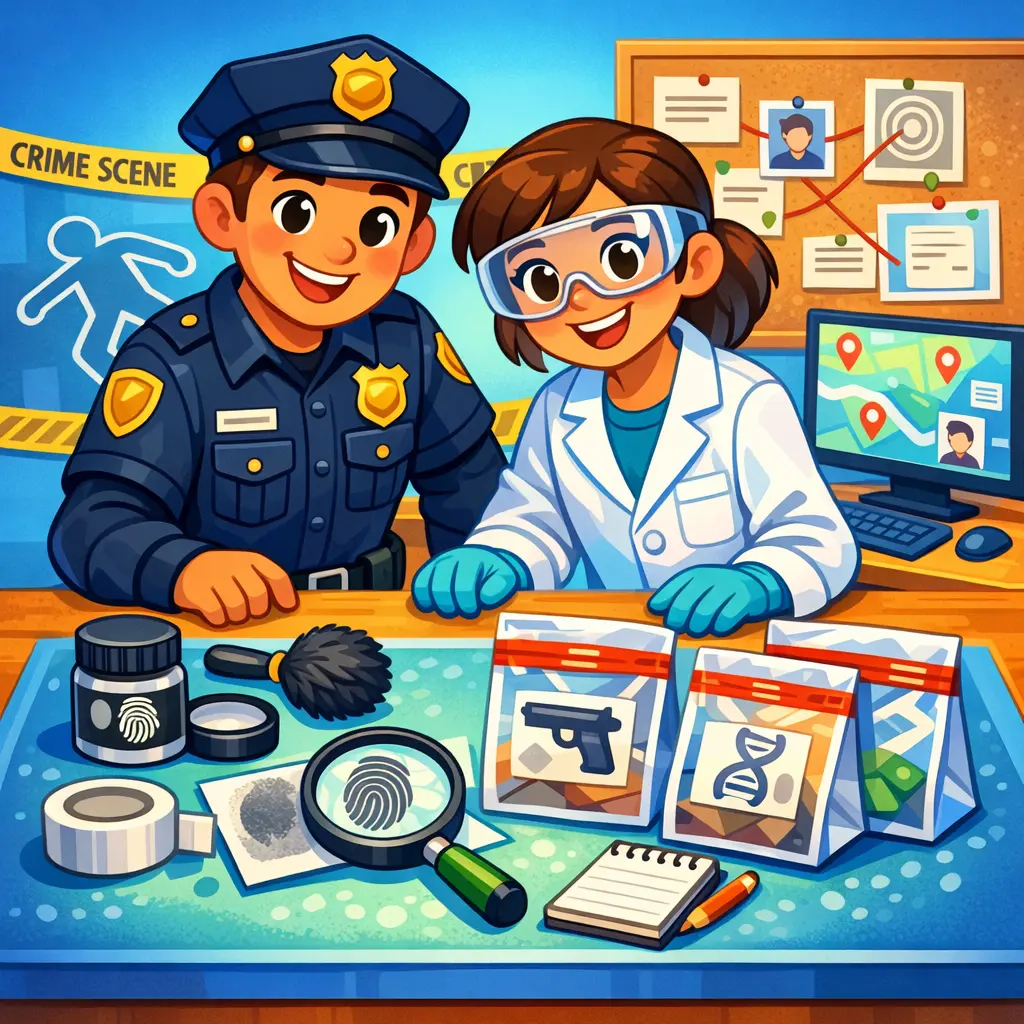
- Learn how crime scenes are secured, documented, and evidence collected.
- Identify common types of evidence (physical, digital) and how investigators analyze them.
- Grasp the concept of chain of custody and why proper evidence handling matters.
❓ Frequently Asked Questions
What is the main role of policing?
Police enforce laws, protect the public, respond to emergencies, and work to prevent crime.
What is forensic science?
The application of scientific methods to analyze crime-scene evidence to help identify suspects and reconstruct events.
What is chain of custody and why is it important?
A documented record of who handled evidence from collection to court, ensuring its integrity and admissibility.
What are common types of forensic evidence?
Fingerprints, DNA, ballistics, digital data, and trace evidence like fibers or glass.
How are crime scenes processed?
Scenes are secured, documented (photos/sketches), evidence is collected and labeled, then transported to the lab for analysis.