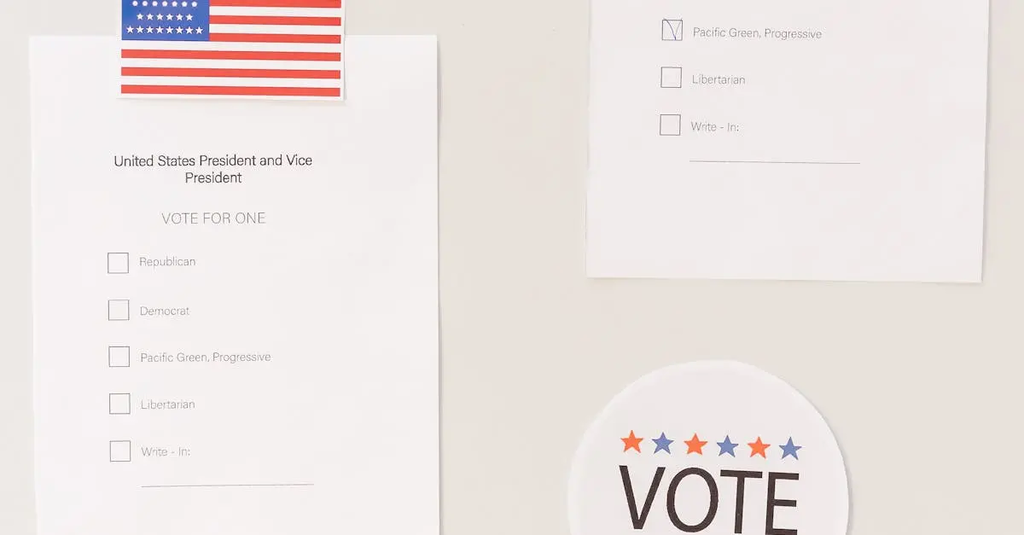
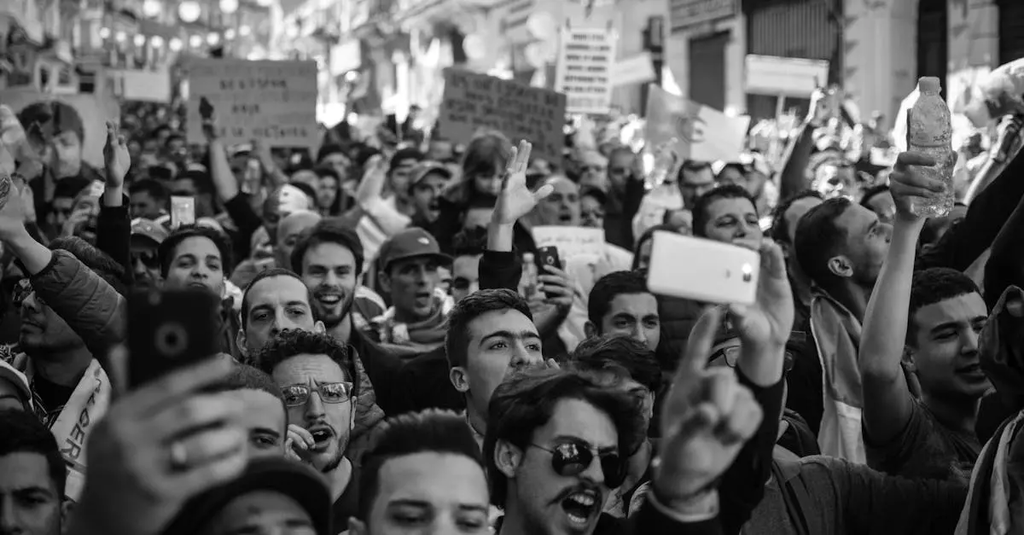
Political culture refers to the shared values, beliefs, and attitudes that shape how a society views politics and government. Socialization is the process through which individuals learn and internalize these political norms, often influenced by family, education, media, and peers. Together, political culture and socialization help form citizens’ political identities and influence their participation, trust in institutions, and overall engagement within the political system.
Political Culture and Socialization
Political culture refers to the shared values, beliefs, and attitudes that shape how a society views politics and government. Socialization is the process through which individuals learn and internalize these political norms, often influenced by family, education, media, and peers. Together, political culture and socialization help form citizens’ political identities and influence their participation, trust in institutions, and overall engagement within the political system.
💡 Key Takeaways
- Define political culture and how shared values shape politics and government expectations.
- Identify major agents of socialization (family, school, media, peers) and their influence on beliefs.
- Explain how norms, symbols, and legitimacy influence political attitudes and participation.
- Describe how political beliefs can change over time due to events, media, and generational shifts.
❓ Frequently Asked Questions
What is political culture?
Political culture is the set of shared values, beliefs, and attitudes about politics and government that shape how people view and engage with politics.
What is political socialization?
Political socialization is the lifelong process by which individuals learn and internalize political norms, values, and expectations through family, education, media, peers, and life experiences.
Who are the main agents of political socialization?
Family, schools and education, media, peer groups, religion, and civic institutions are key agents that transmit political norms across generations.
How do political culture and socialization affect political participation?
They shape how people think about government and what counts as acceptable political action, influencing voting, protest, debate, and other forms of participation.