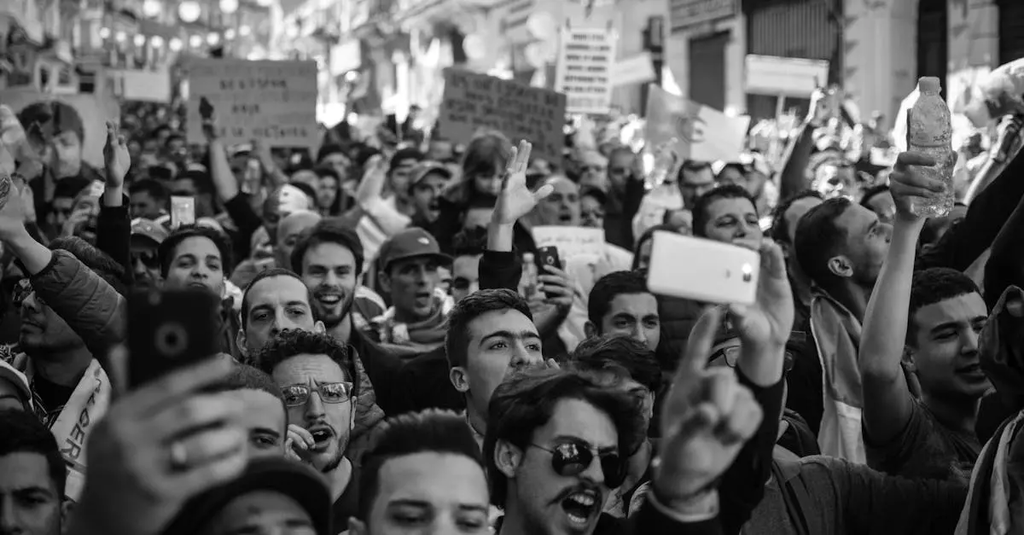
Political movements are organized efforts by groups of people aiming to achieve specific political goals or bring about social or political change. These movements often emerge in response to perceived injustices or societal issues and can operate at local, national, or global levels. They use various methods such as protests, advocacy, lobbying, and public campaigns to influence government policies, raise awareness, and mobilize public support for their causes.
Political Movements+45
Political movements are organized efforts by groups of people aiming to achieve specific political goals or bring about social or political change. These movements often emerge in response to perceived injustices or societal issues and can operate at local, national, or global levels. They use various methods such as protests, advocacy, lobbying, and public campaigns to influence government policies, raise awareness, and mobilize public support for their causes.
💡 Key Takeaways
- Understand what political movements are and their main goal of organized social or political change.
- Learn how movements arise in response to perceived injustices or issues across local, national, and global levels.
- Identify common strategies and tools used by movements, such as protests, advocacy, lobbying, and digital campaigns.
- Evaluate the potential impact and limits of movements on policy, society, and governance.
❓ Frequently Asked Questions
What is a political movement?
A coordinated effort by groups aiming to influence political decisions or social change, often prompted by perceived injustices, and can operate locally, nationally, or globally.
How do political movements differ from political parties?
Movements seek policy change and influence society but do not necessarily nominate candidates or seek formal government control; parties organize to win elections and govern.
What methods do political movements commonly use?
Nonviolent protests, lobbying, advocacy, grassroots organizing, education campaigns, media outreach, and online mobilization.
What factors influence a movement's growth or decline?
Leadership, organizational structure, funding, public support, media coverage, alliances, the broader political climate, and the effectiveness of strategies.