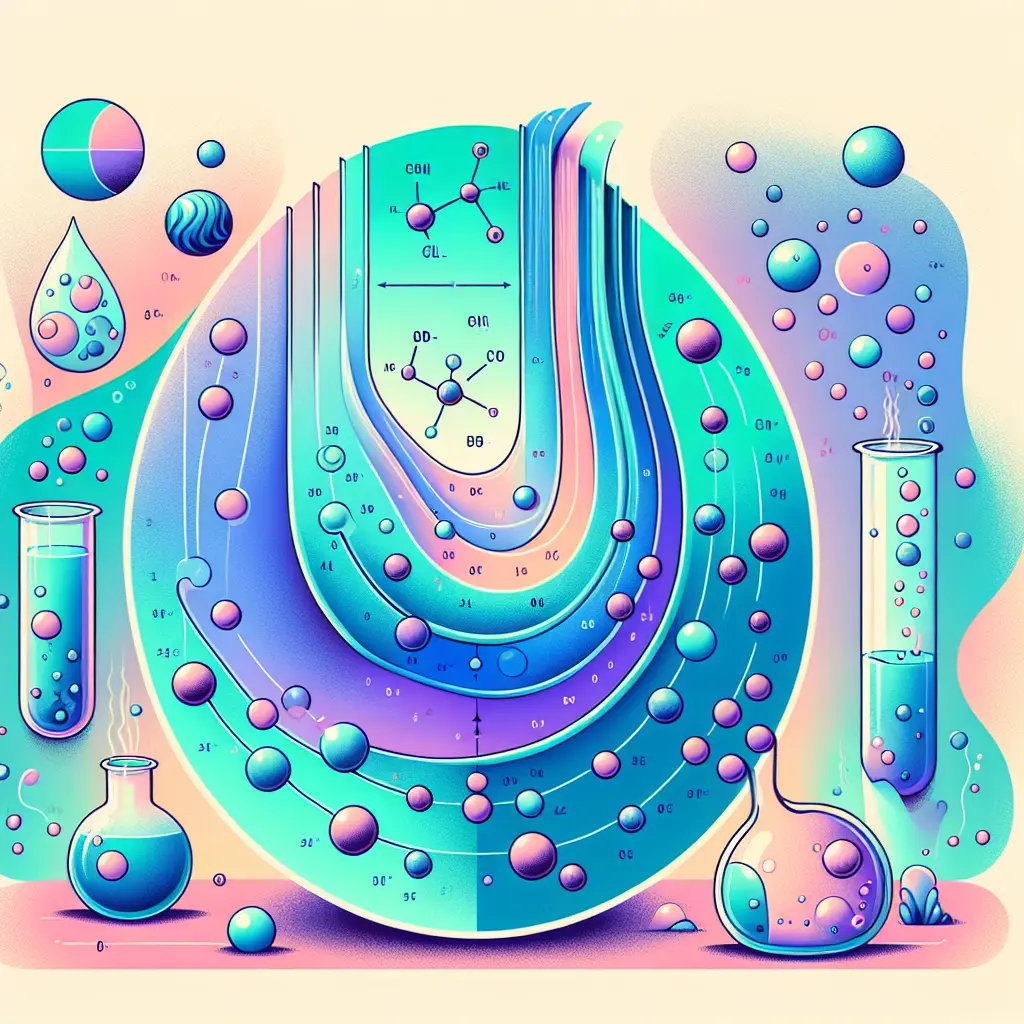
Polymer chemistry is the branch of chemistry focused on the synthesis, structure, and properties of polymers—large molecules made up of repeating subunits called monomers. Macromolecules refer to these giant molecules, which include plastics, rubbers, and natural biopolymers like DNA and proteins. Understanding polymer chemistry is crucial for developing new materials with specific characteristics, impacting industries such as medicine, electronics, and packaging.
Polymer Chemistry & Macromolecules
Polymer chemistry is the branch of chemistry focused on the synthesis, structure, and properties of polymers—large molecules made up of repeating subunits called monomers. Macromolecules refer to these giant molecules, which include plastics, rubbers, and natural biopolymers like DNA and proteins. Understanding polymer chemistry is crucial for developing new materials with specific characteristics, impacting industries such as medicine, electronics, and packaging.
💡 Key Takeaways
- Explain monomers, repeat units, and macromolecules, and how polymerization forms long polymer chains.
- Compare addition vs condensation polymerization with examples (polyethylene, nylon) and note the byproducts involved.
- Describe how polymer structure (molecular weight, branching, tacticity, crosslinking) influences properties like strength, flexibility, and glass transition temperature.
- Identify natural polymers (DNA, proteins, cellulose) and synthetic polymers (plastics, rubbers) and their roles.
❓ Frequently Asked Questions
What is a polymer?
A polymer is a large molecule built from repeating subunits (monomers) linked by covalent bonds, forming long chains such as polyethylene or DNA.
What is polymerization and what are its main types?
Polymerization is the chemical process of forming polymers from monomers. The main types are addition (chain-growth) polymerization and condensation (step-growth) polymerization.
What is a macromolecule, and how do polymers relate to it?
A macromolecule is a very large molecule with high molecular weight. Polymers are a major class of macromolecules, including plastics, rubbers, proteins, and nucleic acids.
What is the difference between natural and synthetic polymers?
Natural polymers occur in living systems (e.g., DNA, proteins, cellulose) and often biodegrade; synthetic polymers are manufactured industrially (e.g., polyethylene, polystyrene) and can be engineered for specific properties.
Which structural features influence polymer properties?
Monomer type, molecular weight, chain architecture (branching and tacticity), cross-linking, and crystallinity all affect stiffness, strength, elasticity, and melting behavior.