Portrait photography basics refer to the fundamental techniques and principles used to capture expressive and flattering images of people. This includes understanding lighting, composition, and camera settings to highlight the subject’s features and personality. Key aspects involve choosing appropriate backgrounds, guiding poses, focusing on the eyes, and using depth of field to separate the subject from the background, ultimately creating visually appealing and impactful portraits.
Portrait Photography Basics
Portrait photography basics refer to the fundamental techniques and principles used to capture expressive and flattering images of people. This includes understanding lighting, composition, and camera settings to highlight the subject’s features and personality. Key aspects involve choosing appropriate backgrounds, guiding poses, focusing on the eyes, and using depth of field to separate the subject from the background, ultimately creating visually appealing and impactful portraits.
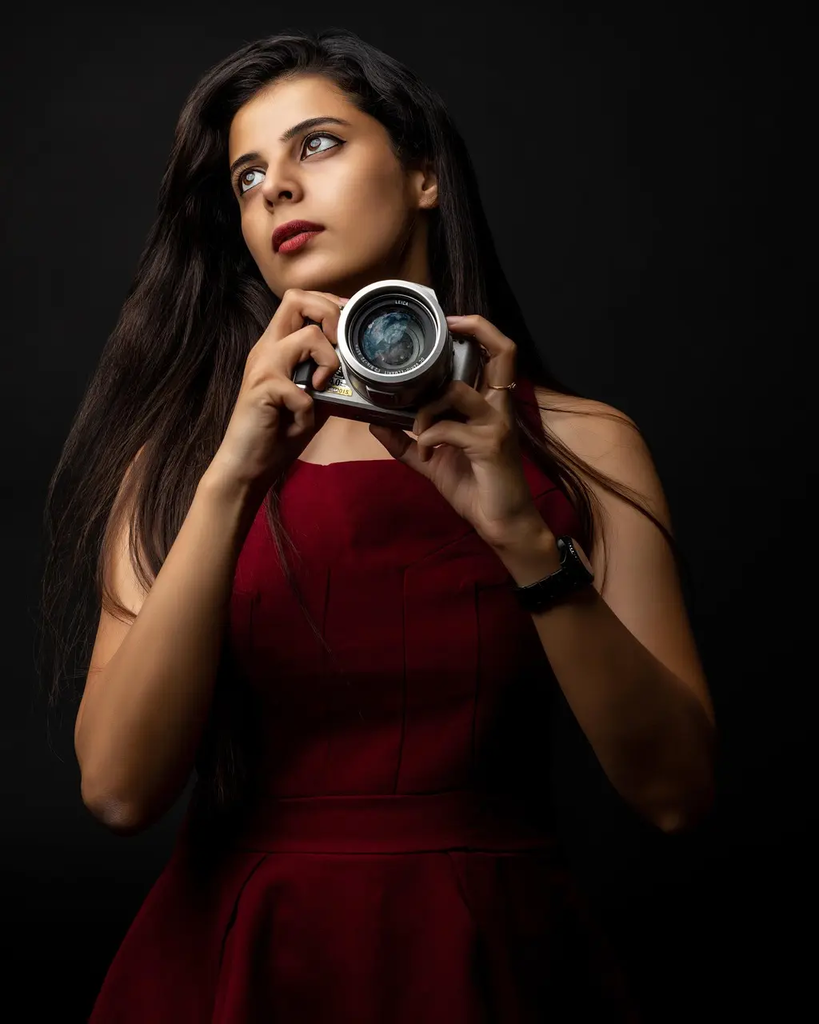
💡 Key Takeaways
- Understand how lighting shapes mood and features, using natural light, reflectors, and modifiers to flatter the subject.
- Learn portrait composition and posing to highlight personality, including framing, headroom, and the rule of thirds.
- Master camera settings for portraits, including aperture for depth of field, shutter speed for sharpness, ISO, and white balance for skin tones.
- Choose the right lens and distance to achieve flattering perspective and pleasing background blur (e.g., 50–85mm).
❓ Frequently Asked Questions
What is the goal of portrait photography?
To capture expressive, flattering images that reveal a person's features and personality by using light, composition, and camera settings.
How does lighting influence portraits?
Lighting shapes features and mood. Use soft, directional light at about 45 degrees to add dimension, and balance shadows with fill or reflectors for natural skin tones.
Which camera settings are most important for portraits?
Aperture controls depth of field (e.g., f/2.8–f/4); longer focal lengths provide flattering perspective; set ISO and shutter speed for proper exposure and sharpness; white balance should render natural skin tones.
How does lens choice affect portrait results?
Longer focal lengths (85–135 mm) offer flattering perspective and better background separation; shorter lenses can distort features or crowd the subject in tight spaces.
How do composition and posing impact portraits?
Compose using the rule of thirds, manage eye line and headroom, separate the subject from the background, and pose to highlight expression and personality.