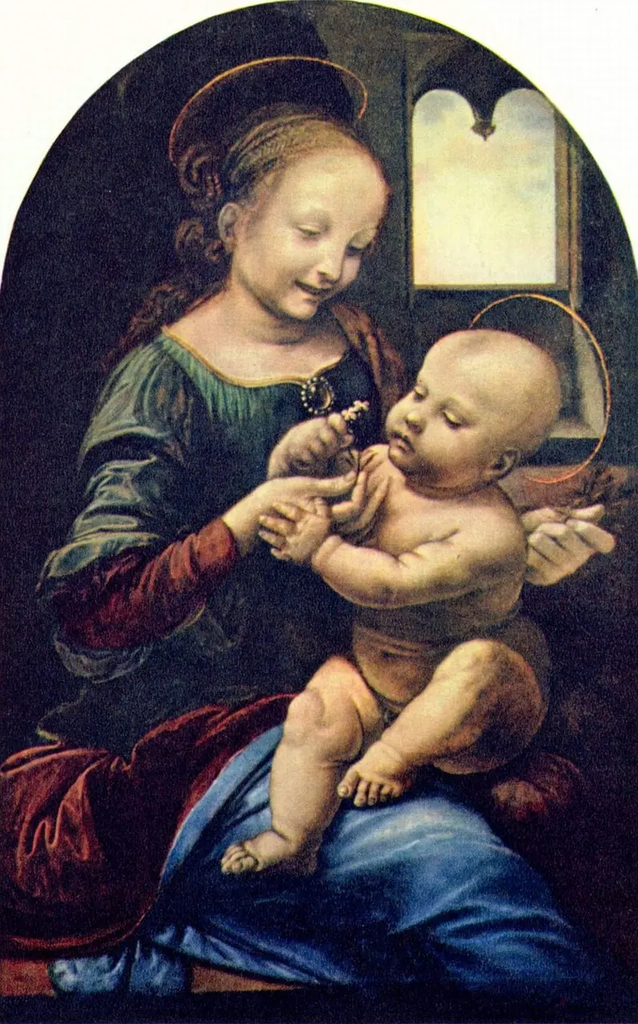
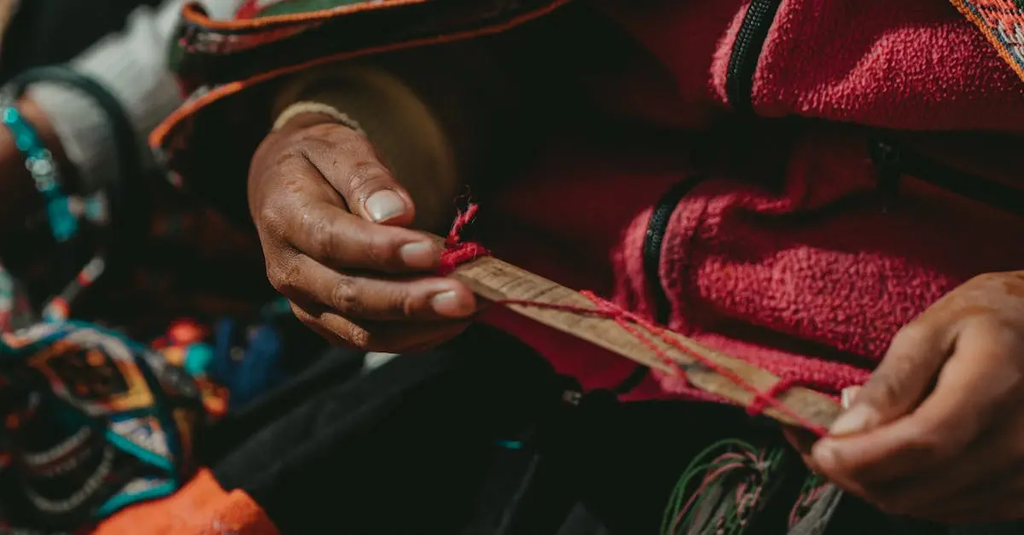
Postcolonial art critique examines how art reflects, challenges, or negotiates the cultural legacies of colonialism. It analyzes representation, identity, power dynamics, and the impact of Western dominance on artistic expression. This critique often highlights marginalized voices, reclaims indigenous narratives, and questions traditional art histories. By doing so, it seeks to deconstruct Eurocentric perspectives and foster a deeper understanding of diverse cultural experiences within contemporary and historical art contexts.
Postcolonial Art Critique
Postcolonial art critique examines how art reflects, challenges, or negotiates the cultural legacies of colonialism. It analyzes representation, identity, power dynamics, and the impact of Western dominance on artistic expression. This critique often highlights marginalized voices, reclaims indigenous narratives, and questions traditional art histories. By doing so, it seeks to deconstruct Eurocentric perspectives and foster a deeper understanding of diverse cultural experiences within contemporary and historical art contexts.
💡 Key Takeaways
- Understand how colonial histories shape representations and iconography in art.
- Identify power dynamics in art creation, exhibition, and canon formation.
- Explore how artists reclaim marginalized and Indigenous voices in postcolonial contexts.
- Compare regional responses to colonization and how postcolonial critique reframes art narratives.
❓ Frequently Asked Questions
What is postcolonial art critique?
A field that analyzes how art reflects, challenges, or negotiates the legacies of colonialism, focusing on representation, identity, and power.
How does representation operate in postcolonial art critique?
It examines who is depicted, whose voices are centered or silenced, and how dominant narratives are challenged.
Why emphasize marginalized or indigenous voices?
To reclaim histories, affirm identities, and counter Western-centered frames that have long shaped artistic expression.
What role do power dynamics play in this critique?
They reveal who controls artistic production, institutions, and canon formation, shaping meaning and access.
What are common methods used in postcolonial art critique?
Decolonizing curatorial practices, foregrounding non-Western aesthetics, and embracing transnational or diasporic perspectives.