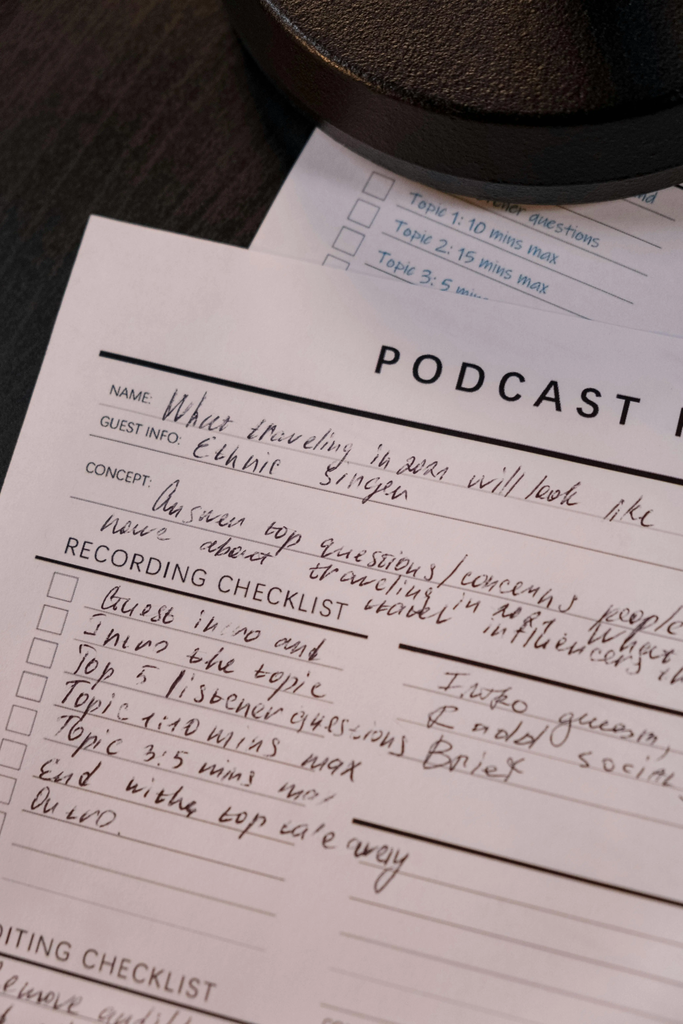
Posters and lightning talks are two popular formats for sharing research or ideas at conferences and academic events. Posters visually present key findings or concepts on large displays, allowing for interactive discussions with attendees. Lightning talks are brief, focused presentations, typically lasting a few minutes, where speakers quickly convey the main points of their work to an audience. Both formats encourage concise communication and facilitate networking and knowledge exchange among participants.
Posters & Lightning Talks
Posters and lightning talks are two popular formats for sharing research or ideas at conferences and academic events. Posters visually present key findings or concepts on large displays, allowing for interactive discussions with attendees. Lightning talks are brief, focused presentations, typically lasting a few minutes, where speakers quickly convey the main points of their work to an audience. Both formats encourage concise communication and facilitate networking and knowledge exchange among participants.

💡 Key Takeaways
- Identify essential elements of an effective conference poster (clear visuals, concise text, and a strong takeaway) to spark interactive discussions.
- Explain how to structure a brief, focused lightning talk to convey the core idea within a short time.
- Differentiate content and design strategies for posters versus lightning talks to match audience needs.
- Develop tactics for engaging attendees during poster sessions, including questions, demonstrations, and concise handouts.
❓ Frequently Asked Questions
What is a conference poster?
A conference poster is a large visual display that summarizes your research or ideas. It typically includes a title, authors, and concise sections (introduction, methods, results, conclusions) and uses visuals to highlight key findings, inviting attendees to start discussions.
What is a lightning talk?
A lightning talk is a very short, focused presentation (often around 5 minutes) used to briefly summarize a project or idea and spark further discussion with the audience.
How should I design an effective poster?
Use a clear layout with a readable title, logical flow, and minimal text. Emphasize visuals (figures, charts), ensure good color contrast, keep sections consistent, and prepare brief talking points to guide conversations.
How can I prepare a successful lightning talk?
Define one core message, outline 2–3 supporting points, and keep slides simple. Practice timing to stay near the limit, speak clearly, and end with a takeaway or invitation for further discussion.