Power, solar, and battery systems refer to integrated solutions that generate, store, and supply electricity. Solar panels capture sunlight and convert it into electricity, while batteries store excess energy for later use. These systems ensure a reliable power supply, especially in areas with unstable grids or off-grid locations. They promote energy independence, reduce reliance on fossil fuels, and support sustainable, environmentally friendly energy consumption for homes, businesses, and communities.
Power, Solar, and Battery Systems
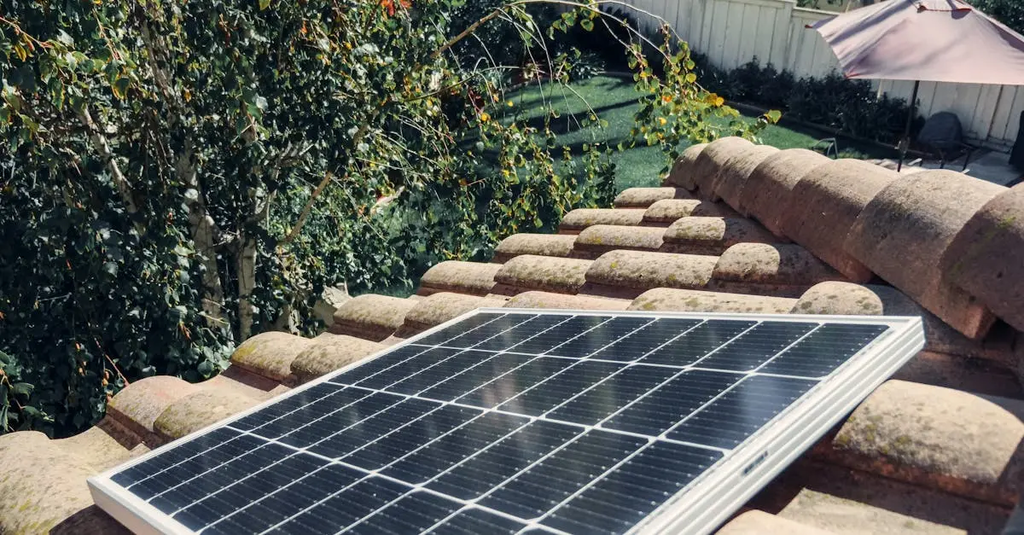
Power, solar, and battery systems refer to integrated solutions that generate, store, and supply electricity. Solar panels capture sunlight and convert it into electricity, while batteries store excess energy for later use. These systems ensure a reliable power supply, especially in areas with unstable grids or off-grid locations. They promote energy independence, reduce reliance on fossil fuels, and support sustainable, environmentally friendly energy consumption for homes, businesses, and communities.
💡 Key Takeaways
- Understand how solar panels convert sunlight into electricity for off-grid use.
- Learn how batteries store energy for when sun isn’t available.
- See how the main parts (panels, batteries, and power electronics) work together to keep devices powered in remote or extreme settings.
- Get basic safety and maintenance tips to keep solar–battery systems reliable in adventurous environments.
❓ Frequently Asked Questions
What are the core components of a power, solar, and battery system for adventure activities?
Key parts include solar panels to generate electricity, a battery bank to store it, and a charger/controller plus an inverter to deliver usable power to devices.
How do solar panels power devices during outdoor adventures?
Sunlight is converted into electrical energy by the panels; the charge controller directs charging to the batteries, and an inverter converts stored DC into usable AC power when needed.
Why are batteries essential in remote or extreme environments?
Batteries store energy for times when the sun isn’t available (night, shade, cloudy days), ensuring you can power critical equipment and stay connected.
What should you consider when sizing a system for a trip?
Estimate daily energy use, desired days of autonomy, expected sun exposure, battery capacity and type, inverter size, and the system’s weight and durability for the terrain.