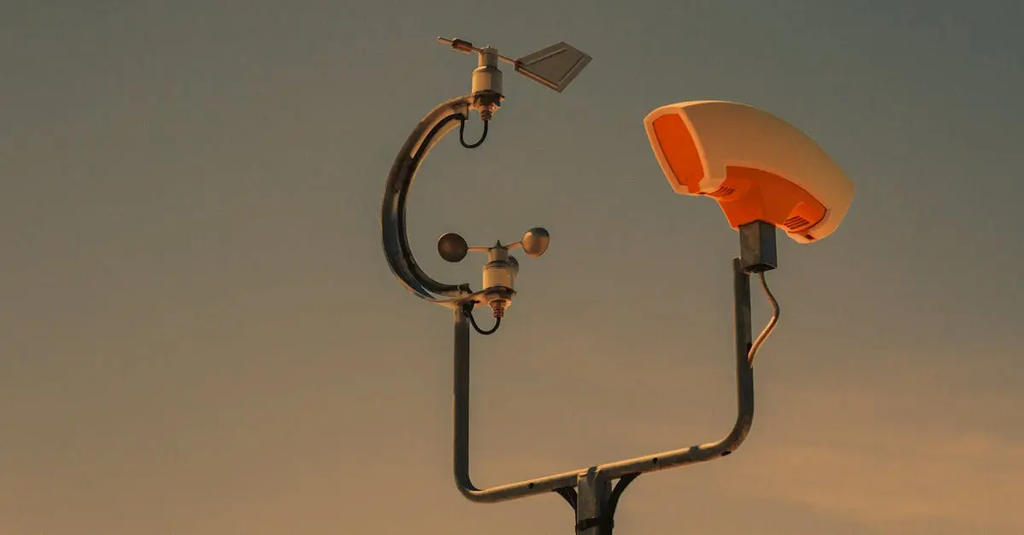
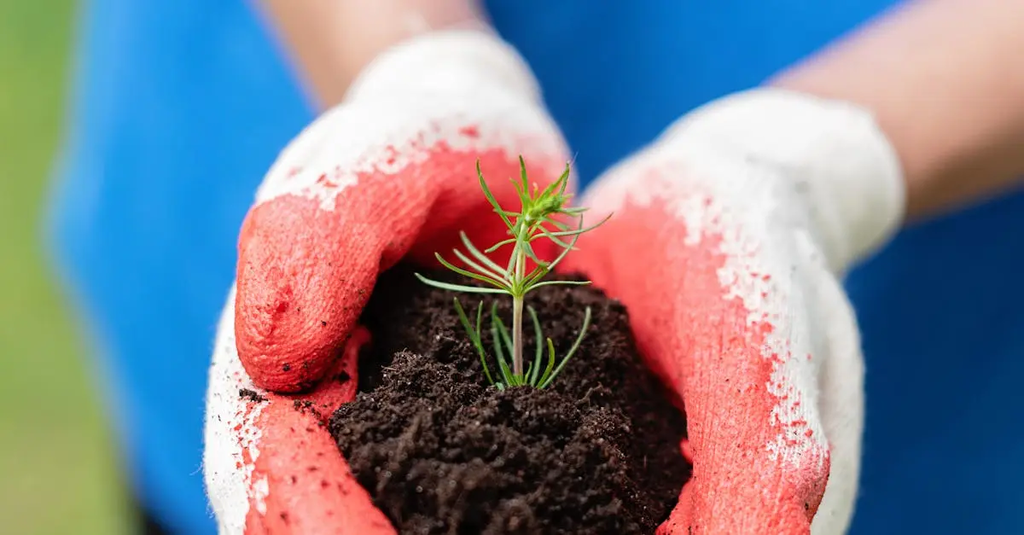
Precision Agriculture and AgTech refer to the use of advanced technologies, such as GPS, sensors, drones, and data analytics, to optimize farming practices. These innovations enable farmers to monitor crops, manage resources efficiently, and make data-driven decisions. The goal is to increase yields, reduce waste, and minimize environmental impact by applying inputs like water, fertilizers, and pesticides more accurately and only where needed.
Precision Agriculture and AgTech
Precision Agriculture and AgTech refer to the use of advanced technologies, such as GPS, sensors, drones, and data analytics, to optimize farming practices. These innovations enable farmers to monitor crops, manage resources efficiently, and make data-driven decisions. The goal is to increase yields, reduce waste, and minimize environmental impact by applying inputs like water, fertilizers, and pesticides more accurately and only where needed.
💡 Key Takeaways
- Understand how GPS, sensors, and drones collect field data to monitor crops and soil conditions.
- Learn how data analytics translate sensor and imagery data into actionable decisions that optimize water, fertilizer, and pesticide use.
- Explore how precision agriculture reduces resource waste and environmental impact while aiming to boost yields.
- Recognize how real-time monitoring and targeted interventions enable sustainable farming and environmental stewardship.
❓ Frequently Asked Questions
What is precision agriculture?
An approach that uses GPS, sensors, drones, and data analytics to monitor fields and apply inputs only where needed, boosting yields and resource efficiency.
Which technologies are commonly used in AgTech?
GPS for mapping and guidance; soil and crop sensors; drones and imagery; and data analytics/AI to interpret data and guide decisions.
How do GPS and variable-rate technology help farmers?
GPS provides precise field positioning; variable-rate technology adjusts inputs (water, fertilizer, pesticides) across zones to match crop needs and reduce waste.
How do sensors and drones aid crop monitoring?
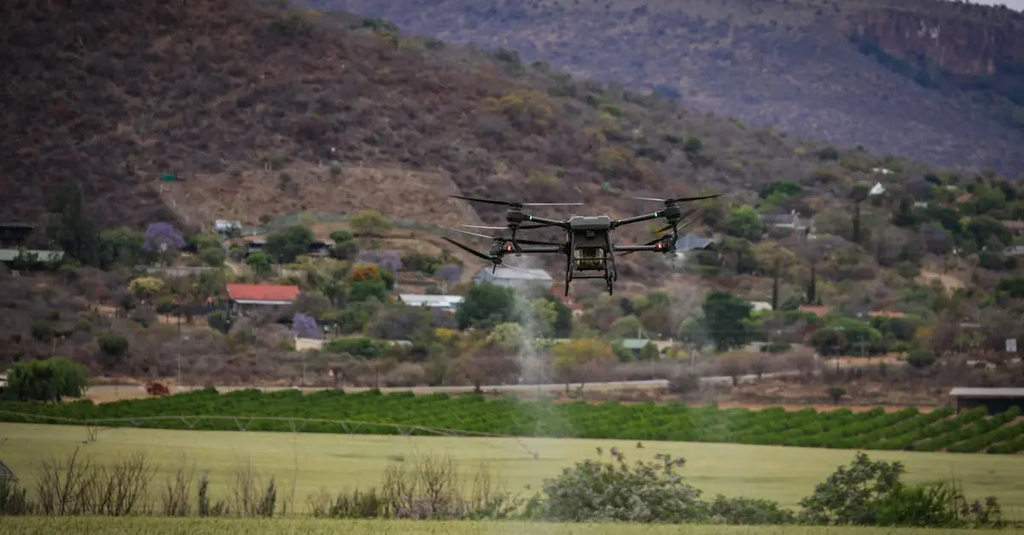
Sensors monitor soil moisture and crop health; drones capture high-resolution images to detect stress, pests, or nutrient issues for timely action.