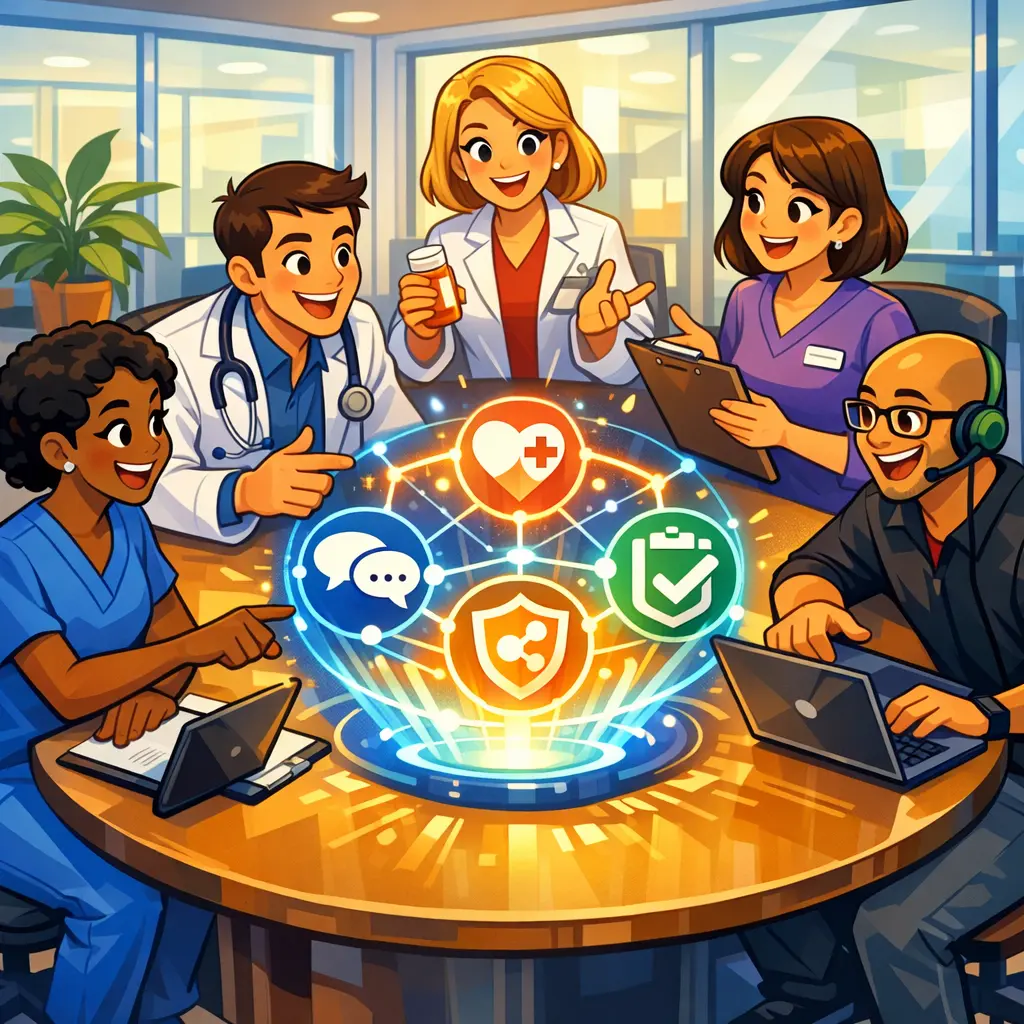
Precision Medicine Implementation Roles in healthcare and medicine involve professionals who integrate personalized approaches into patient care. These roles include genetic counselors, bioinformaticians, clinical pharmacists, data analysts, and physicians specializing in genomics. They collaborate to interpret genetic data, tailor treatments, and ensure therapies align with individual patient profiles. Their work enhances treatment effectiveness, minimizes side effects, and advances the adoption of innovative, data-driven healthcare solutions for improved patient outcomes.
Precision Medicine Implementation Roles
Precision Medicine Implementation Roles in healthcare and medicine involve professionals who integrate personalized approaches into patient care. These roles include genetic counselors, bioinformaticians, clinical pharmacists, data analysts, and physicians specializing in genomics. They collaborate to interpret genetic data, tailor treatments, and ensure therapies align with individual patient profiles. Their work enhances treatment effectiveness, minimizes side effects, and advances the adoption of innovative, data-driven healthcare solutions for improved patient outcomes.

💡 Key Takeaways
- Identify the key roles in precision medicine (genetic counselors, bioinformaticians, clinical pharmacists, data analysts, and genomics-focused physicians) and their core responsibilities.
- Explain how these professionals collaborate to tailor patient care using genomic and clinical data.
- Outline typical workflows in precision medicine from data generation and analysis to treatment decisions.
- Recognize ethical, privacy, and data governance considerations when handling genomic information in healthcare.
❓ Frequently Asked Questions
What is precision medicine implementation in healthcare?
It is using a patient’s genetic, environmental, and lifestyle information to tailor diagnosis, treatment, and prevention, guided by genomic data and clinical decision support.
Which roles are commonly involved in implementing precision medicine?
Genetic counselors, bioinformaticians, clinical pharmacists, data analysts, and physicians specializing in genomics work together to interpret data and apply it to patient care.
What does a genetic counselor contribute in precision medicine?
They assess hereditary risk, explain test results and options, support informed decisions, and coordinate care with patients and families.
How do bioinformaticians and data analysts support precision medicine?
Bioinformaticians analyze and interpret genomic data, while data analysts manage clinical data and extract insights to inform care decisions and outcomes.
How do physicians specializing in genomics collaborate with other roles?
They lead genomic-based care, integrate results into treatment plans, and coordinate with genetic counselors, pharmacists, and data teams to optimize patient care.