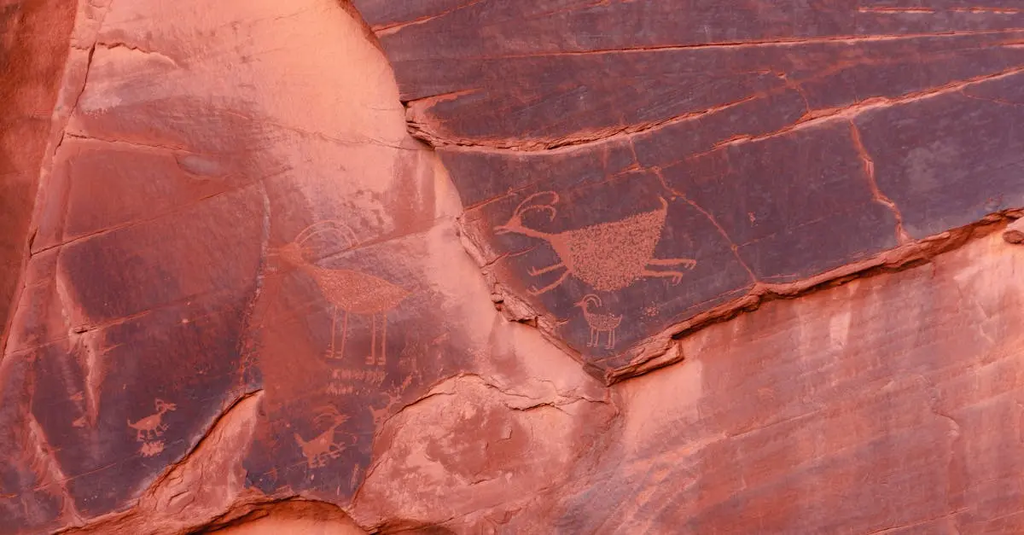
Prehistoric and Ancient Art refers to the visual creations made by early humans and ancient civilizations before the Middle Ages. This includes cave paintings, carvings, sculptures, pottery, and architecture from periods such as the Stone Age, Mesopotamia, Egypt, Greece, and Rome. These artworks served religious, ceremonial, and functional purposes, offering insight into the beliefs, daily life, and technological advancements of early societies, and laying the foundation for later artistic developments.
Prehistoric and Ancient Art
Prehistoric and Ancient Art refers to the visual creations made by early humans and ancient civilizations before the Middle Ages. This includes cave paintings, carvings, sculptures, pottery, and architecture from periods such as the Stone Age, Mesopotamia, Egypt, Greece, and Rome. These artworks served religious, ceremonial, and functional purposes, offering insight into the beliefs, daily life, and technological advancements of early societies, and laying the foundation for later artistic developments.
💡 Key Takeaways
- Identify major forms of prehistoric and ancient art (cave paintings, carvings, sculpture, pottery, architecture) and the cultures they come from (Stone Age, Mesopotamia, Egypt, Greece, Rome).
- Describe how artists used available materials and techniques (pigments, clay, stone; carving, relief, pottery decoration) to convey meaning.
- Explain how art reflected beliefs, daily life, power, and ritual in these societies.
- Compare stylistic trends and purposes across civilizations (Egyptian monumental architecture and afterlife beliefs; Mesopotamian reliefs and king lists; Greek ideal sculpture; Roman realism and public works).
❓ Frequently Asked Questions
What is prehistoric art and what are its common forms?
Art created before written history; common forms include cave paintings, petroglyphs, figurative carvings, pottery decoration, and early sculpture.
What materials and techniques were used in Stone Age cave paintings and early sculpture?
Natural pigments (red/yellow ochre, charcoal), binders or saliva, brushes or fingers; tools for engraving or carving; materials like stone, bone, and clay.
What are notable features of Mesopotamian art and its purposes?
Narrative reliefs and temple art; monumental architecture (ziggurats); cylinder seals; themes of kingship, gods, and administration; stylized figures and iconography.
What are defining characteristics of ancient Egyptian art?
Canonical proportions, frontal figures, use of registers, symbolic motifs; primarily religious and funerary in function; architecture includes pyramids and temples.
How did Greek and Roman art influence each other and differ in sculpture and architecture?
Greek sculpture prized naturalism and idealized form (often with contrapposto); architecture featured orders (Doric, Ionic, Corinthian). Romans adopted Greek styles but emphasized realism in portraiture and engineered feats like arches, vaults, and concrete buildings.