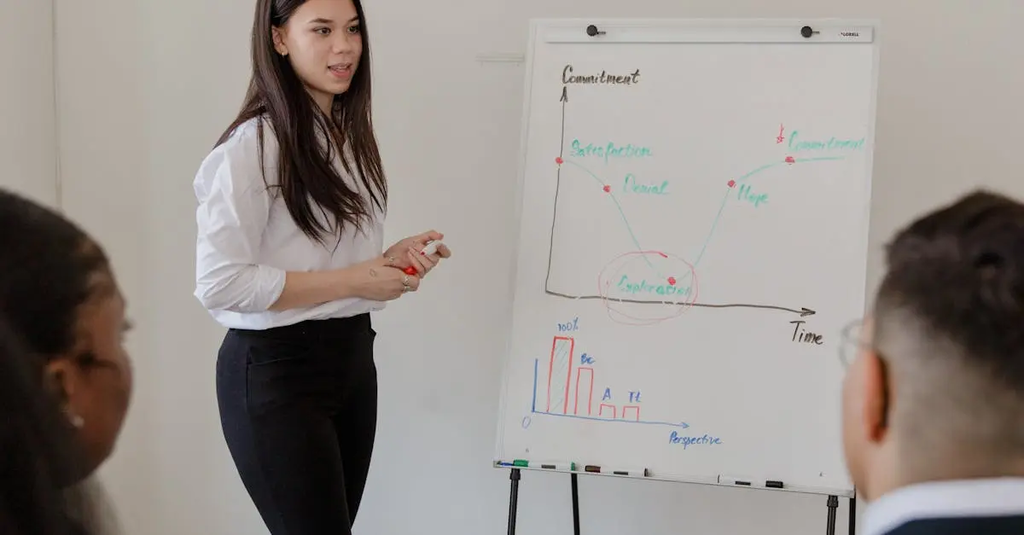
Presentation planning and outlining involve organizing ideas and structuring content before delivering a presentation. This process includes identifying the main purpose, analyzing the audience, and determining key points to cover. Outlining helps in logically arranging the introduction, body, and conclusion, ensuring a smooth flow of information. Effective planning and outlining enhance clarity, keep the speaker focused, and make it easier for the audience to follow and retain the presented information.
Presentation Planning and Outlining
Presentation planning and outlining involve organizing ideas and structuring content before delivering a presentation. This process includes identifying the main purpose, analyzing the audience, and determining key points to cover. Outlining helps in logically arranging the introduction, body, and conclusion, ensuring a smooth flow of information. Effective planning and outlining enhance clarity, keep the speaker focused, and make it easier for the audience to follow and retain the presented information.

💡 Key Takeaways
- Identify the presentation’s main purpose and align content to achieve it.
- Analyze the audience to tailor language, examples, and pacing.
- Create a clear outline with an engaging introduction, organized body, and concise conclusion.
- Select and sequence key points to ensure a logical flow and effective transitions.
❓ Frequently Asked Questions
What is the purpose of presentation planning and outlining?
To clarify the goal, shape the content, and set a logical structure (introduction, body, conclusion) before speaking.
Why is audience analysis important in outlining?
It helps tailor language, examples, and tone to the listeners’ needs, increasing engagement and comprehension.
What are the main parts of a presentation outline?
Introduction (hook, thesis), Body (main points with details), Conclusion (summary and call to action), plus transitions.
How does outlining improve delivery?
It organizes ideas in a logical order, guides transitions, manages time, and keeps you focused on the main purpose.
How do you identify the main purpose and key points?
Decide if you aim to inform, persuade, or entertain; then select 2–5 core points that support the goal and organize your outline around them.