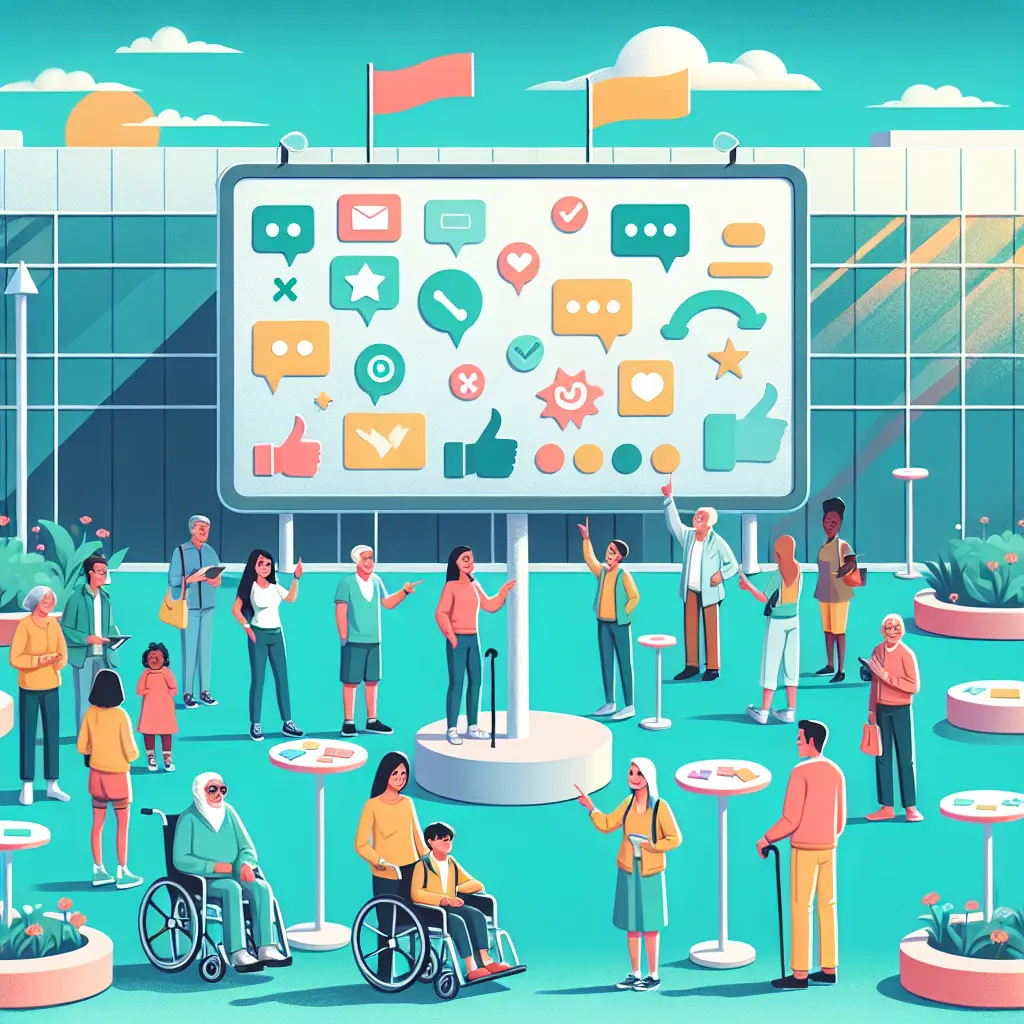
Program Design & Implementation refers to the systematic process of planning, developing, and executing a structured set of activities or interventions aimed at achieving specific objectives. It involves identifying needs, setting goals, creating detailed plans, allocating resources, and putting the plan into action. Effective program design ensures that the implementation phase runs smoothly, aligns with intended outcomes, and allows for ongoing evaluation and improvement to maximize impact.
Program Design & Implementation
Program Design & Implementation refers to the systematic process of planning, developing, and executing a structured set of activities or interventions aimed at achieving specific objectives. It involves identifying needs, setting goals, creating detailed plans, allocating resources, and putting the plan into action. Effective program design ensures that the implementation phase runs smoothly, aligns with intended outcomes, and allows for ongoing evaluation and improvement to maximize impact.
💡 Key Takeaways
- Identify legal and governmental needs and translate them into clear program goals and outcomes.
- Develop detailed implementation plans with activities, timelines, responsibilities, and governance structures.
- Allocate resources—budgets, personnel, and technology—while ensuring compliance with laws and policies.
- Implement robust monitoring, evaluation, and accountability mechanisms to track progress and measure impact.
❓ Frequently Asked Questions
What is program design in a government context?
The systematic process of identifying needs, setting goals, and planning interventions to achieve policy objectives, including creating detailed plans and allocating resources while complying with applicable laws.
What are the key steps in the program design and implementation lifecycle?
Identify needs, define objectives, design activities, allocate resources and timelines, implement steps, monitor progress, and evaluate results.
What is a logic model and why is it used?
A visual framework showing how inputs and activities produce outputs, outcomes, and impacts, helping planners connect activities to objectives and guide evaluation.
How is accountability and transparency ensured in government programs?
Through documented decisions, transparent reporting, resource tracking, performance metrics, and independent evaluations or audits.