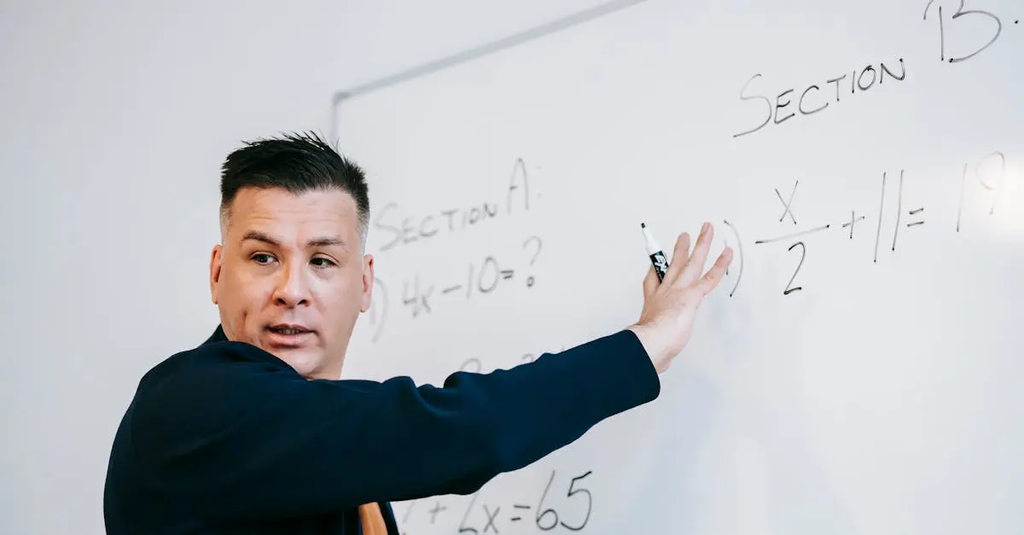
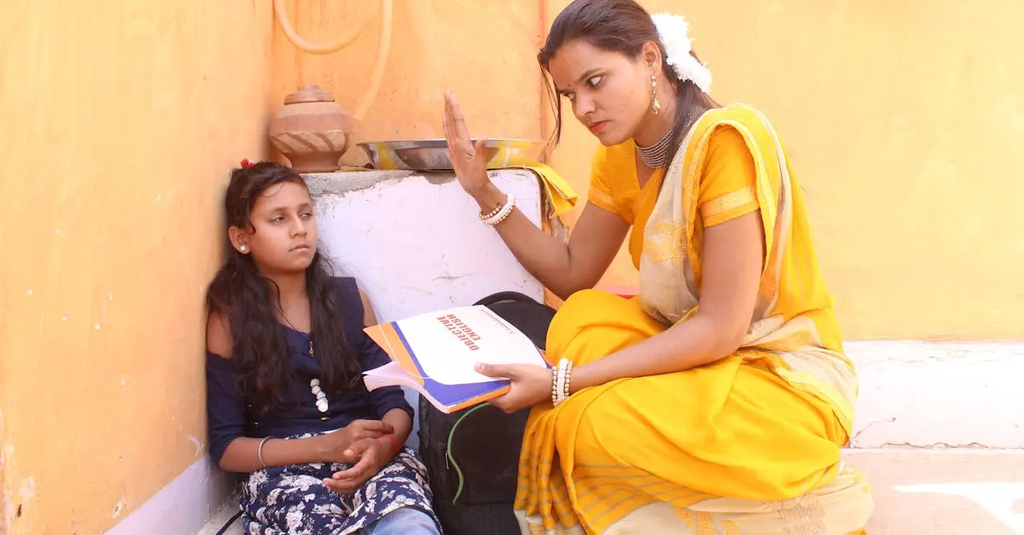
Project-Based Learning Design is an educational approach where students actively explore real-world problems and challenges through structured projects. This method emphasizes collaboration, critical thinking, and problem-solving, allowing learners to gain deeper knowledge by working on meaningful tasks. Teachers facilitate learning by guiding students through inquiry, research, and creation, resulting in a final product or presentation that demonstrates understanding and mastery of the subject matter.
Project-Based Learning Design
Project-Based Learning Design is an educational approach where students actively explore real-world problems and challenges through structured projects. This method emphasizes collaboration, critical thinking, and problem-solving, allowing learners to gain deeper knowledge by working on meaningful tasks. Teachers facilitate learning by guiding students through inquiry, research, and creation, resulting in a final product or presentation that demonstrates understanding and mastery of the subject matter.
💡 Key Takeaways
- Identify the core principles of project-based learning and how it differs from traditional teaching.
- Plan and implement PBL units that address real-world problems through structured projects.
- Foster collaboration, communication, and peer feedback to enhance teamwork.
- Assess learning with performance tasks, rubrics, and reflection to measure deeper understanding.
❓ Frequently Asked Questions
What is Project-Based Learning (PBL)?
An instructional approach where students explore real-world problems through extended, student-driven projects, using inquiry, collaboration, and reflection to produce a tangible outcome.
What are the core features of PBL?
A driving real-world question, sustained inquiry, student voice and choice, collaboration, feedback and revision, and a public final artifact.
How does PBL differ from traditional teaching?
PBL emphasizes inquiry and hands-on problem solving over isolated facts, with students working in teams over time to create a product, assessed through performance tasks rather than exams alone.
What roles do collaboration and critical thinking play in PBL?
Collaboration brings diverse perspectives; critical thinking analyzes problems, evaluates evidence, and helps design and refine solutions through iteration.
How is learning assessed in PBL?
Through authentic performance tasks, rubrics, peer/teacher feedback, public presentations, and self-reflection to measure understanding and growth.