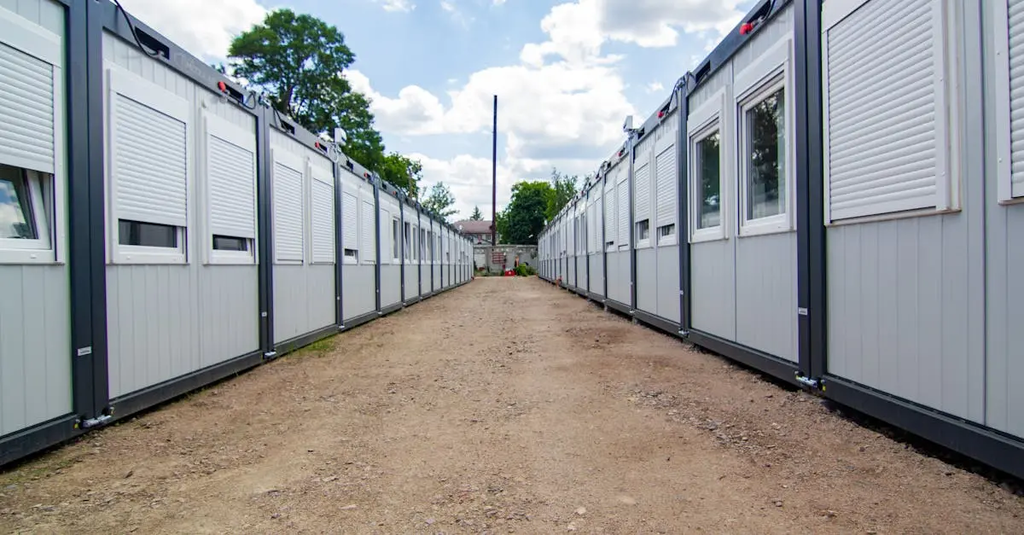
Project Lifecycle and Cost Management in a construction design project involves planning, executing, monitoring, and closing project phases while effectively controlling costs. It begins with concept development, progresses through design, procurement, and construction, and concludes with project handover. Throughout each phase, cost estimation, budgeting, and financial monitoring are essential to ensure the project remains within budget, meets quality standards, and achieves timely delivery, minimizing financial risks and maximizing value for stakeholders.
Project Lifecycle and Cost Management+50
Project Lifecycle and Cost Management in a construction design project involves planning, executing, monitoring, and closing project phases while effectively controlling costs. It begins with concept development, progresses through design, procurement, and construction, and concludes with project handover. Throughout each phase, cost estimation, budgeting, and financial monitoring are essential to ensure the project remains within budget, meets quality standards, and achieves timely delivery, minimizing financial risks and maximizing value for stakeholders.
💡 Key Takeaways
- Understand the stages of the construction project lifecycle from concept development to handover.
- Learn how to plan, forecast, and control costs across design, procurement, and construction.
- Explore how design decisions influence cost, value engineering, and risk-aware budgeting.
- Develop skills in monitoring progress and handling changes using earned value management and formal change control for successful handover.
❓ Frequently Asked Questions
What is the project lifecycle in a construction design project?
It is the sequence from concept development through design, procurement, construction, to closeout and handover.
What does cost management involve in this project?
It includes planning, estimating, budgeting, monitoring, and controlling costs to keep the project within the approved budget.
How do design and procurement choices impact costs?
Early design decisions affect material and labor costs; procurement aims for favorable pricing and timely delivery; changes can increase or decrease overall costs.
What tools help monitor and control costs during construction?
Cost baselines, earned value management (EVM), change control processes, regular cost reporting, and cost forecasting.